What to Expect in Hemu Village
Hemu Village is best known for its wooden houses, birch forests, morning fog, and mountain valley landscapes in the Altay Mountains.
Unlike standard city-based sightseeing destinations, visiting Hemu involves long travel distances, shuttle systems, and weather-dependent scenery conditions.
This destination is a better fit for travelers who enjoy photography, slower-paced travel, mountain landscapes, and overnight stays rather than fast sightseeing routes.
The atmosphere changes significantly depending on season and weather.
Autumn focuses on golden birch forests and stable morning fog
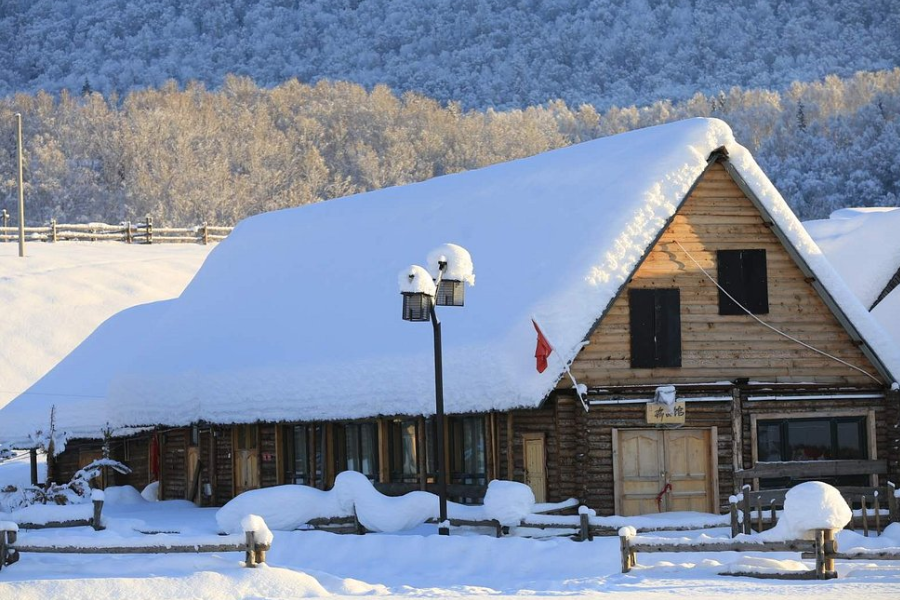
Winter offers snow-covered cabins and quieter surroundings
Summer provides greener landscapes and more comfortable hiking conditions
Many travelers underestimate how remote Hemu is.
Reaching the village usually requires mountain road transfers, scenic area shuttle buses, and additional walking between viewpoints and accommodations.
The experience is often more about atmosphere than activities.
Most visitors come for:
Sunrise photography
Forest and river scenery
Traditional Tuva wooden houses
Slow walking routes
Snow landscapes during winter
Some travelers feel the village has become increasingly commercialized during peak autumn season.
Staying at least one night generally creates a more balanced experience than visiting as a short stop from Kanas.
Best Time to Visit Hemu Village
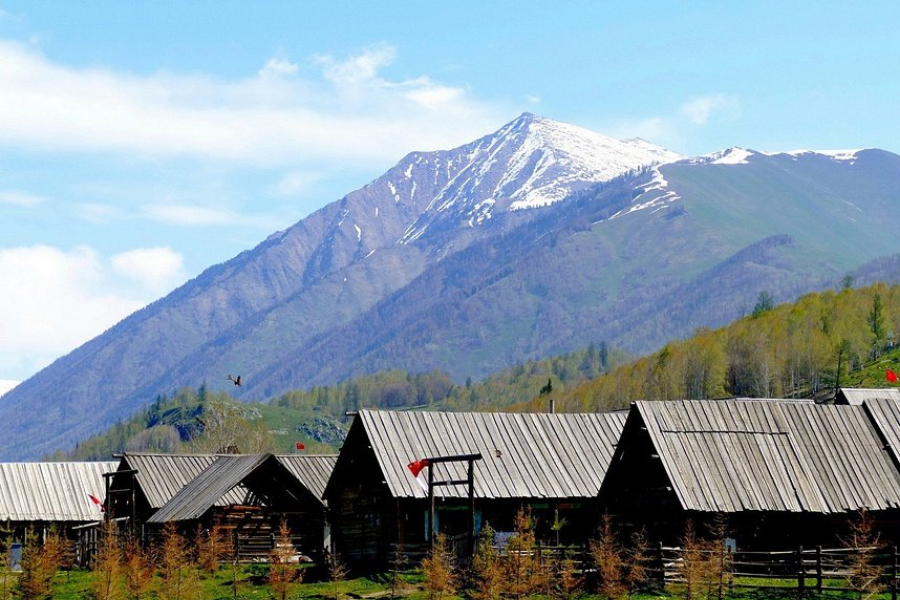
The best time to visit Hemu Village is from mid-September to early October.
This period offers the most stable autumn colors, clearer sunrise conditions, and the strongest photography atmosphere.
Seasonal differences are significant:
Mid-September to early October – golden birch forests, stable morning fog, busiest photography season
June to August – green forests, milder temperatures, easier hiking conditions
December to February – snow-covered cabins, winter landscapes, fewer visitors, limited services
Spring – quieter conditions, but scenery may feel less visually dramatic compared with autumn
Clear weather strongly affects visibility in Hemu.
Clouds, fog, or snowfall can completely change mountain and village views within a short period.
Sunrise and sunset usually provide the best lighting conditions.
We recommend staying overnight if photography is important to your trip.
Visitor numbers increase sharply during autumn weekends and national holidays.
Popular sunrise viewpoints can become crowded before sunrise, especially near the viewing platform area.
Winter is significantly quieter, although transportation and accommodation options may become more limited.
Temperatures can vary greatly between daytime and nighttime.
Even during summer, evenings are often cold due to the mountain environment.
Recommended Itineraries in Hemu Village
Classic Route (2 Days)
This route usually follows Burqin → Kanas → Hemu Village.
It covers the main Altay landscape highlights, including forests, rivers, wooden villages, and mountain scenery.
We recommend this option for first-time Xinjiang visitors or travelers with limited time.
The pace is relatively balanced, although travel days can still feel long.
Typical highlights include:
Hemu Viewing Platform sunrise
Hemu Bridge
Birch forest walking routes
Evening village atmosphere
Scenic shuttle road through the Kanas region
Staying one night in Hemu allows visitors to experience both evening and early morning conditions.
This is important because lighting changes significantly throughout the day.
Extended Route (4–6 Days)
This route builds on the classic version and expands deeper into the Altay region.
Common combinations include:
Kanas Lake
Hemu Village
Baihaba Village
Burqin
Altay City
This option is better suited for photography-focused travelers or visitors who prefer slower travel rhythms.
The longer schedule reduces time pressure and allows more flexibility for weather changes.
This route works particularly well during autumn and winter when scenery conditions depend heavily on visibility and lighting.
Custom Route Option
Routes in the Altay region are highly flexible and often adjusted based on weather, road conditions, and accommodation availability.
Common route combinations include:
Kanas + Hemu
Hemu + Baihaba
Northern Xinjiang loop itineraries
Photography-focused sunrise routes
Travel times between destinations are longer than many visitors expect.
A custom itinerary can help reduce unnecessary transfers and avoid inefficient backtracking between mountain scenic areas.
This becomes especially useful during peak autumn season when shuttle systems and hotel availability become more complicated.
How to Get to and Around Hemu Village
Most travelers reach Hemu through Burqin County or the Kanas scenic area.
Common entry routes include:
Burqin → Hemu Village
Kanas Lake → Hemu Village
Baihaba → Hemu Village
Independent driving inside the scenic area is usually restricted during peak season.
Most visitors must transfer to scenic shuttle buses before entering Hemu.
Transportation can become complicated for first-time visitors because:
Distances are long
Shuttle schedules vary seasonally
Queues increase during peak periods
Internal transportation may stop relatively early in the evening
Some viewpoints also require uphill walking or stair climbing.
The Hemu Viewing Platform involves moderate uphill walking, especially before sunrise.
Transportation choices generally include:
| Option | Advantages | Limitations |
|---|---|---|
| Scenic shuttle buses | Lower cost | Less flexible, queues during peak season |
| Self-drive outside scenic area | More route freedom | Transfers still required |
| Private car or guided route | Easier coordination | Higher overall cost |
We recommend planning additional buffer time between destinations.
Travel delays are common in Northern Xinjiang mountain routes.
Where to Stay in Hemu Village
Most accommodations in Hemu Village are wooden cabin guesthouses, boutique lodges, or traditional-style inns.
Popular accommodation areas include:
Near Hemu Bridge
Near the viewing platform walking route
Central village area
Staying close to the viewing platform can reduce early morning walking time for sunrise photography.
However, accommodation quality varies significantly between properties.
Travelers should not expect luxury-level infrastructure in most traditional wooden lodges.
Common issues may include:
Limited heating quality
Unstable power supply
Smaller room sizes
Limited sound insulation
No air conditioning during summer
Checking heating conditions is particularly important during autumn and winter stays.
Prices increase significantly during:
Late September
National holidays
Peak autumn photography season
We recommend booking accommodations early if visiting during autumn.
Practical Travel Tips
Stay at least one or two nights for a less rushed experience
Wake up early for sunrise and morning fog conditions
Bring layered clothing due to rapid temperature changes
Wear proper walking shoes for stairs, mud, and uneven paths
Prepare for cooler nights even during summer
Expect long travel times between Altay destinations
Check accommodation heating conditions before arrival
Allow flexible time for weather changes
Carry insect protection during warmer months
Plan viewpoint visits around sunrise or sunset for better visibility
Is a Guided or Private Tour Worth It
Traveling independently to Hemu Village can be more complicated than many visitors expect.
Long travel distances, shuttle transfers, mountain roads, and changing weather conditions all affect route planning.
Timing sunrise photography, scenic shuttle schedules, and accommodation locations can also become difficult without prior experience in Northern Xinjiang.
A structured itinerary helps reduce transportation uncertainty and unnecessary fatigue.
This is especially useful if you want to combine Hemu with Kanas Lake, Baihaba, or broader Altay region routes within a limited schedule.
Private transportation can also make the journey more efficient by reducing transfer complexity and allowing more flexibility around weather and lighting conditions.
Hemu Village works best for travelers who value atmosphere, scenery, and slower-paced exploration.
Careful planning is important because transportation, weather, and accommodation conditions strongly affect the overall experience.
You may want to review broader Altay and Kanas itinerary options before finalizing your Northern Xinjiang route.