How to Visit White Birch Forest – Travel Guide
What to Expect in White Birch Forest
White Birch Forest is best visited in autumn and works as a short scenic stop within a Kanas or Hemu itinerary rather than a standalone destination.
It is a forest landscape defined by Betula platyphylla trees, open spacing, and easy walking access, with minimal infrastructure and limited on-site activities.
This location is best suited for photography-focused travelers, short-stop visitors, and those already traveling through the Altay region.
Outside autumn, the visual impact is reduced and may not justify a dedicated visit.
Best Time to Visit White Birch Forest
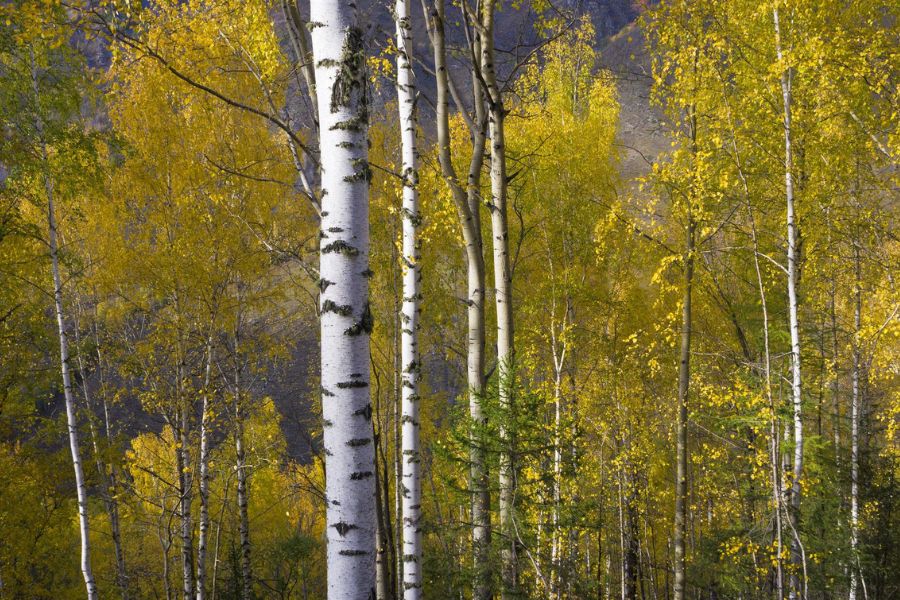
Autumn is the only period that consistently delivers strong visual results – typically late September to early October.
Seasonal comparison:
| Season | Experience | Recommendation |
|---|---|---|
| Autumn | Golden foliage, strong contrast | Best choice |
| Summer | Fully green, softer visuals | Acceptable |
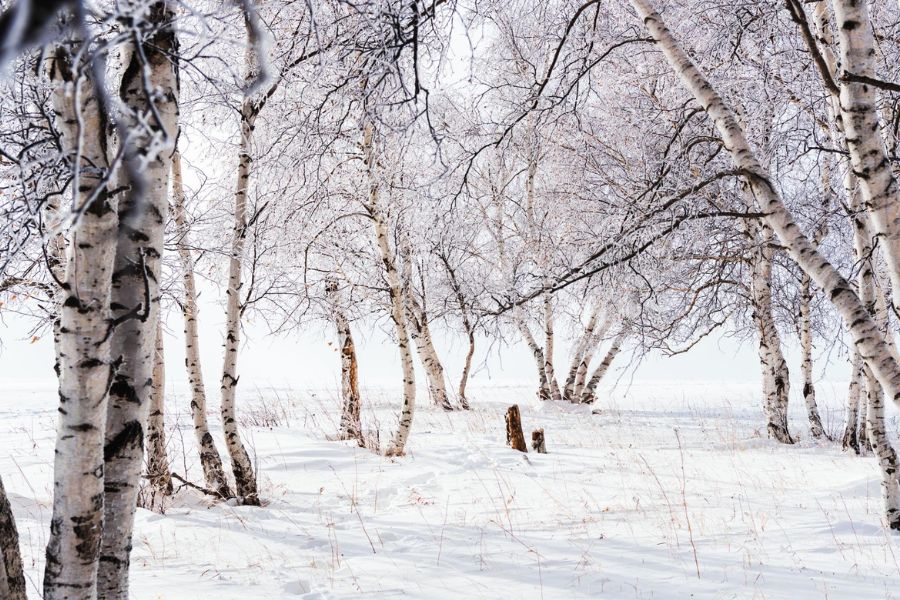
| Winter | Snow contrast, limited access | Niche option |
| Spring | Early growth, low contrast | Not recommended |
Practical notes:
We recommend visiting close to sunset for better light direction
Weather changes quickly – temperature drops after sunset
Not all areas are equally scenic – viewpoint selection matters
Recommended Itineraries in White Birch Forest
Classic Route (1 Day within Kanas or Hemu Area)
Route logic:
Burqin → Kanas Scenic Area or Hemu Village → White Birch Forest
Covers:
Birch forest, nearby rivers, and village landscapes
Best for:
First-time visitors
Travelers with limited time
Pacing:
Short stop – 1 to 2 hours is sufficient
Works best as a transitional stop between major locations
Extended Route (3–5 Days Altay Region)
Route logic:
Burqin → Kanas Lake → Hemu Village → White Birch Forest → Grassland areas
Adds:
More remote viewpoints
Sunrise and sunset opportunities
Village-based stays
Best for:
Photography-focused travelers
Travelers exploring northern Xinjiang in depth
Custom Route Option
White Birch Forest is flexible and easy to integrate into different routes.
Common combinations:
Birch forest + Hemu Village walking route
Birch forest + Kanas Lake viewpoints
Birch forest + grassland and river stops
This option works best when timed around lighting conditions rather than treated as a fixed destination stop.
How to Get to and Around White Birch Forest
Getting there:
Fly to Altay Airport or Kanas Airport
Transfer to Burqin, then enter Kanas or Hemu Scenic Area
Within the area:
Scenic shuttle buses
Private vehicles or guided transport
Walking access from nearby roads or villages
Key considerations:
Distances are short and manageable
Navigation is straightforward
Some viewpoints require a short uphill walk
Public transport works, but it may limit timing flexibility.
A private transfer is a better choice if you want to control arrival time and align with sunset conditions.
Where to Stay in White Birch Forest
Recommended areas:
Hemu Village – best for combining forest, village, and sunrise views
Kanas Scenic Area – better for lake-focused routes
Burqin County – suitable as a transit base
How to choose:
Stay in Hemu if your focus is photography and atmosphere
Stay near Kanas if you are covering multiple scenic stops in one route
Practical Travel Tips
Visit in autumn for the most reliable experience
Plan around sunset for better visual contrast
Allow 1 to 2 hours – longer visits rarely add value
Bring layered clothing – temperature changes quickly
Walk slightly uphill to improve viewing angles
Combine this stop with nearby villages to improve efficiency
Is a Guided or Private Tour Worth It
The main challenge here is timing rather than access.
Limitations:
Seasonal timing determines the overall experience
Not all viewpoints provide the same visual quality
Public transport may not align with optimal lighting
A structured itinerary helps solve these issues:
Ensures arrival during the best lighting window
Connects nearby stops efficiently
Reduces unnecessary travel time
This type of destination benefits from timing-focused planning rather than independent exploration.
Final Thoughts
White Birch Forest is a low-effort, high-visual stop that works best when integrated into a larger Altay itinerary.
The experience depends heavily on season, light, and viewpoint selection, rather than activities.
Planning ahead helps ensure you visit at the right time and avoid unnecessary detours.
You may prefer to review a complete Kanas or Hemu route plan to position this stop more effectively within your trip.