What to Expect in Anjihai Grand Canyon
Anjihai Grand Canyon is known for its exposed red canyon terrain, layered geological formations, and wide braided river channels along the northern foothills of the Tianshan Mountains.
Unlike developed scenic areas in China, the landscape here remains largely natural and unmanaged. Most visitors come for geological scenery, aerial photography, and self-driving travel rather than organized sightseeing infrastructure.
This destination is better suited for photographers, self-driving travelers, and visitors interested in remote landscapes. It may feel difficult for travelers who prefer developed facilities, barrier-protected viewpoints, or easy public transportation access.
The canyon is also commonly called Red Mountain Grand Canyon because mineral-rich rock layers create visible red, orange, and brown color bands under direct sunlight.
Key landscape features include:
Deep canyon cuts formed by the Anjihai River
Large exposed geological layers and sediment sections
Wide braided river terrain with gravel deposits
Strong color contrast between riverbeds and canyon walls
Open terrain with limited shade and minimal infrastructure
The overall experience depends heavily on weather conditions, visibility, and road accessibility.
Best Time to Visit Anjihai Grand Canyon
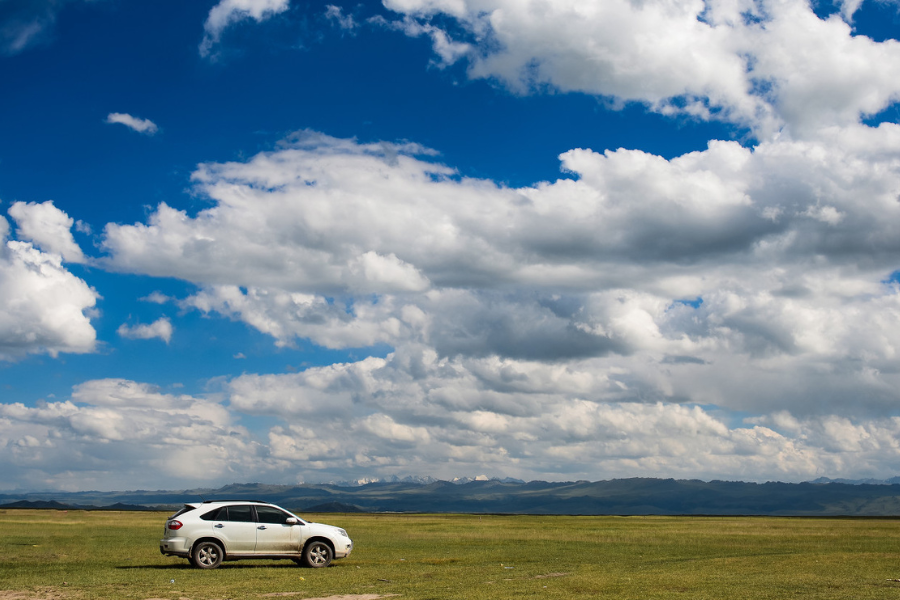
The best time to visit is generally from May to October.
Summer and early autumn usually provide clearer visibility and stronger canyon color contrast
Late afternoon and pre-sunset hours create deeper red and orange layers across the canyon
Dry weather improves both safety and road conditions
Clear weather is important because lighting conditions strongly affect how visible the geological layers appear from viewing areas.
We recommend avoiding rainy or immediately post-rain conditions. Loose soil near cliff areas can become unstable, and some access roads may become muddy or difficult to drive.
Midday conditions can feel harsh because the area has strong sunlight, wind exposure, and very limited shade.
Recommended Itineraries in Anjihai Grand Canyon
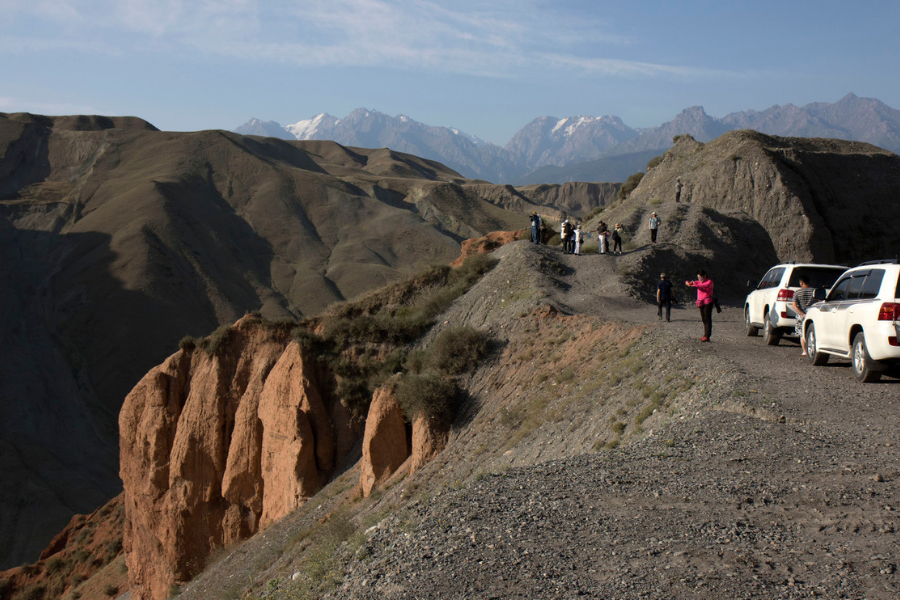
Classic Route (1 Day)
This route usually follows Urumqi → Anjihai Grand Canyon → Kuitun or Dushanzi.
Driving time is typically 6 to 8 hours total depending on traffic and road conditions.
The route focuses on the main canyon viewpoints and roadside photography areas. Most travelers spend one to three hours at the canyon itself.
We recommend this option for first-time Xinjiang visitors or travelers continuing toward Sayram Lake or the Duku Highway.
The pace is relatively balanced, with most of the day focused on driving rather than walking.
Extended Route (3–5 Days)
This route extends beyond the canyon toward Dushanzi, Sayram Lake, Yining, or sections of the Duku Highway.
It combines canyon terrain, mountain roads, grassland scenery, and longer northern Xinjiang driving routes.
Common route combinations include:
Urumqi → Anjihai → Sayram Lake → Yining
Urumqi → Anjihai → Dushanzi → Duku Highway
Kuitun → Anjihai → Sayram Lake
This option is better suited for travelers who prefer slower schedules, photography stops, or broader self-driving experiences across northern Xinjiang.
Custom Route Option
Routes in northern Xinjiang are highly flexible and are often adjusted based on weather, road conditions, and travel pace.
Many travelers combine Anjihai Grand Canyon with Sayram Lake, Dushanzi, or Ili routes instead of visiting it as a standalone destination.
A customized route can help reduce unnecessary backtracking and improve timing for sunset photography conditions.
This approach is especially useful during peak summer travel periods when driving distances across Xinjiang often require more time than expected.
| Route Type | Best For | Pace | Main Limitation |
|---|---|---|---|
| Classic Route | First-time visitors | Balanced | Long driving hours |
| Extended Route | Photography and exploration | Slower | More complex logistics |
| Custom Route | Flexible travel planning | Adjustable | Requires route coordination |
How to Get to and Around Anjihai Grand Canyon
Most travelers reach the canyon from Urumqi, Kuitun, Dushanzi, or Shawan.
Driving from Urumqi usually takes around three to four hours depending on traffic and weather conditions.
Public transportation access is extremely limited. Independent driving is generally the most practical option.
Road conditions vary near the canyon area:
Some roads are paved but uneven
Certain photography locations require dirt-road access
Low-clearance vehicles may struggle on rough sections
Navigation is not always straightforward in remote areas
We recommend downloading offline maps before departure because mobile signal coverage may become inconsistent outside major highways.
| Transportation Option | Advantages | Limitations |
|---|---|---|
| Self-driving | Flexible timing and easier photography stops | Rough road sections possible |
| Private driver | Less navigation stress | Higher cost |
| Public transport | Lower transportation cost | Very limited access and schedules |
Where to Stay in Anjihai Grand Canyon
Most travelers do not stay directly near the canyon because nearby accommodation options remain limited.
Common overnight locations include:
Kuitun – practical for western Xinjiang self-driving routes
Dushanzi – useful before entering the Duku Highway region
Urumqi – suitable for shorter itineraries or early departures
Staying along your larger route usually works better than attempting to stay near the canyon itself.
Travelers planning sunset photography often prefer overnight stops in Kuitun or Dushanzi to reduce night driving after dark.
Practical Travel Tips
Maintain a wide safety distance from cliff edges
Strong winds are common near exposed viewing areas
Loose gravel and unstable soil increase fall risk
Avoid visiting during rainy weather or immediately after rainfall
Bring sufficient water and snacks because nearby services are limited
Wear stable outdoor footwear instead of smooth-soled shoes
Drone photography is usually safer than approaching unstable edges on foot
Check local road conditions before departure
Plan extra driving time because distances in Xinjiang are often longer than they appear on maps
Physical effort is relatively low for standard viewing areas, but exposed cliff sections can become dangerous without caution.
This destination is not ideal for travelers uncomfortable with heights or families with very young children.
Is a Guided or Private Tour Worth It
Traveling independently is possible, but the experience can become difficult without local route knowledge.
Road conditions, weather changes, and photography timing strongly affect the overall experience. Some online navigation routes may also lead to rough or less suitable access roads.
A structured self-driving itinerary can reduce unnecessary detours and improve safety awareness around unmanaged canyon areas.
Private transportation is especially useful if you plan to combine the canyon with longer Xinjiang routes such as Sayram Lake, Yining, or the Duku Highway.
This option can save time, simplify navigation, and improve flexibility for sunset photography schedules.
Anjihai Grand Canyon works best as part of a broader northern Xinjiang road trip rather than a standalone sightseeing stop.
The landscape experience depends heavily on preparation, weather conditions, and realistic expectations.
Careful planning and stable weather conditions usually lead to the safest and most efficient visit.