What to Expect in Horgos Port
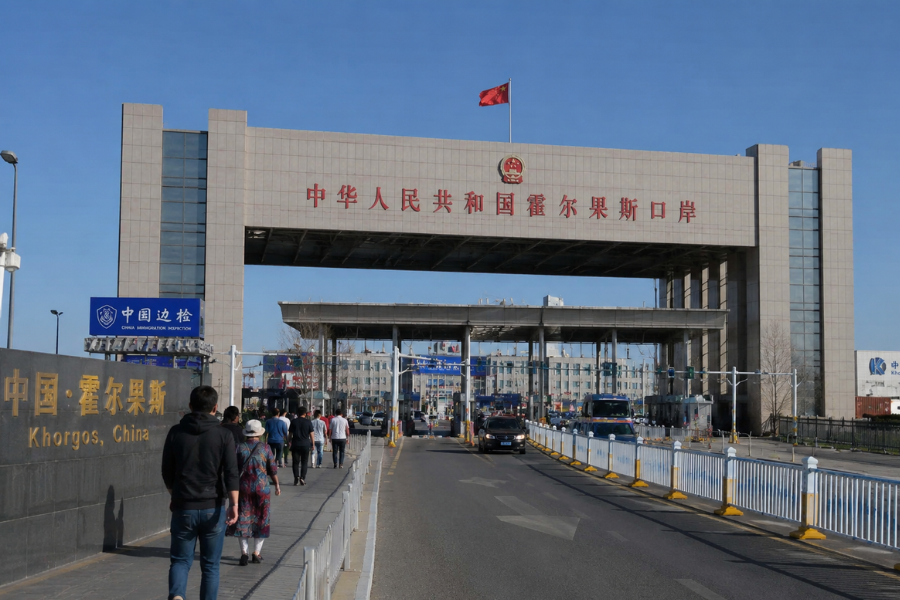
Horgos Port is one of China’s most important land border gateways to Central Asia, located on the China-Kazakhstan border in the Ili Kazakh Autonomous Prefecture of Xinjiang.
The destination focuses more on border culture, Silk Road trade routes, logistics infrastructure, and geopolitical significance than traditional sightseeing attractions.
This destination is best suited for travelers interested in:
Silk Road history
Belt and Road trade routes
Border geography
China-Central Asia transportation networks
Cross-border culture and logistics
Most travelers visit Horgos Port as part of a broader Ili Valley itinerary rather than as a standalone destination.
The main visitor areas include:
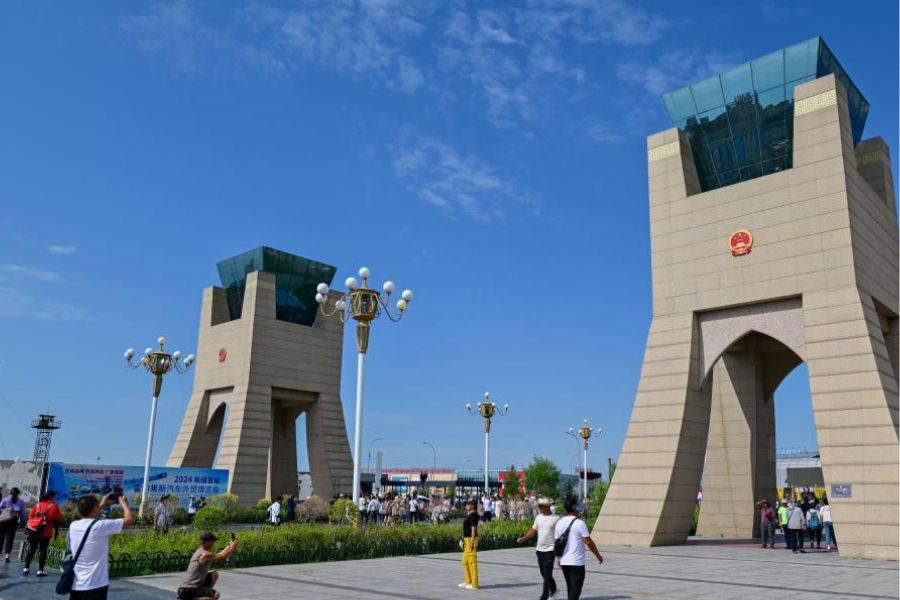
Horgos International Border Cooperation Center
Border gate landmarks
Cross-border shopping areas
Trade and logistics districts
Railway and freight-related viewing zones
Visitors should adjust expectations before arriving. The experience centers on geography, trade symbolism, and border atmosphere rather than entertainment-focused attractions.
Walking distances inside the border complex are often longer than expected. Some checkpoints, permit offices, and shuttle transfer areas are spread across a large zone.
Bringing a passport is strongly recommended. Travelers without passports may need additional temporary permit procedures before entering certain cooperation areas.
Best Time to Visit Horgos Port
The best time to visit Horgos Port is from May to October.
June to September usually offers the most stable weather conditions and works well alongside Ili Valley grassland routes and Sayram Lake itineraries.
| Season | Conditions | Travel Notes |
|---|---|---|
| May-June | Mild temperatures with greener landscapes | Good for combined Ili Valley routes |
| July-August | Peak travel season with warmer weather | Longer queues and slower procedures |
| September | Cooler temperatures with stable visibility | Comfortable for walking and photography |
| October | Colder mornings with lighter crowds | Better for shorter waits |
Morning visits are usually more efficient.
Earlier arrival can help reduce:
Permit processing delays
Queue times
Internal shuttle waiting
Transportation congestion during peak periods
Clear weather also improves visibility across the border landscape and surrounding dry port areas.
National holidays, especially early October, can significantly increase visitor numbers and border-related waiting times.
Recommended Itineraries in Horgos Port
Classic Route (1 Day)
Route:
Yining → Sayram Lake → Guozigou Bridge → Horgos Port → Yining
This is the most common route for first-time visitors exploring western Ili Prefecture.
The itinerary combines:
Grassland scenery
Mountain highway landscapes
Border culture
Silk Road trade themes
This route works best for:
First-time Xinjiang travelers
Visitors with limited time
Travelers interested in border geography and logistics culture
The overall pace is relatively balanced, although the border area may involve additional walking and waiting time during busy periods.
Extended Route (3–5 Days)
Route:
Yining → Nalati Grassland → Sayram Lake → Guozigou → Horgos Port → Khorgos Dry Port Area → Yining
This longer route expands beyond the standard border stop and focuses more on Ili grasslands, transportation infrastructure, and regional trade connections.
It is better suited for:
Photography-focused travelers
Travelers interested in Belt and Road logistics
Visitors exploring western Xinjiang in greater depth
Adding extra time also provides more flexibility if border procedures become slower during peak travel seasons.
Custom Route Option
Horgos Port is commonly combined with:
Ili Valley grassland routes
Western Xinjiang road trips
Silk Road itineraries
Kazakhstan border-themed travel routes
Many travelers combine the area with:
Sayram Lake
Guozigou Bridge
Nalati Grassland
Because distances across western Xinjiang are larger than many travelers initially expect, customized transportation planning often helps improve efficiency and reduce unnecessary backtracking.
How to Get to and Around Horgos Port
Horgos Port is located around 90 kilometers from Yining and approximately 670 kilometers from Urumqi.
The area connects to several major transportation corridors:
G30 Lianhuo Expressway
Jinghe-Yining-Horgos Railway
China-Europe Railway Express routes
China-Central Asia trade corridors
From Yining
Driving from Yining usually takes around 1.5 to 2 hours depending on traffic and checkpoint conditions.
Most travelers choose the following transportation options:
Private car
Guided tour vehicle
Chartered transportation
Public transportation options exist but may require transfers and additional waiting time.
Inside the Cooperation Zone
The internal border complex is larger than many visitors expect.
Travelers may need to:
Walk between checkpoints
Use internal shuttle buses
Complete permit procedures at separate buildings
Some border landmarks are located deeper inside the cooperation zone rather than directly at the entrance.
Comfortable walking shoes are useful due to the size of the area.
Important Border Clarification
Many visitors misunderstand the difference between:
The international cooperation zone
The formal Kazakhstan border crossing
Entering the cooperation center does not automatically allow entry into Kazakhstan.
Full entry into Kazakhstan still requires:
Valid visas when applicable
Formal immigration procedures
Official border clearance
Where to Stay in Horgos Port
Most travelers stay in Yining rather than inside Horgos itself.
Staying in Yining
Yining is the most practical base for:
Day trips to Horgos Port
Ili Valley itineraries
Restaurant and transportation convenience
This option works best for:
First-time visitors
Short itineraries
Travelers combining multiple attractions
Staying Near Horgos Port
Staying closer to the border area may help travelers who:
Want earlier morning access
Prefer a slower travel pace
Are interested in logistics or railway photography
Hotel options near the border area are generally more business-oriented and less tourism-focused compared with Yining.
Practical Travel Tips
Bring your passport whenever possible
Allow additional time for permit procedures
Carry some cash for smaller local payments
Use internal shuttle buses to reduce unnecessary walking
Check current border access policies before departure
Wear comfortable walking shoes
Visit earlier in the day for shorter queues
Avoid assuming Kazakhstan entry is visa-free
Keep schedules flexible during peak travel periods
Is a Guided or Private Tour Worth It
Horgos Port is manageable for independent travelers, but the experience can feel confusing for first-time visitors.
Common challenges include:
Finding permit processing locations
Understanding border access rules
Coordinating transportation
Managing walking distances inside the complex
Adjusting expectations about the cooperation zone
Independent travel usually works best for travelers already familiar with western Xinjiang distances and transportation conditions.
However, structured transportation and route planning can make the visit more efficient, especially when combining:
Sayram Lake
Guozigou
Ili Valley grasslands
Silk Road border routes
A private vehicle or organized route also reduces unnecessary waiting and simplifies logistics between checkpoints, parking areas, and shuttle transfer points.
For travelers visiting western Xinjiang for the first time, updated local planning often improves both timing and overall route efficiency.
Horgos Port works best as part of a broader Ili Valley or Silk Road itinerary rather than as a full standalone destination. Planning transportation and timing in advance usually creates a smoother border experience.