What to Expect in Tangbula Grassland
Tangbula Grassland is an alpine grassland region in eastern Ili, known for open valleys, forested mountains, rivers, and long scenic driving routes through highland pasture areas.
Unlike more developed Xinjiang grassland destinations, Tangbula focuses less on centralized sightseeing and more on continuous landscape transitions along the road. Much of the experience comes from the drive itself rather than a single landmark.
Tangbula works better for travelers who prefer slower road trips, hiking, photography, and less-commercialized grassland scenery.
Many travelers combine Tangbula with the Duku Highway or the wider Ili travel loop instead of visiting independently.
Best Time to Visit Tangbula Grassland
The best time to visit is from June to September.
Late May to early July is usually considered the most visually balanced period. Snow-covered mountains, green grasslands, flowing streams, and wildflowers often appear together during this season.
July and August provide more stable road access and warmer temperatures. Visitor numbers also increase during this period, especially around roadside viewpoints and Fairy Lake access areas.
September brings early autumn colors and lower crowd density across the valley routes.
Mountain weather changes quickly throughout the day. Clear weather has a direct impact on visibility, lake color, and photography conditions.
Travelers with flexible schedules often get a better experience by adjusting plans around weather conditions rather than following a fixed timetable.
Recommended Itineraries in Tangbula Grassland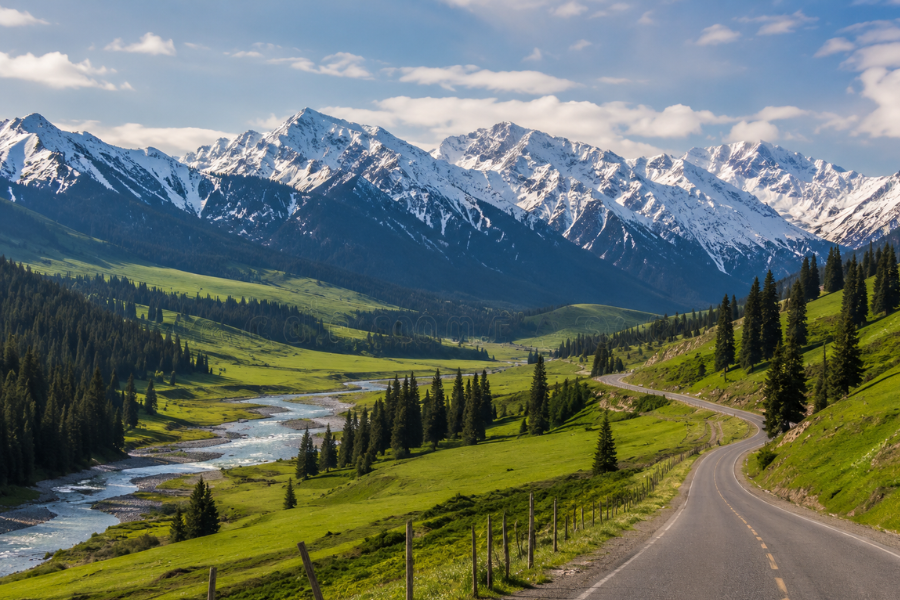
Classic Route (1–2 Days)
This route usually follows Yining → Nalati → Tangbula → northern Duku Highway.
It covers the Tangbula Hundred-Mile Gallery, alpine meadows, forest valleys, roadside river scenery, and short hiking areas around Fairy Lake.
We recommend this route for first-time visitors exploring the Ili region or travelers driving the northern section of the Duku Highway.
The pace is relatively balanced, although driving distances are still long by eastern China standards. Frequent photography stops can also extend travel time significantly.
Extended Route (3–5 Days)
This route expands beyond Tangbula into deeper Ili grassland and mountain regions.
Common combinations include Nalati Grassland, Sayram Lake, Qiaxi Grassland, and Kuerdening.
This option works better for travelers interested in photography, hiking, camping, or slower travel pacing. It also provides more flexibility for adjusting plans around weather and visibility conditions.
Compared with the shorter version, the extended route reduces rushed driving and allows more time for roadside stops and outdoor activities.
Custom Route Option
Tangbula routes are highly flexible and are often adjusted based on road openings, weather conditions, and travel direction.
Many travelers combine Tangbula with either the Ili loop or the Duku Highway depending on whether they enter from Yining, Nalati, or the northern mountain section near Qiaorma.
A custom route can help reduce unnecessary backtracking and improve timing for photography and hiking activities. This becomes especially useful during seasonal transition periods when mountain weather and road access remain less predictable.
How to Get to and Around Tangbula Grassland
Most travelers enter Tangbula from Yining, Nalati, or the northern Duku Highway direction.
Self-driving is the most common transportation method. Public transportation coverage is limited, especially for scenic stops and hiking access points.
Distances between viewpoints are relatively long, and many landscapes are spread continuously along the route instead of concentrated inside one scenic area.
Common transportation options include:
| Option | Advantages | Limitations |
|---|---|---|
| Self-driving | Flexible timing and easier scenic stops | Long driving hours |
| Private car | Less navigation stress and more efficient pacing | Higher transportation cost |
| Horse riding | Reduces physical effort near Fairy Lake | Limited flexibility for photography |
| Hiking | Better immersion and independent pacing | Moderate physical effort required |
Hiking and horseback riding offer very different experiences around Fairy Lake.
Hiking allows more flexibility for photography, stream crossings, and slower exploration. Horse riding reduces physical effort but often limits stopping time because many rides follow fixed return schedules.
We recommend private transportation or self-driving for travelers planning to explore multiple areas within the Tangbula region.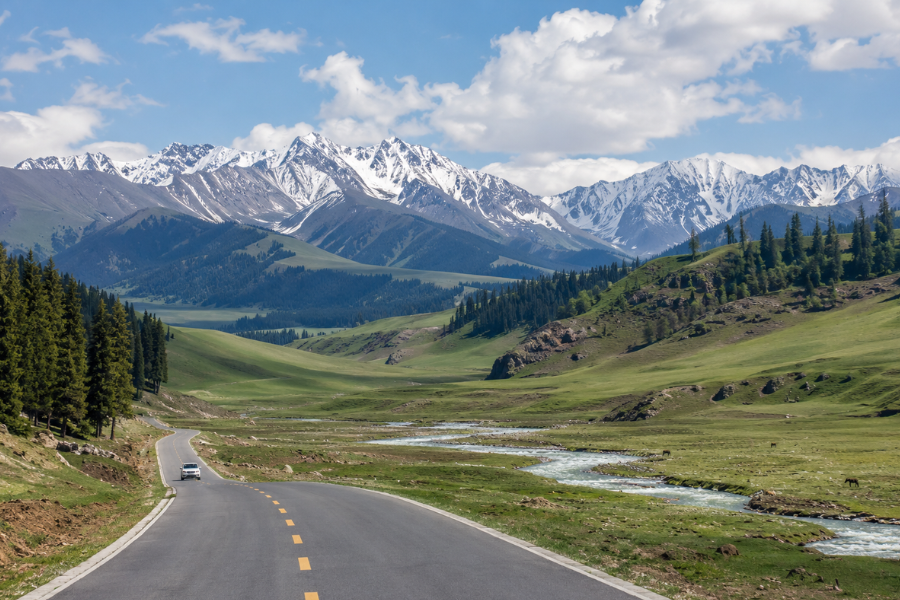
Where to Stay in Tangbula Grassland
Accommodation choices depend heavily on your route and travel style.
Tangbula roadside guesthouses work well for overnight stops, early-morning departures, and photography-focused itineraries. Facilities in this area are usually simpler than in larger Xinjiang tourist towns.
Nalati provides more hotel choices, restaurants, and tourism infrastructure. This is often a more comfortable option for travelers prioritizing convenience.
Yining works better before or after longer Ili loop itineraries because transportation access is easier and accommodation standards are generally more consistent.
Some travelers also stay in Kazakh yurts during summer.
This option is better suited for travelers prioritizing atmosphere and grassland immersion rather than hotel comfort and modern facilities.
During peak summer travel periods, accommodation availability can become limited along major Ili and Duku Highway routes. Advance booking is usually recommended.
Practical Travel Tips
Waterproof shoe protection is strongly recommended during snowmelt season
Trekking shoes with grip improve comfort on wet ground and uneven trails
Layered clothing works better because temperatures can change quickly in mountain areas
UV exposure remains strong even during cooler weather
Hiking to Fairy Lake usually takes more than two hours at a moderate pace
Stream crossings are common during late spring and early summer
Walking times are often longer than expected because of photography stops
Carry water and snacks because facilities are limited along hiking sections
Sunny weather significantly improves lake visibility and overall landscape contrast
Many travelers focus only on Fairy Lake and underestimate the quality of the route itself.
In practice, much of the Tangbula experience comes from the gradual scenery changes along the valley approach, including rivers, forest sections, pasture areas, and snow-covered mountain views.
Travelers should also expect substantial outdoor exposure throughout the route. This is not a short sightseeing stop and usually involves continuous walking, changing terrain conditions, and long hours outside.
Is a Guided or Private Tour Worth It
Independent travel in Tangbula is possible, but planning can become complicated due to changing mountain weather, long driving distances, and limited transportation infrastructure.
Public transportation does not cover many hiking access points or photography stops efficiently. Coordinating weather timing, road conditions, and pacing can also become difficult for travelers unfamiliar with the region.
A private tour or structured route can help reduce rushed decision-making and improve overall timing efficiency.
This is especially useful for travelers combining Tangbula with the Ili loop or the Duku Highway, where route sequencing and road conditions have a direct impact on travel pace and visibility conditions.
Careful planning usually leads to a significantly smoother experience in alpine grassland regions like Tangbula.