What to Expect From Yili Horse Experiences
The Yili Horse is one of China’s best-known modern riding horse breeds, developed mainly in the Ili River Valley of Xinjiang. The breed combines local Kazakh horses with European and Russian bloodlines, including the Thoroughbred and Don Horse.
Unlike short tourist pony rides found in some scenic parks, Yili horse experiences are usually connected with open grasslands, long-distance riding routes, and Kazakh pastoral culture.
This experience is most suitable for travelers interested in:
Grassland scenery and outdoor activities
Nomadic culture and local pastoral life
Horse riding combined with photography
Multi-day Xinjiang grassland itineraries
Travelers expecting highly controlled riding conditions may find the experience more physically demanding than standard tourist horseback activities.
Horse temperament can vary noticeably between individual animals. Some horses are calm and slower-paced, while others are more responsive and energetic.
Open grassland riding is usually less polished and less commercialized than enclosed tourist riding areas. The experience focuses more on landscape immersion and route atmosphere than technical riding performance.
Best Time to Experience Yili Horses
The best season is from June to September, when grassland conditions across Nalati Grassland, Kalajun Grassland, and Zhaosu County are most stable.
Seasonal differences are relatively clear.
| Season | Conditions | Recommended For |
|---|---|---|
| June | Cooler weather and fresh grassland scenery | General sightseeing and riding |
| July-August | Warm temperatures and peak riding activity | Horse riding and cultural events |
| September | Cooler air, softer sunlight, fewer visitors | Photography and slower travel |
| October onward | Yellow grasslands and colder conditions | Limited riding activities |
July and August are the busiest months for horseback experiences. Popular grassland areas may become crowded during domestic summer holidays.
Weather conditions affect riding comfort significantly. Rain can create slippery trails, while strong sun exposure becomes noticeable during longer rides on open terrain.
Recommended Itineraries for Yili Horse Experiences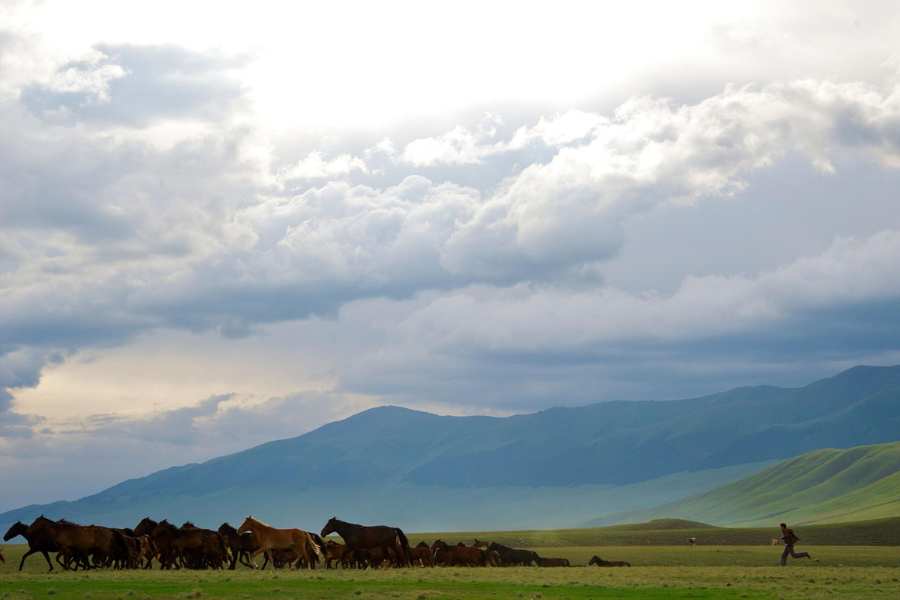
Classic Route (4-6 Days)
This route usually follows the order below.
Yining → Nalati Grassland → Kalajun Grassland → Qiongkushitai Village
The route covers the most accessible grassland regions in Ili Prefecture. Travelers can combine sightseeing, short horseback experiences, and Kazakh cultural activities within moderate travel distances.
This option works well for:
First-time Xinjiang visitors
Travelers with limited time
Beginners interested in shorter riding routes
The pace is relatively balanced. Most riding activities are combined with scenic stops rather than full-day horseback travel.
Extended Route (7-10 Days)
This route extends beyond the classic itinerary.
Yining → Nalati → Kalajun → Qiongkushitai → Xiata Ancient Trail → Zhaosu
The extended route includes deeper pasture regions and alpine grasslands where horse culture remains closely connected with local herding life.
Travelers may experience:
Longer horseback routes
Remote alpine meadows
River crossings and valley trails
Local horse festivals in Zhaosu
This route is better suited for:
Photography-focused travelers
Outdoor enthusiasts
Travelers comfortable with longer driving distances
Visitors interested in deeper grassland experiences
Long riding sessions can become physically tiring for inexperienced riders. Riders often underestimate fatigue in the legs, hands, and lower back during extended routes.
Custom Route Option
Horse-related itineraries in Ili can be adjusted based on riding experience, physical condition, and travel style.
Common route combinations include:
Grassland sightseeing with short horseback activities
Photography-focused pasture routes
Family-friendly riding experiences
Multi-day grassland and nomadic culture itineraries
Some remote riding areas have limited public transportation and inconsistent local arrangements. Customized route planning usually helps reduce uncertainty, especially during peak summer travel periods.
How to Get to and Around Yili Horse Regions
Most travelers enter the Ili region through Yining.
Common transportation options include:
| Method | Advantages | Limitations |
|---|---|---|
| Domestic flight | Fastest access | Seasonal price fluctuations |
| High-speed rail with car transfer | Stable and comfortable | Longer total travel time |
| Self-driving | Greater flexibility | Mountain driving experience recommended |
| Private vehicle | Easier logistics | Higher overall cost |
Transportation becomes more complicated after entering grassland regions.
Distances between scenic areas are often longer than expected. Some horseback routes are located far from main highways or towns.
Public transportation coverage remains limited in many pasture areas. Private transport or organized itineraries usually make the trip more efficient.
Where to Stay During Yili Horse Trips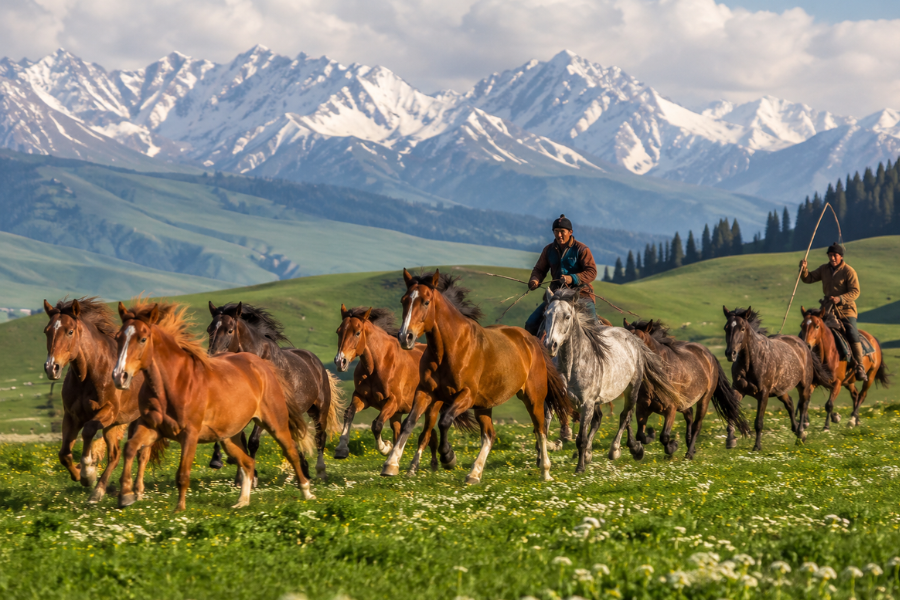
Accommodation choices depend heavily on the route structure and riding schedule.
Yining
Yining works best for:
Arrival and departure nights
Travelers preferring city hotel conditions
Adjusting before entering grassland regions
The city has the widest hotel selection in the Ili area.
Nalati and Kalajun Areas
These areas work best for:
Convenient grassland access
Short horseback experiences
Travelers prioritizing scenic locations
Accommodation ranges from standard hotels to seasonal guesthouses.
Qiongkushitai and Remote Pasture Areas
These regions are more suitable for:
Deeper grassland immersion
Photography-focused itineraries
Slower travel schedules
Conditions are usually more basic than city hotels. Heating, hot water, and room standards can vary depending on altitude and season.
Practical Travel Tips
Riding Preparation
Wear long pants and stable footwear
Avoid loose equipment during rides
Carry minimal items while on horseback
Gloves may improve comfort during longer rides
Safety Considerations
Listen carefully to local riding instructions
Stay attentive even on calm horses
Avoid continuous filming while riding
Sudden horse movement can happen on uneven terrain
Many horses prefer following familiar group routes rather than leading independently. Riders should remain attentive even when horses appear calm and experienced.
Physical Expectations
Many travelers underestimate the physical effort required for grassland riding.
Common fatigue areas include:
Hands
Inner legs
Lower back
Short riding routes are usually more comfortable for beginners and casual travelers.
Photography and Scenic Conditions
Grassland riding routes are often valued more for landscape immersion than speed.
The most stable photography conditions usually appear during:
Early morning pasture light
Sunset grazing periods
Clear weather near snow mountains
Open alpine meadow sections
Trying to film continuously while riding can reduce balance and safety.
Is a Guided or Private Horse Riding Trip Worth It
Independent travel in the Ili region is possible, but horse-related experiences can vary significantly depending on local coordination, horse selection, and route conditions.
Common difficulties include:
Limited English communication
Remote riding locations
Inconsistent horse temperament
Difficulty selecting suitable riding routes
Travelers without riding experience may find organized arrangements more comfortable and predictable.
A structured itinerary can help with:
Matching riders with suitable horses
Managing transportation between grasslands
Reducing uncertainty in remote pasture regions
Balancing horseback activities with sightseeing pace
Private transportation also reduces long transfer times between scattered grassland areas. This becomes more important on shorter Xinjiang itineraries.
Yili horse experiences work best when combined with wider Ili Valley travel planning. Routes connecting grasslands, Kazakh culture, alpine scenery, and local riding activities usually provide a more balanced understanding of the region.