Grilled Quail is one of those dishes that often surprises first-time travelers in China because it looks small and simple at first glance, yet the actual eating experience is far more concentrated than most poultry dishes tourists are used to. The flavor is stronger than chicken, the texture changes quickly depending on heat control, and the difference between a well-cooked quail and an overcooked one becomes obvious within only a few minutes of roasting.
In many night markets, barbecue restaurants, and regional grill-focused dining areas across China, roasted quail appears alongside lamb skewers, grilled fish, and open-fire meat dishes, especially in places where smoky charcoal cooking remains part of local food culture. Travelers who usually order familiar poultry dishes often notice immediately that quail behaves differently under heat because the bird is smaller, leaner, and more sensitive to cooking time.
Why Grilled Quail Tastes Different From Chicken
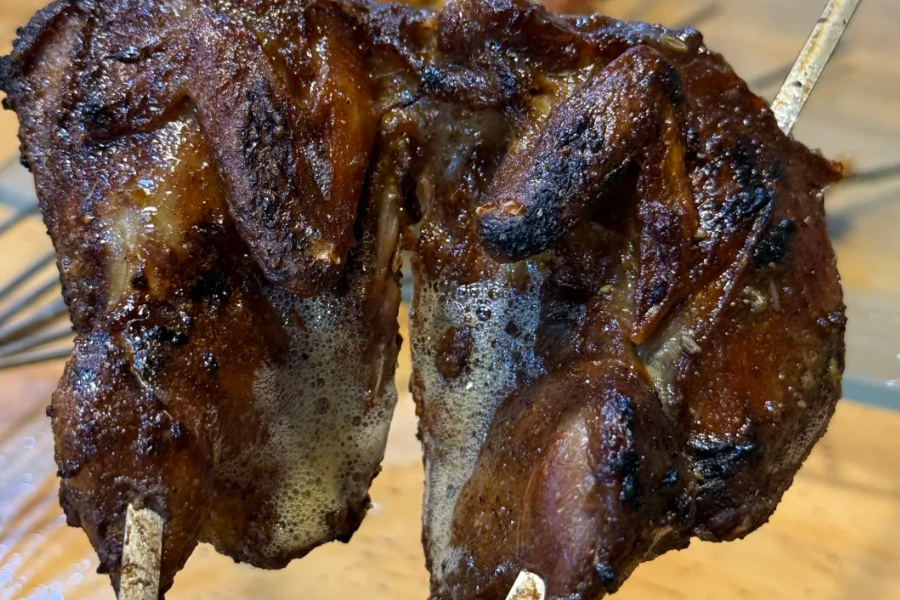
The main difference comes from muscle structure and fat content, because quail meat is naturally firmer and contains less fat than chicken, which creates a denser texture and a more concentrated flavor after high-temperature roasting. Instead of relying on heavy sauces, many versions depend on rapid heat exposure, light oil brushing, and seasoning penetration to create contrast between crisp skin and moist meat.
When cooked correctly, the outer layer develops a thin caramelized surface while the inside remains tender and slightly juicy, though this balance disappears quickly if the heat remains too high for too long. Travelers who prefer softer, milder poultry sometimes find grilled quail slightly gamey at first, while visitors who enjoy charcoal-grilled meat or stronger roasted flavors usually adapt quickly.
In northern and western parts of China, especially in barbecue-heavy regions influenced by Xinjiang-style grilling culture, cumin, chili powder, Sichuan peppercorn, and smoky spice blends are commonly used because they complement the stronger flavor profile of smaller birds better than lighter seasoning styles.
The Cooking Process Matters More Than Many Travelers Expect
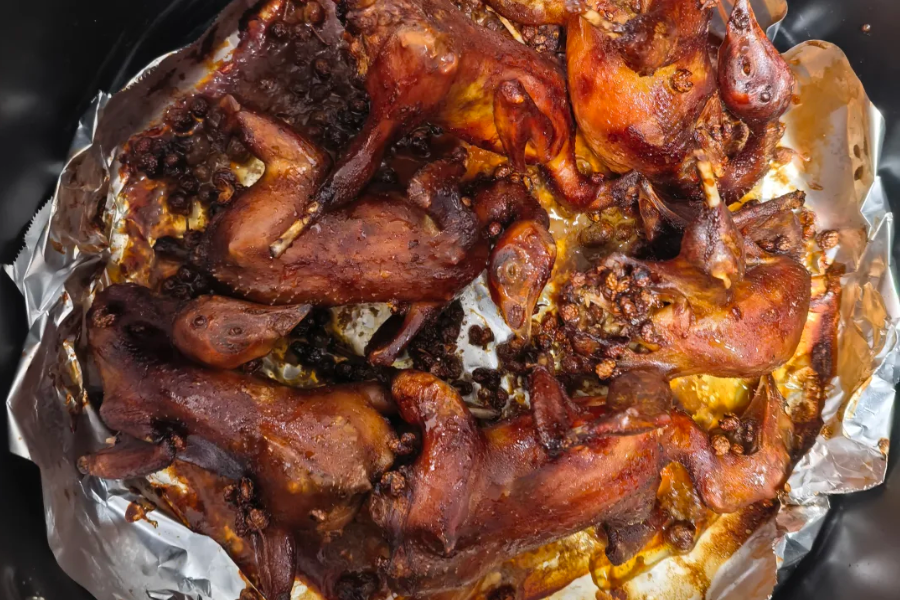
One reason grilled quail develops such different results between restaurants is that the cooking window is extremely narrow compared to larger poultry dishes, meaning even small timing mistakes can dry the meat quickly. Restaurants that specialize in open-flame grilling usually handle this better because they rotate the bird constantly and adjust distance from the charcoal throughout the cooking process.
Most versions follow a similar pattern where high heat is used early to seal moisture and create surface browning, while the later stage focuses more on texture adjustment and skin crispness. This is also why marination becomes more important than many visitors initially expect, since the meat itself does not contain enough fat to compensate for weak seasoning or moisture loss during roasting.
Soy sauce-based marinades are common in many Chinese barbecue shops, though some restaurants use spice-forward dry rubs instead. In areas influenced by Middle Eastern or Central Asian cooking traditions, yogurt marinades, cumin-heavy seasoning, and acidic citrus components may appear more frequently.
Texture Is the Main Reason Many Travelers Remember the Dish
Travelers often remember grilled quail less for portion size and more for the contrast in texture, because the experience changes between crispy skin, compact meat, and small roasted bones within the same bite. When properly roasted, the outer layer becomes lightly crisp without turning brittle, while the meat stays firm but not dry.
Some charcoal-roasted versions intentionally push the bird closer to a crisp finish, creating edible thin bones and a more snack-like texture, especially in beer barbecue environments or late-night food streets. Other restaurants serve softer oven-roasted styles where moisture retention becomes the priority and the skin remains thinner and less crunchy.
This variation explains why online reviews of grilled quail sometimes differ sharply, since the dish changes significantly depending on roasting method, seasoning depth, and finishing temperature rather than recipe alone.
What Travelers Should Know Before Ordering
Travelers who enjoy strong barbecue aroma, concentrated meat flavor, and open-fire cooking techniques usually adapt well to grilled quail, especially when paired with local beer, flatbread, or shared barbecue platters. Visitors expecting large portions or soft chicken-like texture may find the dish smaller and firmer than anticipated.
A few practical details help reduce disappointment during the first experience:
Charcoal-grilled versions usually provide stronger aroma and crisper skin, while oven-roasted versions tend to preserve more moisture and softer texture.
Because quail cooks quickly, restaurants with high customer turnover generally produce more consistent texture than slower establishments where grilled items may sit too long before serving. Ordering freshly roasted batches also matters more here than with larger meat dishes.
Travelers sensitive to game-style flavors may prefer spice-heavy versions first because cumin, chili, garlic, and pepper blends soften the sharper poultry notes and make the transition easier for first-time diners.
Why Heat Control Changes Everything
The biggest challenge with grilled quail is moisture retention because the bird contains relatively little fat, which means excessive heat exposure can rapidly create dryness even when the surface still appears visually acceptable. Experienced grill stations constantly adjust rotation speed, fire distance, and oil brushing frequency to keep the meat stable throughout the process.
This also explains why some restaurants partially flatten the bird before grilling, since a spatchcock-style preparation allows more even heat distribution and reduces the risk of dry breast meat while the legs finish cooking.
Travelers interested in cooking-focused food experiences often find grilled quail more technically interesting than standard barbecue because small changes in heat timing produce immediate texture differences that are easy to notice while eating.
Where Grilled Quail Fits Into a China Food Trip
Grilled quail usually works better as part of a broader barbecue meal rather than as a standalone main dish, particularly in night market environments where diners order multiple grilled items together. In Xinjiang-influenced barbecue areas, it often appears beside lamb skewers and naan-style bread, while in urban grill restaurants it may be served as a specialty poultry option within mixed barbecue platters.
For travelers building a food-focused China itinerary, this dish is a better choice if the goal is to experience regional grilling culture rather than simply trying another poultry item. The appeal comes from cooking technique, texture contrast, and charcoal flavor management much more than portion size or visual presentation.
Hiorient Travel usually recommends trying grilled quail in restaurants known for open-fire barbecue rather than generic tourist dining areas, because consistency in timing and heat control has a noticeable effect on the final experience. In destinations where barbecue culture is part of local evening dining habits, choosing a busy restaurant with visible grill stations generally leads to more reliable texture and fresher roasting cycles.
For travelers exploring China through regional food traditions, grilled quail offers a useful example of how smaller ingredients are often handled with more precise fire control and seasoning balance than many visitors initially expect.