Many travelers arrive in Kashgar expecting bold, heavily seasoned noodle dishes similar to other regional Chinese cuisines. Kashgar noodles usually feel different from the first bite.
The texture stands out before the seasoning does.
In most traditional noodle shops, the dough is still pulled by hand shortly before cooking. The noodles are thicker than what many visitors expect, with a firmer and more elastic bite that feels closer to Central Asian wheat-based food traditions than standard mainland Chinese noodles. Local restaurants often keep the seasoning relatively balanced so the texture remains the center of the dish rather than the sauce.
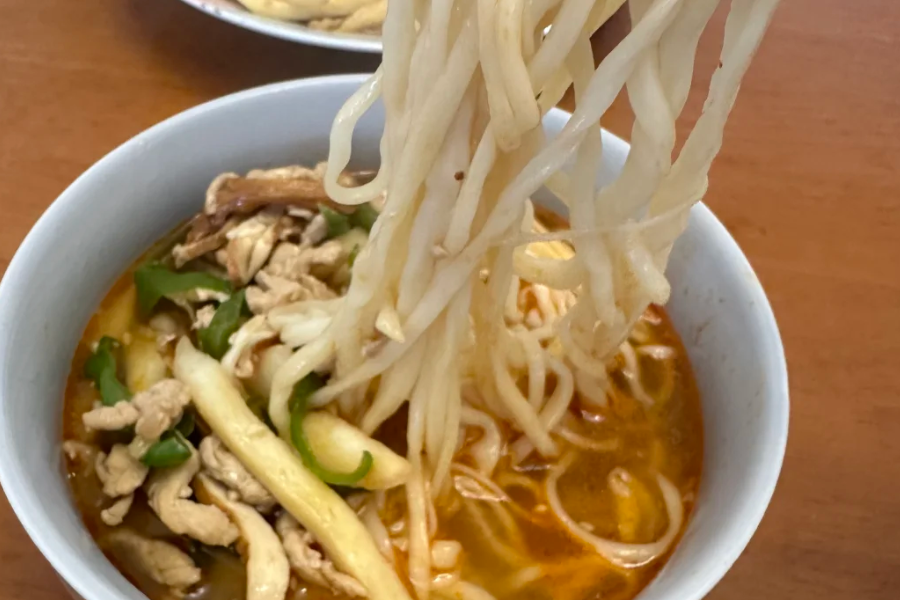
This is why travelers who normally focus on toppings sometimes miss what local diners actually care about. In Kashgar, people often judge noodle shops by consistency, noodle elasticity, and freshness rather than presentation or menu variety.
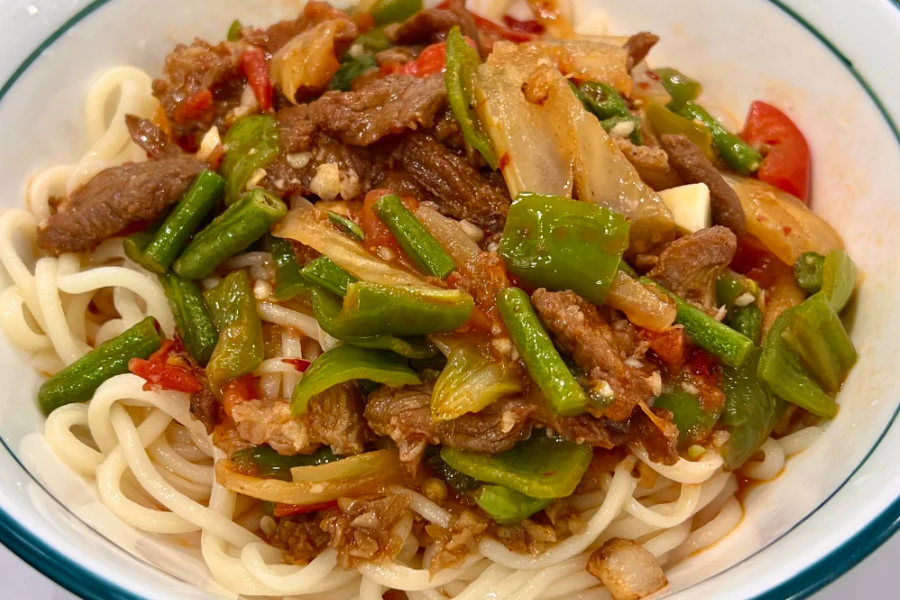
The most common version is usually known as Laghman, a hand-pulled noodle dish associated with Uyghur food culture across southern Xinjiang. A typical bowl combines noodles with stir-fried lamb or beef, onions, peppers, tomatoes, and cumin-based seasoning. The flavor is savory and filling, though usually less spicy than many first-time visitors expect.
Fresh noodles make a noticeable difference. Restaurants that prepare noodles continuously during lunch and dinner hours tend to produce a firmer texture with more wheat flavor, while noodles left sitting too long after cooking become softer and heavier. This is one reason experienced travelers often avoid arriving too late in the evening, especially at restaurants known for handmade noodles.
The dining environment also surprises many visitors. Some of the most respected noodle restaurants in Kashgar look extremely modest from the outside. A small storefront or hidden courtyard location does not necessarily indicate lower quality. In fact, many long-running local restaurants depend almost entirely on repeat neighborhood customers rather than tourist traffic.
Travelers exploring older parts of Kashgar often encounter noodles naturally between market visits, mosque areas, and residential streets rather than through formal restaurant planning. The experience usually feels tied to everyday routine dining instead of destination-focused food tourism.
Timing changes the atmosphere significantly. Around noon, many popular noodle shops become crowded quickly, especially near busy bazaar districts. Tables turn over fast, staff move quickly, and waiting lines are common at well-known local restaurants. Mid-afternoon generally feels calmer and easier for travelers who prefer a slower dining experience or need additional time for ordering.
Portion size is another thing visitors regularly underestimate. A standard bowl can already feel heavy when combined with kebabs, naan, or yogurt drinks. Xinjiang meals often center around wheat, meat, and oil-based flavors, which can become surprisingly filling for travelers unfamiliar with the regional diet. Sharing dishes usually works better than ordering multiple full portions immediately.
For many visitors, Kashgar noodles become more memorable after a few days in southern Xinjiang rather than during the first meal. The appeal is less about dramatic flavor and more about familiarity, texture, and the atmosphere surrounding the restaurants themselves. After long walks through the Old City or crowded market streets, the combination of fresh noodles, cumin aroma, and fast-moving local restaurants begins to feel closely connected to daily life in Kashgar.
That local routine is part of what makes the experience distinctive. Hand-pulled noodles are not treated as specialty food in Xinjiang. They are everyday comfort food, eaten quickly during work breaks, shared during family meals, or included naturally in longer market visits across the city.
For travelers planning food-focused routes through Kashgar, it usually helps to keep the schedule flexible. Well-known noodle shops can become busy without warning, and many highly regarded restaurants are easier to find with local familiarity rather than map rankings alone. Coordinating food stops alongside nearby cultural sites often creates a smoother experience than treating individual restaurants as isolated destinations.
Travelers who enjoy handmade wheat-based foods generally adapt well to Kashgar noodle culture. Those expecting highly refined restaurant presentation or heavily layered seasoning may need to adjust their expectations slightly. In Kashgar, the highlight is often the freshness of the noodles themselves and the feeling of stepping briefly into the rhythm of everyday local dining.