Roasted pumpkin is one of the easier vegetable dishes to prepare consistently, which is part of the reason it appears so often in home kitchens, seasonal cafés, and health-focused meal plans across Europe and North America. Once exposed to dry heat, the pumpkin’s natural sugars begin concentrating near the surface while moisture gradually evaporates, creating a texture that feels denser and more stable than steamed pumpkin without requiring complicated preparation techniques or heavy seasoning.
For travelers trying local autumn menus or temporary seasonal dishes, roasted pumpkin is usually a safer starting point than heavily spiced squash soups or sweet pumpkin desserts because the flavor profile stays relatively clean and ingredient-driven. The sweetness comes mostly from caramelization rather than added sugar, which gives the dish a mild roasted aroma closer to chestnut or sweet potato than to dessert-style pumpkin pie fillings commonly associated with North American holiday food.
What Roasting Changes in Texture and Flavor
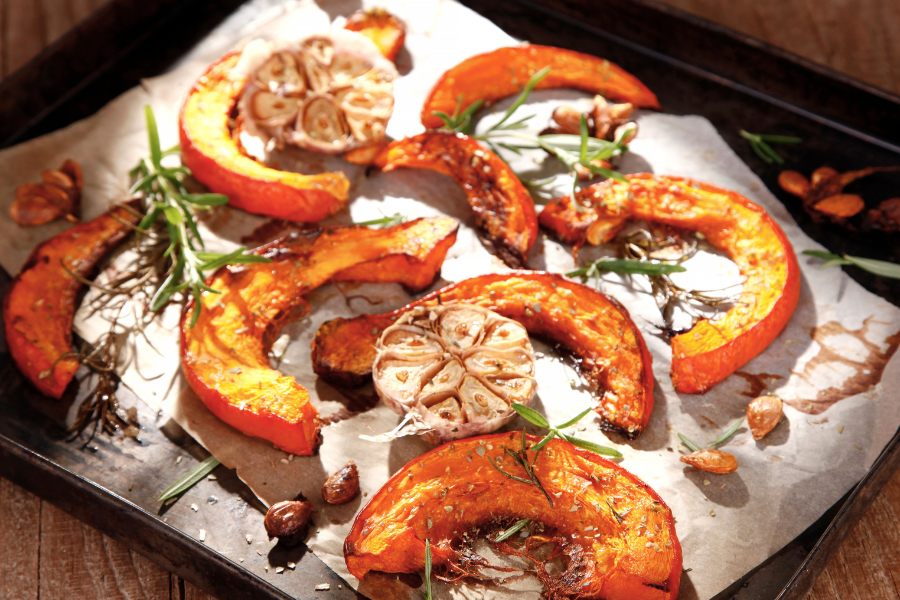
The largest difference between roasted pumpkin and boiled pumpkin is moisture control. Roasting removes water gradually while preserving structure, which creates the soft but slightly sticky texture many Asian travelers describe as “糯感,” especially when medium-sized cubes are cooked at temperatures around 180–200°C.
When cooked correctly, the outer edges develop light browning while the center remains smooth and creamy without becoming watery. This contrast is usually strongest in air fryer preparation because circulating heat dries the surface more aggressively than steaming or pan cooking.
Many people underestimate how strongly cooking time affects sweetness development. A shorter roast may leave the interior firm and relatively bland, while extended roasting deepens flavor but increases the risk of dryness near thinner edges. In practice, most home cooks get more balanced results by slightly under-roasting first and adding extra time gradually instead of committing to a long cooking cycle immediately.
Butter, olive oil, and dry seasoning also change the final flavor direction significantly. Butter tends to create a richer aroma and fuller mouthfeel, although it can partially cover the pumpkin’s natural sweetness, while olive oil usually produces a cleaner finish that works better in salads or grain bowls.
The Best Pumpkin Types for Roasting
Not every pumpkin performs well in the oven, which explains why some travelers find roasted pumpkin unexpectedly watery or bland in certain restaurants. Smaller edible varieties usually contain denser flesh and lower moisture levels, making them more reliable for roasting.
The most commonly recommended options include Sugar Pumpkin, Pie Pumpkin, and Butternut Squash, all of which maintain structure relatively well during high-heat cooking. Kabocha pumpkin, often called Japanese pumpkin or chestnut pumpkin in international supermarkets, is especially popular among home cooks because it develops a firmer and sweeter texture with relatively little seasoning.
Large decorative pumpkins often used for carving are generally a weaker choice for cooking because the flesh contains more water and less concentrated flavor. Even after extended roasting, the texture may remain stringy or diluted.
Why Air Fryers Became Popular for Roasted Pumpkin
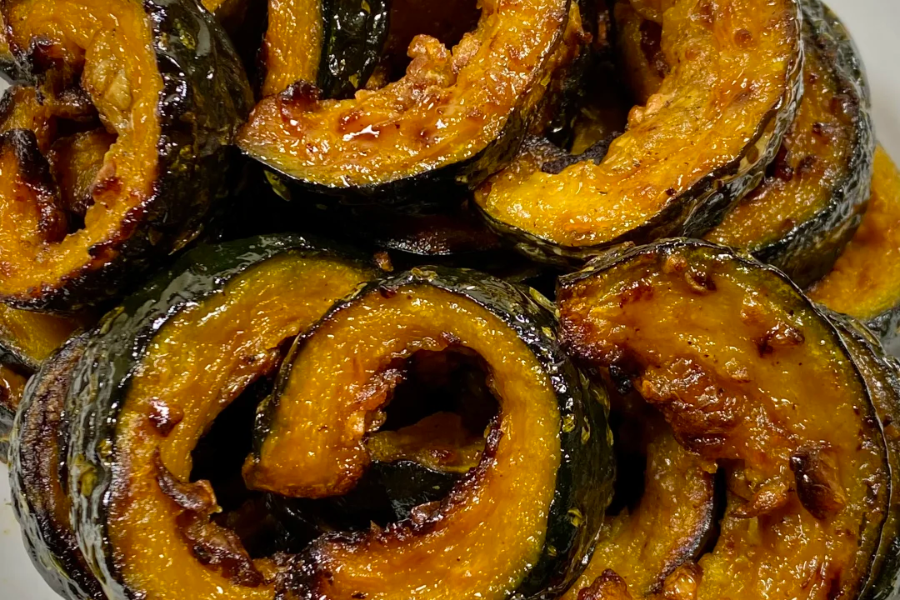
Air fryers became a common method for roasted pumpkin largely because they reduce preparation time while still producing caramelized surfaces similar to oven roasting. For travelers staying in serviced apartments or temporary rentals with compact kitchen setups, this method is often more practical than using a full-size oven.
Most recipes operate within a narrow temperature range around 180°C, with total cooking time usually falling between 15 and 30 minutes depending on cut size and pumpkin density. Smaller cubes brown faster and develop crisp edges more easily, while larger wedges retain more moisture and produce a softer interior.
Uniform cutting size matters more than many people expect. Uneven pieces often lead to inconsistent texture, where thinner sections dry out before larger chunks finish softening. This becomes especially noticeable in air fryers because heat circulation concentrates more intensely around exposed edges.
Allowing the pumpkin to rest briefly after cooking also improves consistency. The interior continues stabilizing for several minutes after removal from heat, which helps reduce excessive softness near the center.
Common Mistakes That Affect Results
One of the most common problems is over-seasoning too early. Heavy spice blends, thick sauces, or excessive butter can overwhelm the pumpkin’s natural sweetness before caramelization fully develops, which often produces a flatter flavor than simpler seasoning approaches.
Another misconception is assuming the skin should always be removed. In many smaller pumpkin varieties, especially Kabocha-type pumpkins, the skin softens noticeably during roasting and becomes fully edible. Leaving it attached can improve structural stability and reduce waste.
Cooking appliance differences also matter more than recipe instructions often suggest. Air fryers vary widely in airflow strength and internal temperature accuracy, meaning identical timing recommendations may produce different results across models. This is one reason experienced home cooks usually monitor browning visually instead of relying only on preset cooking durations.
Is Roasted Pumpkin Actually Healthy?
Roasted pumpkin is generally considered a moderate-calorie food with relatively high nutritional density, especially compared with heavily processed comfort foods or cream-based side dishes. The flesh naturally contains beta-carotene, fiber, potassium, and vitamin C, while the roasting process itself usually requires only small amounts of oil.
Because the flavor becomes sweeter during roasting, many people use less sugar or sauce than they would with other vegetable dishes. This makes roasted pumpkin a common choice for travelers or home cooks looking for lighter meals that still feel filling.
However, calorie totals can increase quickly once butter, honey, cream sauces, or sweet toppings are added heavily. In restaurants, roasted pumpkin dishes marketed as “healthy” may still contain substantial fat content depending on preparation style.
When Roasted Pumpkin Works Best in a Meal
Roasted pumpkin functions somewhere between a vegetable side dish and a starch replacement, which makes it flexible for both Western and Asian-style meals. It pairs especially well with grilled meat, grain bowls, roasted chicken, nuts, yogurt sauces, and mild spice profiles.
For travelers exploring seasonal food markets or autumn café menus, roasted pumpkin is often one of the more accessible vegetable dishes because the flavor profile remains mild, slightly sweet, and easy to combine with unfamiliar ingredients. It also adapts well to vegetarian diets without requiring complex substitutions.
This preparation style generally works best for people who prefer low-effort cooking with relatively predictable results. The technique prioritizes simplicity and ingredient quality over technical precision, which is part of why roasted pumpkin remains consistently popular in home kitchens despite changing food trends.
A simple roasted pumpkin dish may not look dramatic compared with restaurant-style plated desserts or heavily seasoned street food, but it tends to deliver one of the more reliable combinations of texture, nutrition, and ease of preparation available in seasonal cooking.