Stone-grilled meat in Xinjiang is less about a fixed dish and more about a cooking method that shapes the entire dining experience. Instead of traditional grilling over open flame, meat is cooked directly on a heated stone surface, which creates a fast, high-heat searing process that locks in moisture while forming a crisp outer layer. For many travelers, the experience is as much about interaction and atmosphere as it is about the food itself.
This style of dining is common in social, high-traffic food areas where shared cooking and group participation are part of the appeal. It works best when travelers understand that timing, crowd levels, and expectations can significantly influence the final experience.
How Stone-Grilled Meat Works and Why It Feels Different
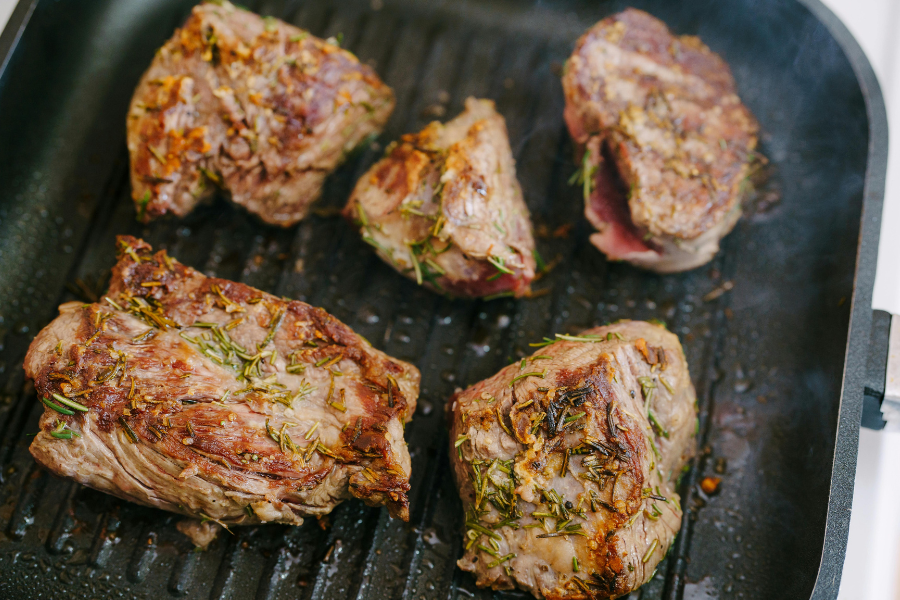
Stone-grilled meat uses natural stones such as volcanic rock or granite that are heated to extremely high temperatures before serving. Once the meat is placed on the surface, the heat sears it quickly and creates a sealed outer layer.
The practical result is straightforward. The outside cooks quickly while the inside retains moisture, giving you control over how well the meat is cooked. There is no open flame involved, which also means less smoke and a more controlled cooking environment at the table.
This method is closer to hot stone grilling than traditional barbecue, and the cooking process itself becomes part of the dining experience rather than something hidden in the kitchen.
What the Dining Experience Feels Like in Xinjiang
In Xinjiang, stone-grilled meat is often tied to busy evening dining scenes where atmosphere plays a major role. The setup usually encourages interaction, with food arriving in a way that allows guests to finish cooking at the table.
Many travelers notice that the appeal is not purely about flavor precision. Instead, it comes from the shared experience, visual cooking process, and group activity around the stone grill. This makes it more of a social dining format than a traditional sit-down meal focused on fine culinary detail.
Expectations matter here. Travelers looking for consistent, highly refined barbecue flavors may find the experience different from what they anticipate.
When to Go and How Crowds Affect the Experience
Dinner time is the busiest period for stone-grilled meat venues in Xinjiang. Popular locations can fill quickly, especially those that are well known on social media or located in high-footfall dining districts.
Early evening arrivals usually offer a more manageable experience, with shorter waiting times and easier seating. Later hours often involve queues, even when the restaurant appears large or well-prepared for groups.
This pattern is important for planning. What looks like a simple dinner stop can easily turn into a longer time commitment during peak hours.
Taste, Texture, and What Actually Matters on the Plate
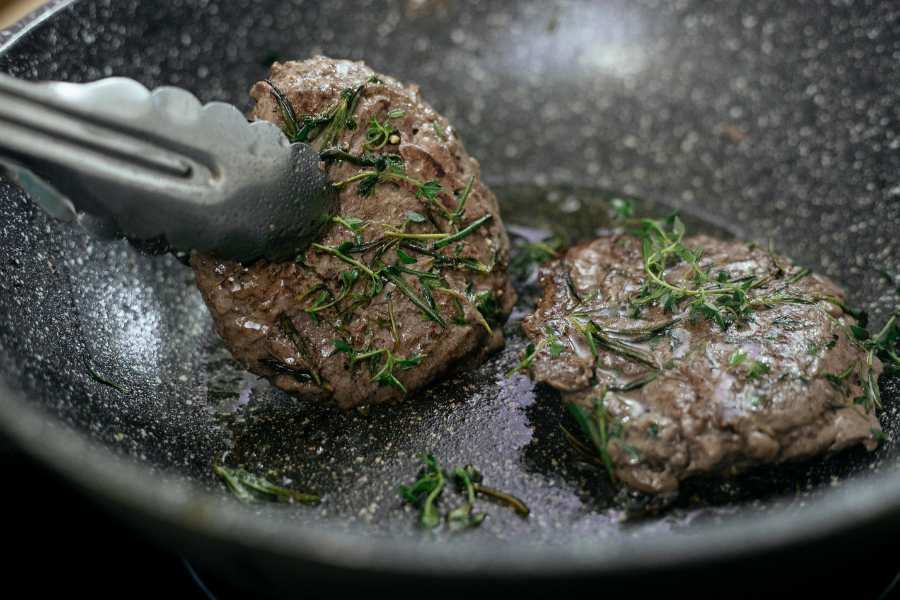
The final taste of stone-grilled meat can vary more than travelers expect. The high heat creates strong surface searing, which produces a noticeable contrast between the outer layer and the inner texture of the meat.
One key point is that the cooking method itself influences consistency. Because diners often control cooking time at the table, results can differ even within the same order. The focus tends to shift toward freshness and texture rather than complex seasoning.
For many visitors, the visual appeal of the cooking process is stronger than the depth of flavor variation.
What to Order and How to Balance the Meal
Stone-grilled meat menus typically include a mix of beef, lamb, chicken, seafood, and vegetables. Beef and lamb are the most common choices, especially cuts like ribeye or sliced lamb that cook quickly on high heat.
A practical detail many travelers overlook is balance. Pairing grilled meat with simple staples like rice or bread helps stabilize the richness of the meal and makes the overall experience more satisfying.
Without this balance, the meal can feel heavy or repetitive, especially during longer dining sessions.
Crowd Flow, Waiting Time, and Restaurant Layout
Well-known stone-grill restaurants in Xinjiang often experience concentrated visitor flow during peak hours. Even outside strict dinner rush times, popular venues can fill quickly due to group dining patterns.
Large seating areas do not always translate into faster service or easier access. Layout and table turnover can affect how long you wait before starting your meal.
For travelers, this means planning flexibility is more important than choosing a specific restaurant name alone.
Travel Timing and How This Fits Into a Xinjiang Route
Stone-grilled meat stops are often part of a larger travel day in Xinjiang rather than a standalone destination. Distances between attractions, especially outside major city centers, can make timing less predictable than expected.
A single dining stop may take longer than planned due to waiting time, cooking time, and group dining flow. When combined with travel between sites, this can affect the overall pace of your itinerary.
This is why flexible scheduling is more effective than tightly packed planning.
Energy, Timing, and Trip Pacing
Although the dining itself is not physically demanding, it can extend your travel timeline more than expected. Waiting periods and social dining flow often slow down the evening schedule.
Travelers typically underestimate how long a stone-grilled meal experience takes from arrival to completion. Planning extra buffer time helps maintain a smoother overall travel rhythm.
Who This Experience Works Best For
Stone-grilled meat in Xinjiang is best suited for travelers who value interactive dining and shared group experiences. It works particularly well for families or groups who enjoy cooking together at the table.
It is less suitable for those who prioritize highly consistent flavor profiles or fast dining efficiency. In those cases, more traditional restaurant formats may provide a better match.
Practical Tip for a Better Experience
Arriving earlier in the evening and allowing extra time for seating and cooking improves the overall experience significantly. Group ordering and shared dishes also tend to work better than individual meal planning.
This type of dining experience is most enjoyable when it is treated as part of the travel journey rather than a quick meal stop.
Final Takeaway
Stone-grilled meat in Xinjiang is not defined only by flavor but by how the meal is prepared and shared. The experience depends heavily on timing, expectations, and crowd conditions.
For travelers planning a Xinjiang food route, it works best as a flexible, social dining stop rather than a precision-focused culinary destination. A well-planned visit helps turn it into a smoother and more enjoyable part of the journey.