The Silk Road was never a single road.
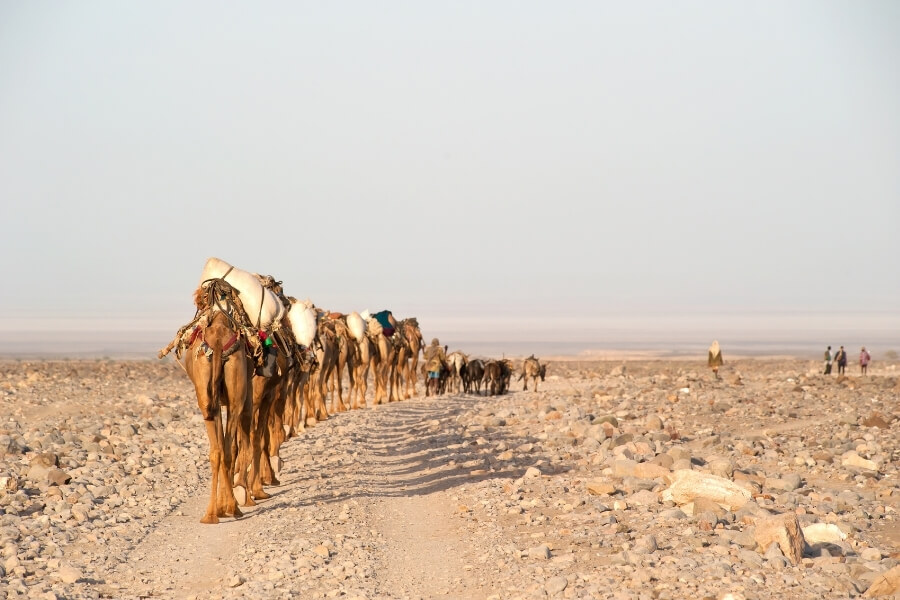
It was a vast network of trade routes connecting China, Central Asia, the Middle East, and Europe for more than 1,500 years. Merchants traded silk, spices, horses, glassware, and precious stones, while religions, technologies, foods, and ideas moved across continents.
Today, many parts of the Silk Road can still be experienced across China — especially in Xi'an, Gansu, and Xinjiang.
Here are 13 Silk Road facts that reveal how this ancient network shaped the modern world and what travelers can still experience today.
13 Silk Road Facts
1. How the Silk Road Started 2,100 Years Ago
In 139 BC, Emperor Wu of Han sent diplomat Zhang Qian westward to build alliances against the Xiongnu tribes.
His journeys opened long-distance connections between China and Central Asia, creating trade corridors.
Today's Travel Tip: Start in Xi'an to see Chang'an's ancient city wall and museums tracing early Silk Road history.
2. It Was Never Just One Road
-
The Silk Road was a network of routes branching from Dunhuang:
Northern Route: Turpan → Central Asia
Southern Route: Hotan → Kashgar
Tea Horse Road: Tibet → India
Maritime Silk Road: Coastal ports → Middle East & Europe
This flexibility helped traders avoid wars, deserts, and harsh weather.
Today's Travel Tip: Explore desert oases, Tibetan culture, or coastal heritage along different routes.
3. Most Traders Only Covered Short Sections
Few merchants traveled the full route from China to Rome.
Goods passed through many hands, creating multicultural trade hubs.
Today's Travel Tip: Visiting Dunhuang or Kashgar gives a realistic sense of historic caravan hubs.
4. Silk, Horses, and Early Trade
Silk was the most famous product, but horses from Central Asia were crucial for military needs.
“Heavenly horses” helped the Han Dynasty in campaigns against nomadic tribes.
Today's Travel Tip: Turpan and Kashgar still showcase artifacts and markets reflecting ancient trade.
5. Stretching Over 9,000 Kilometers
The network spanned roughly 9,000 km from Chang'an to the Mediterranean.
China alone took weeks to cross via deserts and mountains.
Today's Travel Tip: Modern trains and highways allow travelers to experience long Silk Road segments safely and efficiently.
6. Dunhuang — Gateway to the Desert
Strategic stop before the Taklamakan Desert.
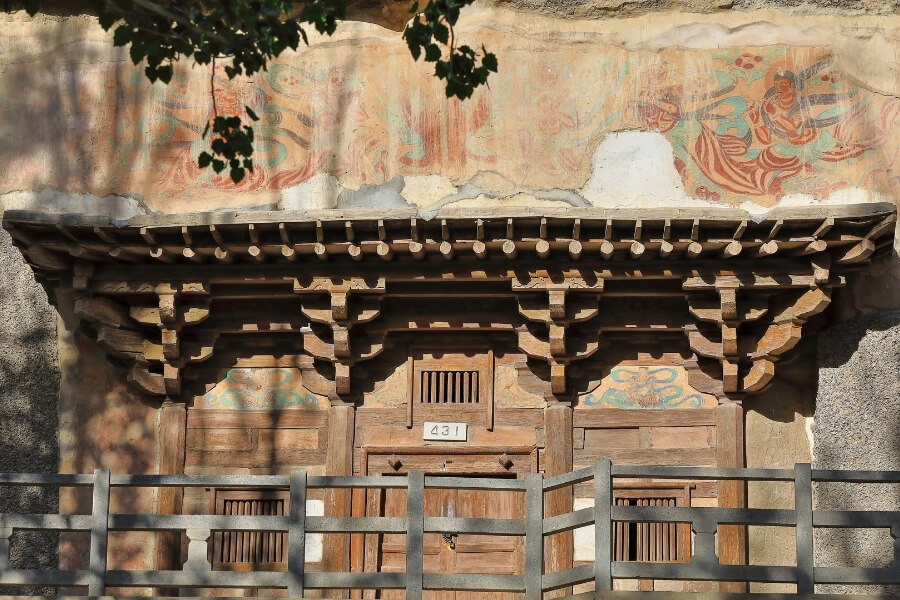
Mogao Caves preserve thousands of murals influenced by India, Persia, and Central Asia.
Today's Travel Tip: Early morning visits to Mogao Caves provide clearer lighting for photography.
7. How Buddhism Traveled West to East
Buddhism moved from India through Central Asia to China during the Han Dynasty.
Monks, translators, and pilgrims carried scriptures and art, integrating Buddhism into Chinese culture.
Today's Travel Tip: Dunhuang's cave art and Luoyang's White Horse Temple reflect this heritage.
8. Tang Dynasty — Silk Road at Its Peak
618–907 AD: Chang'an became the world's largest international city.
Trade, diplomacy, and religion flourished; Buddhist, artistic, and technological exchanges accelerated.
Today's Travel Tip: Visit Xi'an museums and Tang-era relics to feel the cosmopolitan atmosphere.
9. Marco Polo and Silk Road Adventures
Traveled China during the Yuan Dynasty in the 13th century.
Introduced Europe to Asia's wealth and trade networks.
Today's Travel Tip: Many Silk Road museums and sites in Xi'an and Xinjiang showcase European travelers' influence.
10. When “Silk Road” Got Its Name
Coined in 1877 by Ferdinand von Richthofen.
Silk symbolized the trade network because of its value and Chinese origin.
Today's Travel Tip: Visiting silk museums in Xi'an or Suzhou offers context for Silk Road commerce.
11. How the Silk Road Shaped Culture and Technology
Spread papermaking, printing, gunpowder, religious ideas, crops, medical knowledge, and artistic styles.
Foods like grapes, walnuts, and pomegranates entered China; Chinese silk, tea, and porcelain spread westward.
Today's Travel Tip: Sample regional Silk Road cuisines in Dunhuang, Turpan, or Kashgar to experience cross-cultural flavors.
12. Modern Silk Road — Railways and Highways
Belt and Road Initiative revived Silk Road connectivity.
China-Europe Railway Express reduced transit from 50 days by sea to 18 days by rail.
Today's Travel Tip: Combine historical sightseeing with modern train travel across Xinjiang and Gansu for a unique perspective.
13. Silk Road Travel Today
Silk Road travel is increasingly popular. Key destinations in China include:
| Duration | Coverage | Highlights | Difficulty | Travel Tip |
|---|---|---|---|---|
| 5–7 days | Xi'an & Dunhuang | Terracotta Warriors, Mogao Caves | Easy | Ideal for first-time visitors |
| 8–10 days | Hexi Corridor & Turpan | Zhangye Danxia, Jiayuguan, desert oases | Moderate | Plan transport between remote sites |
| 12–15 days | Full China Silk Road | Xi'an → Kashgar, mountains & deserts | Longer distances | Consider guided support for logistics |
Problem → Solution → Recommendation
Problem: Some Silk Road routes are remote and require careful planning.
Solution: Customized itineraries covering Xinjiang and Hexi Corridor simplify logistics.
Recommendation: Travelers may choose professional guides or agencies for an immersive experience.
Best Time to Visit
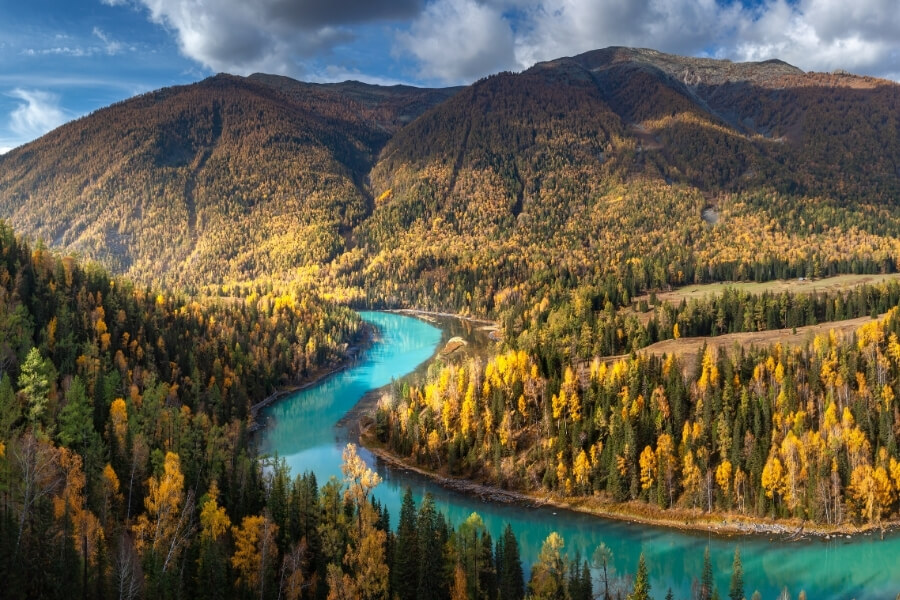
April–June & September–October: comfortable temperatures, clear skies
Spring: apricot blossoms in Xinjiang
Autumn: golden Populus euphratica forests, desert photography
FAQ
Q1: Was the Silk Road only used for silk trading?
No. Traders exchanged spices, horses, tea, porcelain, and precious stones. Religious, technological, and cultural ideas also spread along the routes.
Q2: Is the ancient Silk Road still used today?
Original caravan routes are inactive, but modern railways and highways follow similar corridors, allowing travelers to explore historic sections safely.
Q3: Which Silk Road city in China has the strongest Central Asian atmosphere?
Kashgar in Xinjiang features bustling bazaars, Islamic architecture, traditional foods, and vibrant Central Asian cultural influences.
Q4: Is Silk Road travel in China suitable for independent travelers?
Major cities like Xi'an, Dunhuang, and Zhangye are easy to visit independently. Longer Xinjiang routes usually require planning or guided support.
Q5: What caused the decline of the ancient Silk Road?
The rise of maritime trade, political instability, and Ming Dynasty sea restrictions gradually ended overland Silk Road commerce.
Final Thoughts
The Silk Road connected civilizations across continents for centuries.
Today, travelers can explore its history, art, deserts, mountains, and cultural traditions.
An informed, well-planned itinerary — whether 5 days or 15 days — ensures travelers experience both the historical and modern Silk Road fully.