Quick Answer
Eating mooncakes during Mid-Autumn Festival is one of the most recognizable cultural experiences in China, but Xinjiang offers a very different atmosphere compared with eastern Chinese cities. Alongside classic mooncakes, travelers in Xinjiang may encounter local “tu mooncakes,” nut-filled pastries, milk-skin mooncakes, dried fruit desserts, and ethnic festival foods shared during evening gatherings.
For first-time China travelers, Mid-Autumn Festival in Xinjiang feels less commercial and more connected to landscape, food, and local community life. In places like Kashgar, Altay, and the Ili Valley, the festival often combines autumn scenery, tea culture, music, bazaars, and family-style dining beneath unusually clear night skies.
At the same time, Xinjiang is enormous. Holiday transportation becomes busier, distances between destinations remain long, and English support outside major hotels is still limited in many areas. Travelers who understand the pacing in advance usually enjoy the experience much more comfortably.
Why Mid-Autumn Festival Feels Different in Xinjiang
In most parts of China, Mid-Autumn Festival mainly revolves around mooncakes and family dinners. Xinjiang shares these traditions, but the region adds strong Silk Road and Central Asian influences that make the experience feel very different from Beijing, Shanghai, or Guangzhou.
In Xinjiang, Mid-Autumn Festival often blends Han Chinese traditions with Uyghur, Kazakh, Hui, and other local ethnic cultures. Food tables may include mooncakes alongside naan, dried fruits, milk tea, roasted nuts, or local pastries that many foreign travelers have never seen before.
The setting changes the atmosphere as well. In northern Xinjiang, Mid-Autumn Festival usually arrives during peak autumn color season around Altay, Kanas, and Hemu. In southern Xinjiang, Kashgar still feels warm in the evenings, with outdoor tea houses and night markets remaining active long after sunset.
For many travelers, this combination of moonlight, desert towns, mountain villages, and Silk Road food culture becomes one of the most memorable parts of visiting western China.
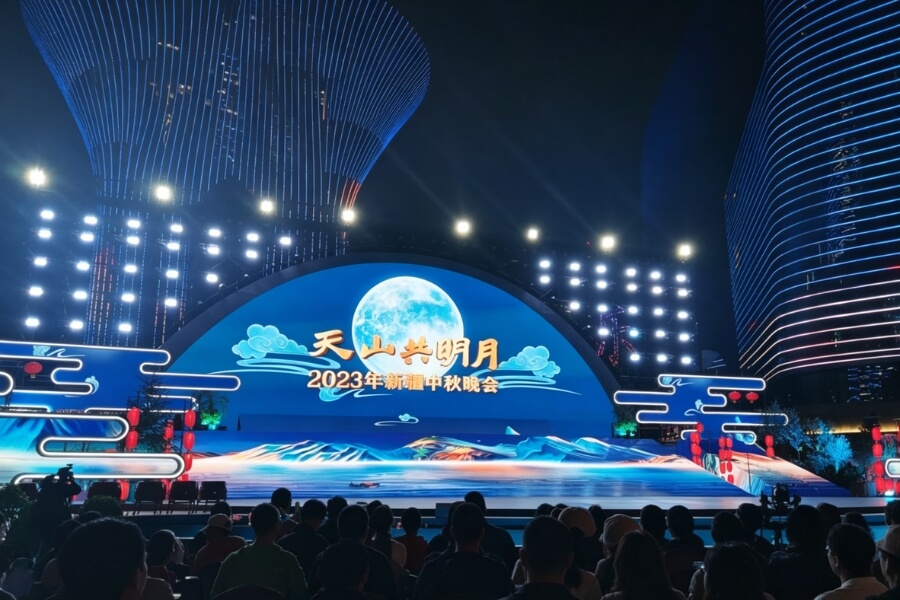
Why Xinjiang Is Part of Mooncake History
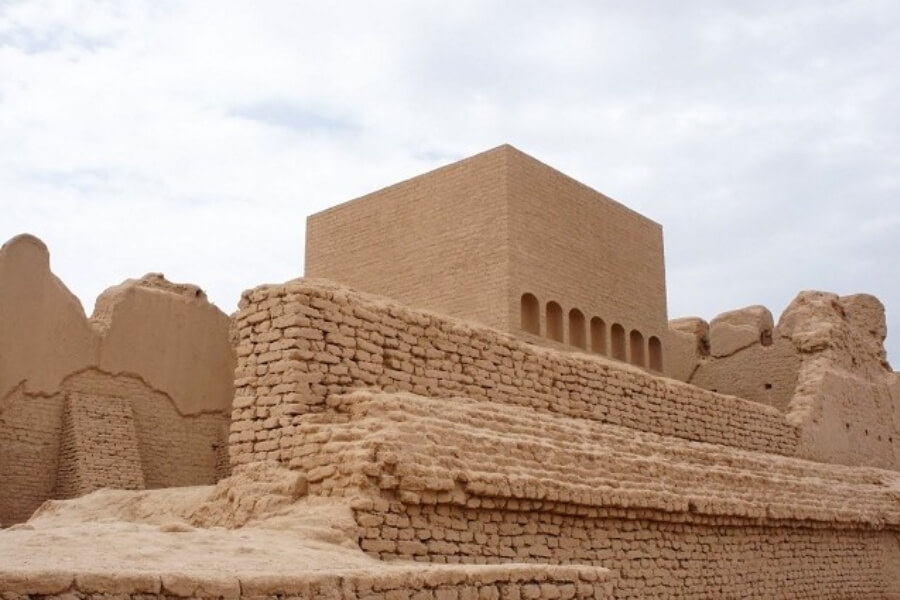
Many travelers don't realize that China's only discovered physical “mooncake-style” ancient pastry artifact was found in Xinjiang.
Archaeologists discovered a mooncake-like baked pastry in the Astana Tombs near Turpan. The pastry dates back to the Tang Dynasty and features decorative flower patterns similar to modern mooncakes. This suggests that people living along the Silk Road in ancient Xinjiang already understood pastry-making techniques similar to mooncake production more than a thousand years ago.
For travelers interested in Silk Road history, this creates an interesting connection between ancient trade routes, Central Asian baking traditions, Tang Dynasty food culture, and modern Mid-Autumn Festival customs.
Xinjiang therefore feels less like a distant “regional variation” of Mid-Autumn Festival and more like one of the places where different food cultures gradually merged over centuries.
What Mooncakes Actually Taste Like
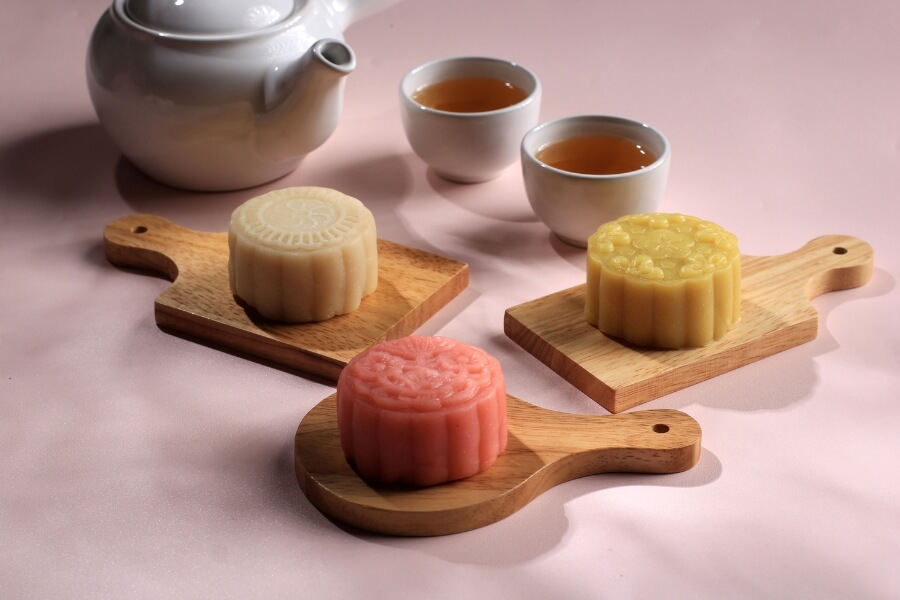
Many first-time visitors to China expect mooncakes to taste similar to Western cakes or pastries. In reality, traditional mooncakes are usually denser, heavier, and much richer.
The crust may be soft, chewy, flaky, or crumbly depending on the region. Fillings range from sweet to savory.
Traditional flavors include lotus seed paste, red bean paste, jujube paste, mixed nuts, and salted egg yolk. Modern versions may include custard, chocolate, coffee, cream cheese, or even ice cream fillings.
A common surprise for foreign travelers is how filling mooncakes actually are. In China, people rarely eat an entire mooncake alone. Instead, mooncakes are normally cut into smaller portions and shared among family or friends while drinking tea.
Travelers expecting light desserts may find traditional Cantonese-style mooncakes unexpectedly heavy at first. Some visitors only realize this after ordering several full-sized mooncakes at once in a bakery or supermarket.
The Mooncakes and Festival Desserts You'll Find in Xinjiang
Xinjiang has developed its own regional mooncake culture using local agricultural ingredients and Silk Road dessert traditions.
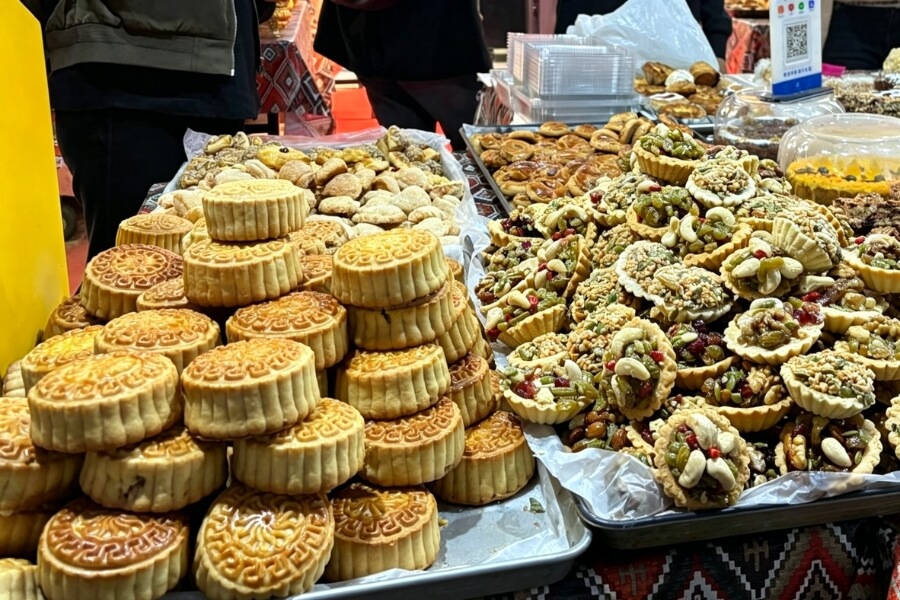
Xinjiang “Tu Mooncakes”
In Kashgar and Hotan, local “tu mooncakes” are often made with rose jam, walnuts, raisins, red dates, almonds, sesame, and honey.
Compared with many Cantonese mooncakes, Xinjiang-style mooncakes are usually less oily and have a more obvious dried fruit and nut flavor. Some bakeries in southern Xinjiang sell these pastries year-round instead of only during Mid-Autumn Festival.
In older bakery streets in Kashgar, trays of fresh mooncakes are sometimes stacked directly beside naan ovens and dried fruit counters. During holiday weeks, locals often buy them in large paper boxes to bring to evening family gatherings.
Milk-Skin Mooncakes
Milk-skin mooncakes have become increasingly popular in Xinjiang in recent years. These mooncakes use local dairy products and often feel lighter and softer than traditional baked mooncakes.
Travelers who normally dislike traditional dense mooncakes sometimes find milk-skin versions easier to enjoy.
Other Festival Desserts Travelers May Encounter
During Mid-Autumn Festival in Xinjiang, travelers may also encounter Bahali cakes, qiegao nut desserts, fried baursak dough snacks, local naan served with jam, dried fruit platters, and milk tea desserts shared during evening gatherings.
Unlike highly packaged luxury mooncakes commonly seen in large eastern Chinese cities, many local desserts in Xinjiang still feel homemade or community-oriented.
How Mooncakes Are Usually Eaten in China
One common misunderstanding among foreign travelers is assuming mooncakes are everyday desserts.
In reality, mooncakes are mostly symbolic festival foods connected to reunion and sharing. Most Chinese families eat them after dinner while spending time together during the evening.
Tea is usually served alongside mooncakes because traditional fillings can feel rich and sweet. In Xinjiang, some families also combine mooncakes with local milk tea, blackcurrant drinks, dried fruits, or naan bread.
The atmosphere is normally casual rather than formal. In many homes, people simply sit together talking, drinking tea, and slowly sharing small pieces of different mooncakes while watching the moon outside.
In Xinjiang, this atmosphere often continues surprisingly late into the evening. Around Kashgar's older neighborhoods, it's common to still see families sitting outside small shops or courtyard entrances drinking tea well after 10 p.m. during holiday periods.
What Mid-Autumn Festival Looks Like in Xinjiang
Kashgar Old City at Night
During Mid-Autumn Festival, Kashgar often feels especially lively after sunset. Traditional streets become filled with lights, tea houses, desserts, music, and evening crowds.
Some cultural parks and old town areas organize lantern displays, folk performances, handicraft activities, or mooncake-themed events. At the same time, local families continue their own gatherings inside courtyards and restaurants.
For travelers, the experience feels less like a staged tourist festival and more like observing everyday local life during an important holiday period.
English support inside smaller streets and older neighborhoods remains limited, however. In smaller night markets, menus are often only available in Chinese or Uyghur, and some taxi drivers may not recognize English hotel names unless travelers show them the address in Chinese.
Travelers unfamiliar with China's payment systems may also notice that smaller dessert stalls sometimes only accept mobile payment apps like WeChat Pay or Alipay.
Watching the Full Moon in Altay and Hemu
Northern Xinjiang offers a completely different Mid-Autumn atmosphere.
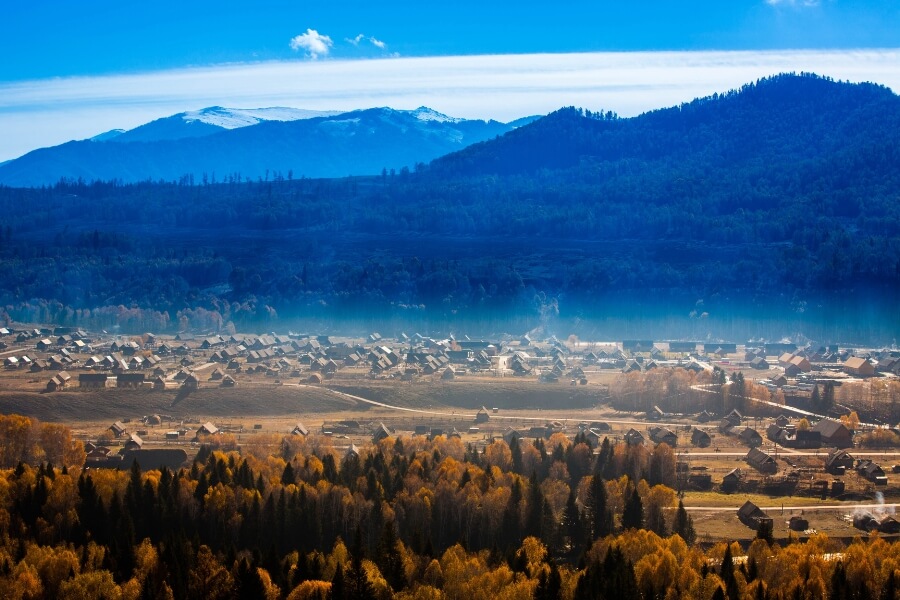
In places like Hemu and Kanas, travelers may spend Mid-Autumn evenings around bonfires, wooden cabins, or open mountain landscapes beneath unusually clear skies. Some guesthouses organize informal moon-viewing evenings with tea, snacks, storytelling, and local music.
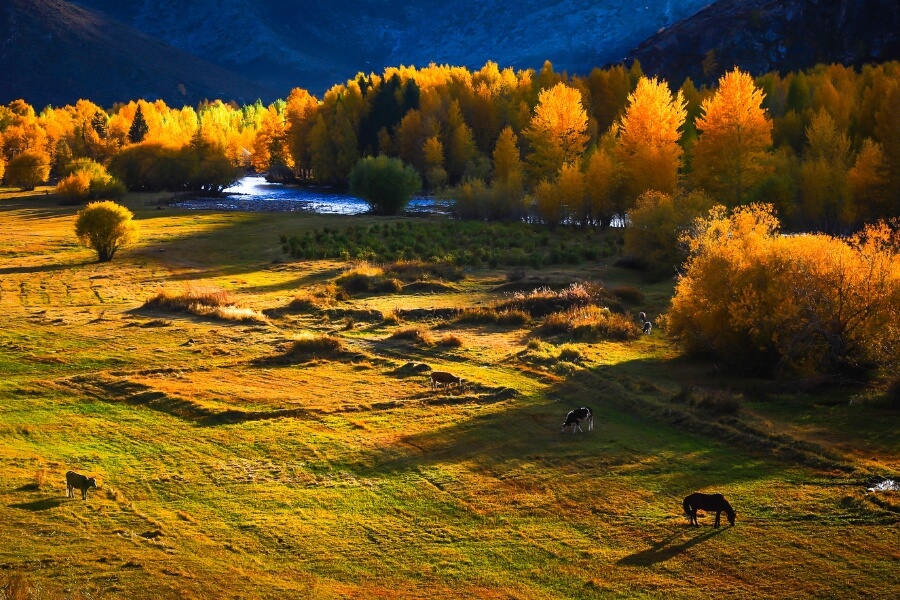
By late September, Altay usually reaches peak autumn color season. Golden birch forests, cold night air, smoke rising from wooden houses, and bright moonlight create some of the most photogenic autumn scenery in China.
The scenery is spectacular, but travelers should also prepare for practical realities. Temperatures can drop quickly after sunset, roads between scenic areas remain long, and some mountain routes require several consecutive driving days.
Many first-time Xinjiang travelers underestimate how large northern Xinjiang actually is. A route that appears close on a map may still involve five to eight hours of driving through mountain roads or grassland highways.
For photographers, the experience is rewarding. For travelers unfamiliar with long-distance overland travel, the pacing can feel more tiring than expected after several consecutive travel days.
Why Autumn Is One of the Best Times to Visit Xinjiang
One reason Mid-Autumn Festival works especially well for Xinjiang travel is timing.
The festival often overlaps with northern Xinjiang autumn colors, grape harvest season, cooler desert temperatures, golden poplar forests, and comfortable daytime weather.
In southern Xinjiang, places like Kashgar and Hotan remain relatively warm. In northern Xinjiang, Altay and Kanas begin entering peak photography season.
This seasonal combination attracts both domestic and international travelers, which means flights, train tickets, and hotels may become harder to book during holiday periods.
Train tickets for popular Xinjiang routes sometimes sell out quickly before the holiday begins, especially sleeper cabins on longer overnight routes. Domestic airports can also become crowded during evening departures because many Chinese travelers combine Mid-Autumn Festival with additional vacation days.
Travelers planning multi-region Xinjiang itineraries during Mid-Autumn Festival should allow extra flexibility for transportation timing. Distances in Xinjiang are much larger than many first-time visitors expect, and routes between major destinations often require full-day drives or multiple domestic flights.
Which Travelers Usually Enjoy Mid-Autumn Festival in Xinjiang Most
Photography travelers often prefer northern Xinjiang during Mid-Autumn Festival because of the combination of autumn forests, clear night skies, and traditional village scenery around Altay, Kanas, and Hemu.
Cultural travelers usually enjoy Kashgar more because the city combines Islamic architecture, Silk Road history, bazaars, tea culture, and local holiday activities in a compact area.
Family travelers often prefer slower-paced itineraries in the Ili Valley or around Urumqi, where transportation conditions are easier and travel distances are generally shorter.
First-time Xinjiang visitors usually find private transportation more comfortable than self-driving during holiday periods. Long desert highways, changing weather, holiday traffic, and language barriers can make route pacing more complicated than many travelers initially expect.
This becomes especially noticeable after several consecutive travel days. Travelers who originally plan aggressive multi-city schedules often end up shortening routes once they experience the actual driving distances between destinations.
What First-Time Travelers Should Know
Mooncakes Are Much Heavier Than Most Travelers Expect
Many visitors over-order mooncakes because they appear small. In reality, they are dense and filling.
Sharing several flavors with a group is usually a better experience than eating a whole mooncake alone.
Some Traditional Flavors May Surprise First-Time Visitors
Five-kernel mooncakes, salted egg yolks, and savory meat fillings may feel unfamiliar for travelers expecting Western-style desserts.
Beginners often prefer custard mooncakes, snow skin mooncakes, red bean paste fillings, or lighter nut-based varieties.
Festival Travel Can Become Crowded
Mid-Autumn Festival is a major holiday period in China. Flights, trains, hotels, and major scenic areas may become busier than usual.
In Xinjiang, holiday traffic can also increase travel times on long-distance routes between destinations such as Kashgar, Hotan, Urumqi, and northern Xinjiang scenic regions.
Weather Changes Quickly in Xinjiang
Late September and early October can bring large temperature differences between daytime and nighttime conditions, especially in Altay and mountain areas.
Travelers should prepare layers even if daytime temperatures initially feel warm.
English Support Remains Limited in Many Areas
Large hotels in major cities usually provide some English assistance, but smaller restaurants, local bakeries, night markets, and county-level destinations often operate entirely in Chinese or local ethnic languages.
This becomes especially noticeable during holidays when transportation systems and tourist areas become busier.
Many first-time visitors therefore prefer guided or privately arranged Xinjiang trips during festival periods because the overall experience becomes smoother and less tiring, especially on multi-city routes involving long-distance driving.
FAQ
Q1: Is Mid-Autumn Festival crowded in Xinjiang?
Yes. Mid-Autumn Festival is a busy domestic travel period in China, especially in popular areas like Kashgar, Altay, Kanas, and Hemu. Flights, trains, and hotels can fill quickly during holiday weeks. Travelers planning multi-city Xinjiang routes usually benefit from booking transportation and accommodations well in advance.
Q2: Is Xinjiang cold during Mid-Autumn Festival?
It depends on the region. Southern Xinjiang cities like Kashgar and Hotan usually remain comfortable in September, while northern Xinjiang areas such as Altay, Kanas, and Hemu can become cold after sunset. Large day-night temperature differences are common, especially in mountain and grassland regions.
Q3: Can foreign travelers join local Mid-Autumn celebrations?
Yes. Many public events, bazaars, lantern displays, and food markets are open to visitors during Mid-Autumn Festival. In smaller towns and guesthouses, travelers may also encounter informal local gatherings, tea sharing, moon-viewing activities, or community celebrations that feel more personal and less tourist-oriented.
Q4: Which Xinjiang destination is best during Mid-Autumn Festival?
Kashgar is usually best for Silk Road culture, bazaars, and local holiday atmosphere, while Altay, Kanas, and Hemu are better for autumn scenery and photography. Travelers looking for slower-paced family trips often prefer the Ili Valley or areas closer to Urumqi with shorter driving distances and easier logistics.
Further Reading
Mid-Autumn Moon Festival 2026 – How and When to Celebrate in China Mid-Autumn Festival in Xinjiang – What Travelers Can Expect in 2026