Chinese food varies dramatically across regions, cities, and neighborhoods. A meal in Beijing can feel completely different from one in Chengdu or Guangzhou.
For first-time visitors, the biggest challenge usually isn't finding food — it's knowing what to order. Some dishes are mild and beginner-friendly, while others are intensely spicy or designed for group dining.
This guide introduces 15 of the most popular Chinese dishes travelers are most likely to encounter across China, including what they taste like, where to try them, and what to expect before ordering.
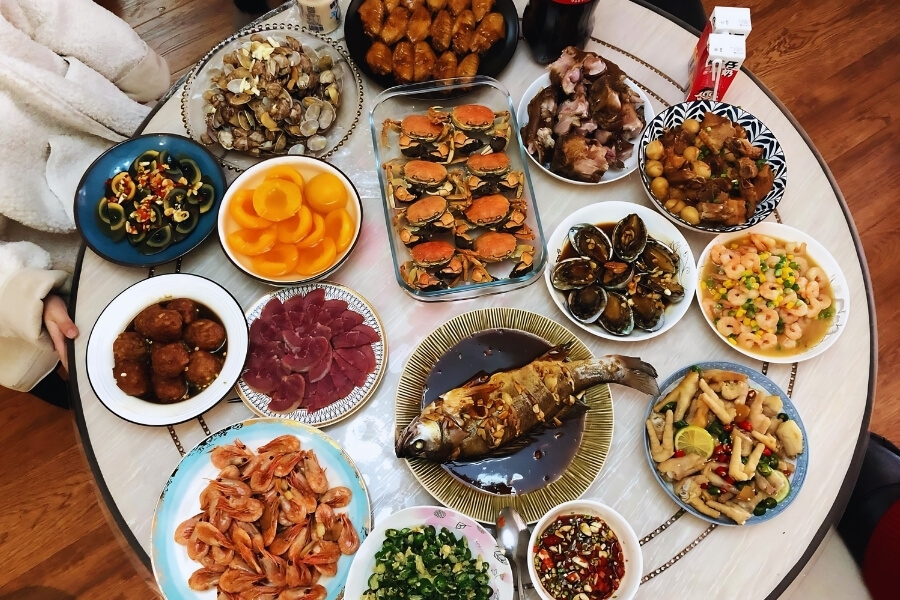
Must-Try Chinese Dishes for First-Time Visitors
| Dish | Flavor | Best City | Spice Level | First-Time Friendly | Meal Type |
|---|---|---|---|---|---|
| Peking Duck | Crispy skin, tender meat | Beijing | Mild | Very Easy | Lunch/Dinner |
| Dumplings | Savory filling, chewy wrapper | Beijing, Xi'an | Mild | Very Easy | Lunch/Dinner |
| Kung Pao Chicken | Slightly sweet, savory, nutty | Chengdu | Medium | Medium | Lunch/Dinner |
| Fried Rice | Mild, savory | Nationwide | Mild | Very Easy | Breakfast/Lunch/Dinner |
Peking Duck — Beijing Roast Duck
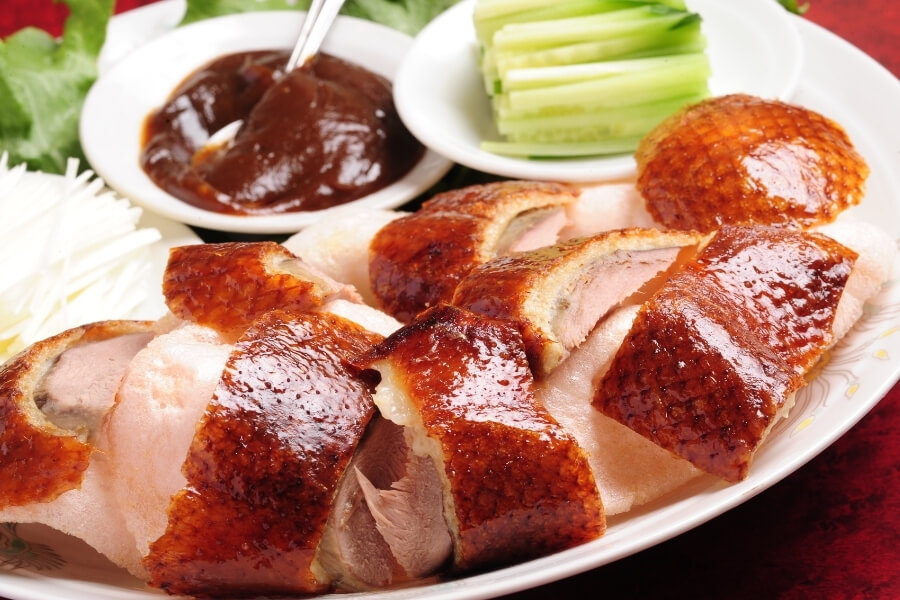
Peking duck (北京烤鸭) is one of China's most famous dishes. The duck is roasted until the skin is crisp and the meat remains tender.
It's served with:
Thin pancakes
Sliced scallions
Cucumber
Sweet bean sauce
Travelers wrap the duck and condiments inside the pancake before eating.
Best place to try it — Beijing
Price: RMB 80–300+. Well-known restaurants often require reservations. This is an easy dish for first-time visitors because the flavor is approachable.
Dumplings — Jiaozi
Dumplings (饺子) are widely eaten in northern China. Fillings include pork, beef, shrimp, cabbage, or mushrooms.
Cooking methods:
Boiled
Steamed
Pan-fried
Dumplings are traditionally eaten at Chinese New Year, symbolizing wealth and prosperity.
Best places to try — Beijing, Xi'an, Harbin
A safe and beginner-friendly choice, flavorful but not spicy.
Kung Pao Chicken
Kung Pao chicken (宫保鸡丁) is a Sichuan dish made with diced chicken, dried chili peppers, peanuts, and sauce.
Flavor profile:
Slightly sweet
Savory
Lightly spicy
Nutty
Best place to try — Chengdu
Restaurants can adjust spice levels. Westernized versions are often sweeter and less spicy.
Fried Rice
Fried rice (炒饭) is made by stir-frying rice with eggs, vegetables, meat, or seafood. Yangzhou fried rice is most famous, typically including shrimp, egg, peas, and barbecued pork.
Best place to try — Nationwide
Mild, easy for first-time travelers, suitable for breakfast, lunch, or dinner.
Chinese Dishes Perfect for Sharing with Friends
| Dish | Flavor | Best City | Spice Level | First-Time Friendly | Meal Type |
|---|---|---|---|---|---|
| Hot Pot | Spicy, savory, numbing | Chengdu, Chongqing | High | Medium | Lunch/Dinner |
| Dim Sum | Light, savory | Guangzhou, Hong Kong | Low | Easy | Breakfast/Lunch |
| Twice-Cooked Pork | Savory, slightly spicy | Chengdu | Medium | Medium | Lunch/Dinner |
| Char Siu | Sweet-savory | Guangzhou, Hong Kong | Low | Easy | Lunch/Dinner |
Hot Pot
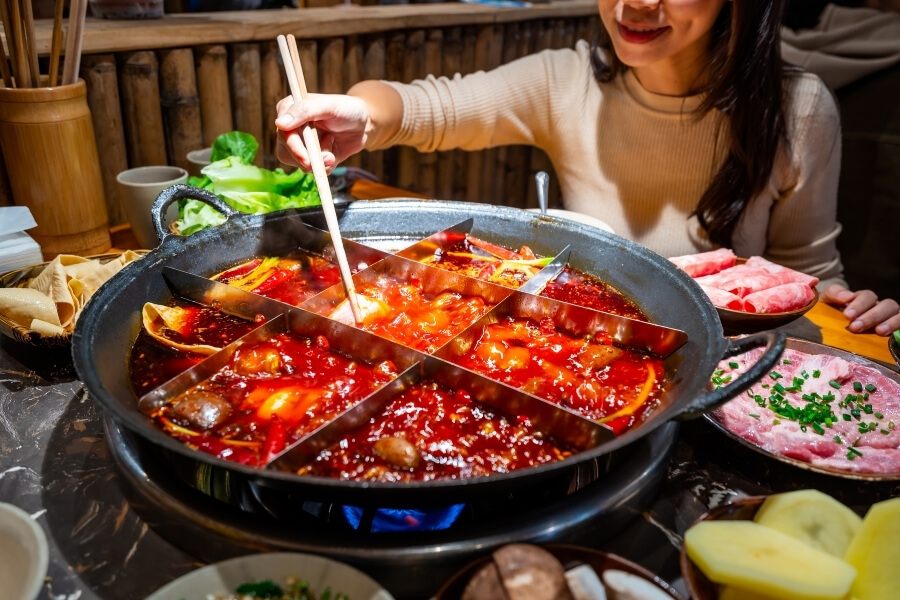
Hot pot (火锅) is a social dining experience. Diners cook raw meat, vegetables, tofu, noodles, and seafood in a simmering pot at the table.
Regional variations:
Chengdu/Chongqing: very spicy
Beijing: mild lamb broth
Yunnan: mushroom-based
Guangdong: seafood-focused
Meals last 1–2 hours and are best with groups. Split pots with mild broth are recommended for first-time visitors.
Hiorient Travel can help travelers select restaurants and navigate regional flavors for a smoother experience.
Dim Sum
Dim sum (点心) consists of small plates eaten with tea. Typical dishes:
Shrimp dumplings
Shumai
BBQ pork buns
Rice noodle rolls
Best places — Guangzhou, Hong Kong
Served mainly in the morning or at lunch. Perfect for trying many dishes without committing to a full meal.
Twice-Cooked Pork
Twice-cooked pork (回锅肉) is a Sichuan dish made from pork belly, first boiled then stir-fried with chili bean paste and garlic shoots.
Best place — Chengdu
Flavor is savory, slightly spicy. Usually eaten with rice.
Char Siu — Cantonese BBQ Pork
Char siu (叉烧) is roasted pork with a sweet-savory glaze.
Served with:
Rice
Noodles
Inside buns
Best places — Guangzhou, Hong Kong
Milder, easy for first-time visitors, often a quick lunch choice.
Regional Chinese Dishes You Should Travel to Taste
| Dish | Flavor | Best City | Spice Level | First-Time Friendly | Meal Type |
|---|---|---|---|---|---|
| Mapo Tofu | Spicy, numbing | Chengdu | High | Medium | Lunch/Dinner |
| Shui Zhu Pork Slices | Spicy, savory | Sichuan Province | High | Medium | Lunch/Dinner |
| Xiaolongbao | Savory, juicy soup | Shanghai | Low | Medium | Breakfast/Lunch |
| Zhajiangmian | Savory, slightly sweet | Beijing | Low | Easy | Lunch/Dinner |
Mapo Tofu
Soft tofu with minced meat in chili bean paste. Famous for “mala” — spicy and numbing.
Best place — Chengdu
Pair with rice if spice is intense.
Shui Zhu Pork Slices
Thin pork slices in spicy broth with vegetables and chili oil.
Best place — Sichuan
Recommended for travelers familiar with spicy food.
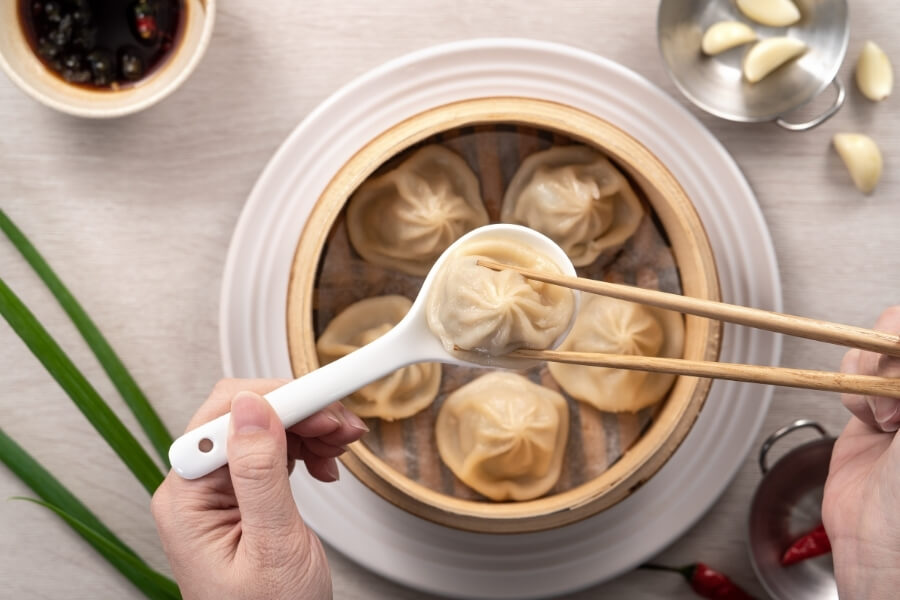
Xiaolongbao — Soup Dumplings
Steamed buns with pork and hot broth. Bite a small opening first, drink the soup, then eat the dumpling.
Best place — Shanghai
Soup is extremely hot immediately after steaming.
Zhajiangmian — Fried Sauce Noodles
Noodles with thick soybean paste sauce and minced pork, served with cucumber and bean sprouts.
Best place — Beijing
Flavor is salty, savory, slightly sweet, more approachable than spicy Sichuan dishes.
Breakfast and Street Foods You Can't Miss
| Dish | Flavor | Best City | Spice Level | First-Time Friendly | Meal Type |
|---|---|---|---|---|---|
| Wonton Soup | Mild, savory | Shanghai, Guangzhou | Low | Easy | Breakfast/Lunch |
| Jianbing | Savory, crisp | Tianjin, Beijing | Low | Medium | Breakfast |
| Baozi | Savory/sweet | Nationwide | Low | Easy | Breakfast/Snack |
| Congee | Mild, creamy | Guangdong | Low | Easy | Breakfast |
Travel Tips for Enjoying Chinese Food
Spice Levels — Sichuan and Hunan dishes can be very spicy. Request “少辣” (shǎo là) if you prefer mild.
Sharing Meals — Dishes are placed in the center to share. For small groups, 3–5 dishes plus rice and soup is usually enough.
Street Food Safety — Busy vendors with high turnover are generally safer.
Allergies — Peanuts, sesame, soy, and shellfish are widely used. Carry translated allergy cards.
Hiorient Travel can guide you to local restaurants, help with tasting experiences, and show regional food differences for a smoother journey.
FAQ
Q1: What Chinese dishes are best for first-time visitors?
Fried rice, dumplings, Peking duck, and wonton soup are mild, easy to eat, and widely available, ideal for first-time travelers exploring Chinese cuisine.
Q2: Which Chinese foods are usually very spicy?
Sichuan dishes such as hot pot, mapo tofu, and shui zhu pork slices are highly spicy and numbing due to chili oil and Sichuan peppercorns.
Q3: What should travelers try in Beijing?
Iconic Beijing foods include Peking duck, zhajiangmian, dumplings, and jianbing, each representing local flavors and popular eating experiences.
Q4: Is hot pot suitable for solo travelers?
Hot pot is designed for groups, as portions are shared and meals are social. Some restaurants now offer individual pots, but it's generally better with two or more people.
Q5: What Chinese foods are commonly eaten for breakfast?
Congee, baozi, jianbing, soy milk, and wonton soup are typical breakfasts, offering mild flavors, filling portions, and easy-to-find options for travelers.
Discover Authentic Chinese Cuisine with Hiorient Travel
Food in China changes dramatically from region to region. A bowl of noodles in Lanzhou tastes different from noodles in Shanghai or Chengdu.
Hiorient Travel can design journeys combining regional food, local culture, and Silk Road history. Popular routes include:
Beijing roast duck and northern noodles
Xi'an Muslim Quarter snacks
Lanzhou hand-pulled beef noodles
Chengdu hot pot and Sichuan cuisine
Xinjiang lamb skewers, naan, and pilaf
Along the Silk Road, food reflects centuries of cultural exchange among Han, Hui, Uyghur, Tibetan, and Central Asian communities.
Customized journeys can combine local markets, night food streets, traditional cooking, desert landscapes, and ethnic culture into one travel experience.