Lucky Chinese New Year foods are believed to bring prosperity, harmony, happiness, and good fortune for the year ahead. During the Year of the Goat 2027, symbolic dishes such as fish, dumplings, longevity noodles, spring rolls, and tangyuan will appear across family reunion dinners, restaurant banquets, and holiday markets throughout China.
For first-time visitors to China, Lunar New Year is not only a festival of fireworks and red lanterns. It is also deeply connected to food traditions, family gatherings, and cultural symbolism. Many dishes are chosen because their names sound similar to lucky Chinese phrases, while others represent wealth, unity, or long life through their shape and color.
Travelers visiting China during Spring Festival often notice large family-style meals, crowded restaurants, festive food markets, and regional specialties that vary from north China to Xinjiang and the Silk Road region.
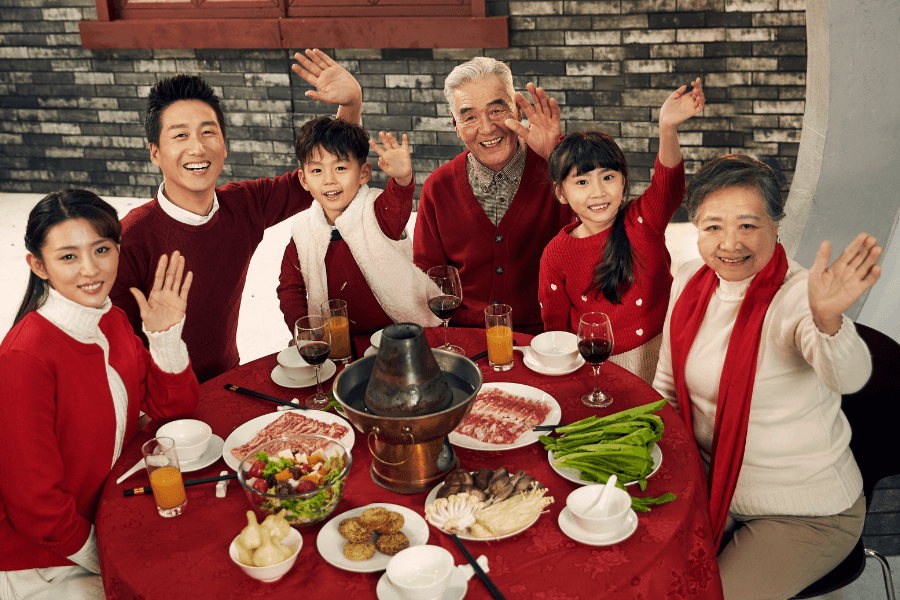
Why Chinese New Year Food Matters
Food is one of the most important parts of Lunar New Year celebrations across China. Families spend days preparing reunion dinners, visiting relatives, and sharing symbolic dishes believed to bring luck into the new year.
Unlike ordinary holiday meals, Chinese New Year dishes often carry hidden meanings connected to pronunciation, appearance, or tradition. Round foods symbolize togetherness. Golden foods represent wealth. Long noodles symbolize longevity. Certain dishes are intentionally left unfinished to represent surplus for the coming year.
For many Chinese families, the reunion dinner on Lunar New Year's Eve matters as much as the festival itself. Travelers visiting China during this period quickly notice that food is often at the center of family gatherings, social visits, and holiday celebrations.
What the Year of the Goat Means in 2027
2027 is the Year of the Goat in the Chinese zodiac cycle. In Chinese culture, the goat is associated with harmony, gentleness, kindness, family warmth, and peaceful living.
The Chinese character connected to goat or sheep is also linked to the idea of auspiciousness and blessings. Because of this, foods related to reunion, comfort, prosperity, and harmony feel especially meaningful during Goat Year celebrations.
Many families focus on warm shared dishes that emphasize togetherness rather than extravagance. In some western China regions, including parts of Xinjiang, lamb dishes may also appear more frequently during holiday gatherings because of their cultural connection to sheep and goat symbolism.
12 Lucky Foods Chinese Families Eat During Lunar New Year
Fish — Why It Symbolizes Abundance
Fish is one of the most important Chinese New Year foods because the Chinese word for fish, “yu,” sounds similar to the word for surplus or abundance.
Many families intentionally leave part of the fish unfinished during New Year's Eve dinner to symbolize having extra wealth and prosperity every year. Whole fish is preferred because it represents completeness and a strong beginning and ending to the year.
In different regions of China, certain fish varieties carry additional lucky meanings through wordplay and pronunciation.
Travelers attending traditional reunion dinners in China often notice that the fish is served last and partially left untouched as part of the holiday tradition.
Lucky saying
“Niánnián yǒu yú” — May you have abundance every year.
Dumplings — A Symbol of Wealth and Family Luck
Dumplings symbolize wealth because their shape resembles ancient Chinese silver ingots.
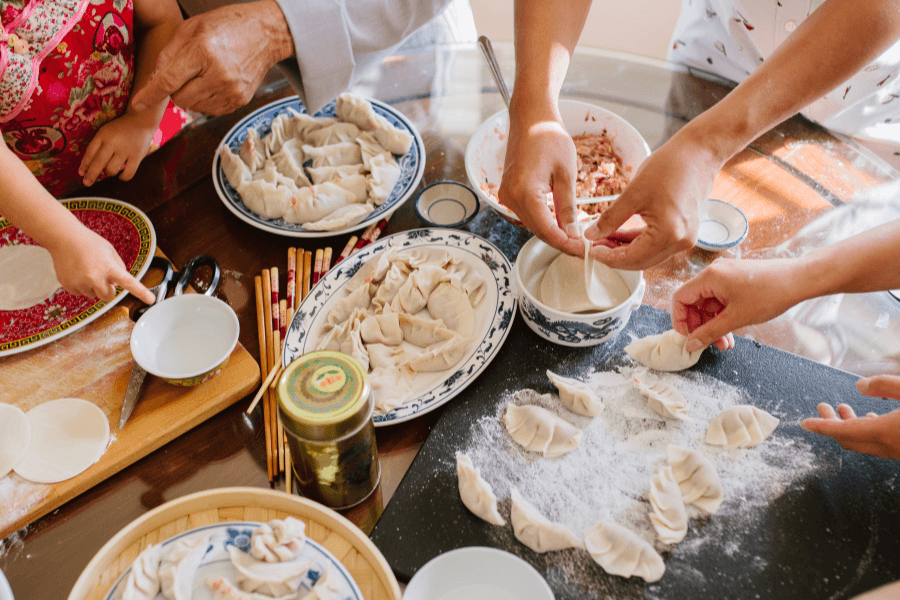
In northern China, families often gather together on New Year's Eve to make dumplings by hand. Some families place a coin or red date inside one dumpling. The person who finds it is believed to receive extra luck in the coming year.
During Spring Festival, travelers in northern China often see families gathering late into the evening to make dumplings together by hand. In many local neighborhoods, dumpling restaurants remain especially busy on Lunar New Year's Eve.
Lucky saying
“Zhāo cái jìn bǎo” — Bringing in wealth and treasure.
Whole Chicken — A Wish for Unity and Good Fortune
A whole chicken symbolizes family unity, completeness, and prosperity. The Chinese pronunciation for chicken is connected to the word “ji,” which sounds similar to luck and auspiciousness.
The chicken is traditionally served whole, including the head and feet, to represent a complete and successful year from beginning to end.
In some families, chicken feet are jokingly given to the main breadwinner because they symbolize “grabbing” wealth.
Lucky saying
“Jíxiáng rúyì” — Wishing you luck and everything as you hope.
Nian Gao — Rising Higher in the New Year
Nian gao, or sticky rice cake, symbolizes growth, promotion, and improving life year after year.
Its name sounds similar to the phrase “higher every year” in Chinese. Families eat nian gao to wish for better careers, academic success, improved health, and financial progress.
Depending on the region, nian gao may be sweet or savory, steamed or pan-fried.
Travelers visiting southern China during the holiday season may notice nian gao sold in traditional markets, gift boxes, and family-run bakeries before Lunar New Year begins.
Lucky saying
“Niánnián gāo” — Rising higher year after year.
Spring Rolls — Golden Symbols of Wealth
Golden spring rolls resemble gold bars, making them a symbol of wealth and financial success.
They are especially popular in southern China and Cantonese cuisine during Spring Festival celebrations. Most spring rolls are filled with vegetables, pork, or sweet fillings before being deep-fried until crispy.
In major cities, spring rolls frequently appear in hotel holiday buffets and family banquet restaurants during the New Year season.
Lucky saying
“Huángjīn wàn liǎng” — A mountain of gold and wealth.
Tangyuan — Sweet Reunion for Families
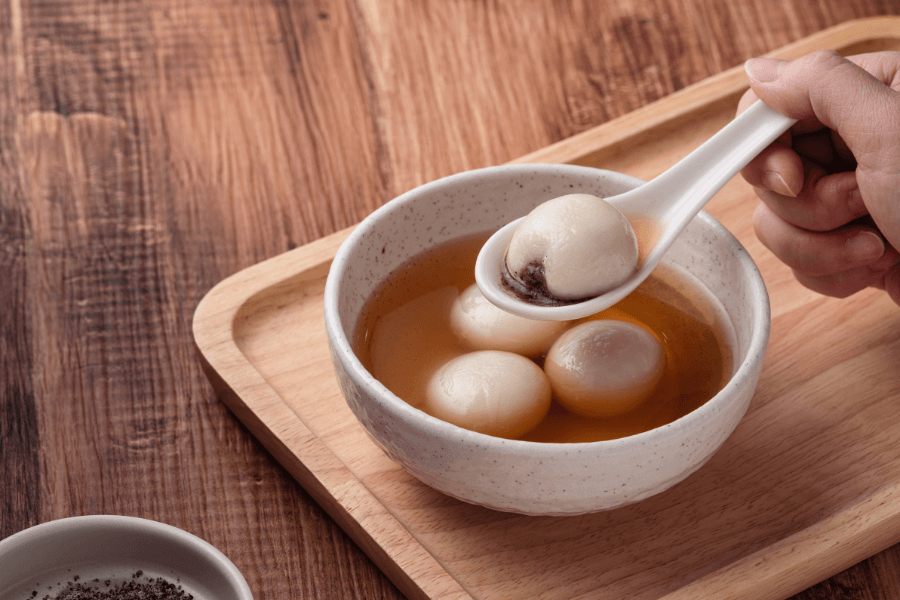
Tangyuan are sweet glutinous rice balls commonly eaten during the Lantern Festival and throughout the Chinese New Year season.
Their round shape symbolizes family unity and togetherness. The pronunciation of tangyuan also sounds similar to the Chinese word for reunion.
Popular fillings include black sesame, peanut, and red bean paste.
Lantern Festival markets often sell fresh tangyuan at temporary street stalls crowded with local families and holiday visitors.
Lucky saying
“Tuántuán yuányuán” — Family reunion and happiness.
Longevity Noodles — Wishes for Long Life
Long noodles symbolize longevity, health, and happiness.
Traditionally, the noodles should not be cut during cooking or broken while eating because unbroken noodles represent a long and complete life.
For many first-time visitors to China, this custom is one of the most memorable examples of how symbolism influences Chinese food culture.
Lucky saying
“Jiànkāng chángshòu” — Wishing health and long life.
Lion's Head Meatballs — Strength and Togetherness
Lion's Head meatballs are large pork meatballs commonly served in eastern China during holiday banquets.
The lion represents strength and protection, while the round meatballs symbolize family unity and togetherness.
They are usually braised or steamed and served with vegetables. In traditional banquet restaurants, this dish is often shared among several generations sitting around one table.
Lucky saying
“Héjiā tuányuán” — Family reunion and harmony.
Steamed Pork Belly with Taro — Prosperity and Blessings
This traditional southern Chinese dish symbolizes wealth, abundance, and a prosperous life.
The layered pork belly and taro are steamed until soft and tender. Pork represents richness and blessing, while taro is associated with harvest and stability.
The dish is especially common in Cantonese family reunion dinners and large holiday banquets.
Lucky saying
“Fùguì rónghuá” — Prosperity and honor.
Shrimp — Happiness and Celebration
Shrimp symbolizes happiness and positive energy because the Cantonese pronunciation sounds similar to laughter.
Bright red shrimp dishes are especially popular during Lunar New Year banquets because red is associated with luck and celebration in Chinese culture.
Seafood dishes are particularly common in southern coastal regions during Spring Festival, especially in Guangzhou and Hong Kong-style reunion dinners.
Lucky saying
“Xiàokǒu chángkāi” — May you always smile and laugh.
Lucky Vegetables — Wealth, Harmony, and Renewal
Certain vegetables are believed to bring wealth, harmony, and fresh beginnings during the new year.
Lettuce sounds similar to the phrase “growing wealth” in Cantonese. Bok choy symbolizes luck and prosperity, while Chinese broccoli is associated with harmony and smooth relationships.
Many families prefer green vegetables during Spring Festival because they represent vitality and renewal.
Lucky saying
“Héqì shēngcái” — Harmony brings wealth.
Oranges and Tangerines — Luck and Success
Oranges, tangerines, and pomelos are among the most common Chinese New Year fruits.
Their golden color symbolizes wealth and success, while their pronunciation sounds similar to lucky Chinese words related to fortune and achievement.
Travelers visiting China before Lunar New Year often notice decorative fruit gift boxes appearing in hotels, supermarkets, train stations, and holiday markets across the country.
Lucky saying
“Dàjí dàlì” — Great luck and prosperity.
What First-Time Visitors Notice About Chinese New Year Meals
Chinese New Year meals are usually large family-style gatherings with shared dishes placed in the center of the table.
For first-time visitors to China, reunion dinners may feel very different from Western holiday meals. Families often order far more dishes than necessary because abundance symbolizes prosperity.
Restaurants in major cities can become extremely busy during the holiday period. In smaller cities and some parts of Xinjiang, family-run restaurants may temporarily close so owners can return home for celebrations.
Travelers should also expect increased transportation crowds during Spring Festival travel season, especially around train stations and airports. Popular restaurants in Beijing, Shanghai, Chengdu, and Xi'an are often fully booked several days in advance during the peak holiday period.
In Xinjiang, winter temperatures can become extremely cold in some northern regions, while southern Silk Road cities such as Kashgar are generally less crowded than eastern China megacities during the Spring Festival season.
English support may also become more limited during the holiday week because many temporary staff members return home. Travelers unfamiliar with China logistics often find private transportation and bilingual assistance especially helpful during this period.
How Chinese New Year Foods Change Across China
Chinese New Year foods vary widely across different regions of China.
In northern China, dumplings and noodles are central to reunion dinners. Southern China prefers tangyuan, seafood dishes, and sweet rice cakes.
Cantonese celebrations often feature seafood, roasted meats, and prosperity dishes linked to business success.
In Xinjiang and the Silk Road region, Lunar New Year meals may combine Han Chinese traditions with local Muslim and Central Asian influences. Visitors may encounter lamb dishes, naan bread, hand-pulled noodles, dried fruits, nuts, and large shared platters during holiday gatherings.
This regional diversity is one reason many travelers find Chinese New Year such a fascinating cultural experience.
How Lunar New Year Feels Different in Xinjiang
Compared with eastern China's largest cities, Lunar New Year in Xinjiang often feels calmer and more spacious, especially outside major commercial districts.
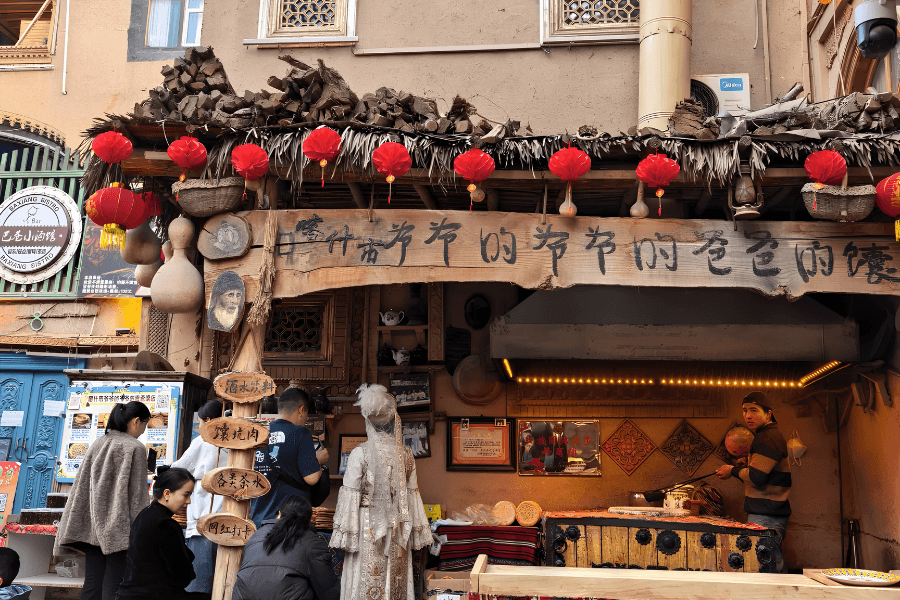
Travelers may encounter a mix of Han Chinese Spring Festival traditions alongside Uyghur, Kazakh, and other ethnic minority food cultures. Holiday markets can include dried fruits, nuts, naan bread, lamb skewers, and regional Silk Road snacks that are less common in eastern China.
Winter bazaars in Kashgar and other southern Xinjiang cities often maintain a strong local atmosphere during the holiday season. Instead of crowded megacity shopping districts, travelers may experience slower-paced celebrations shaped by family gatherings, neighborhood markets, and regional food traditions.
For travelers interested in experiencing a different side of Chinese New Year, Xinjiang offers a more layered cultural environment than many first-time visitors expect.
Where Travelers Can Experience Chinese New Year Food Traditions
For travelers, Chinese New Year offers one of the most immersive ways to experience Chinese culture beyond sightseeing.
Holiday markets, reunion dinners, temple fairs, lantern displays, and seasonal banquet foods create an atmosphere that feels very different from ordinary travel periods. In western China, including Xinjiang and the Silk Road corridor, Spring Festival celebrations can also reflect local ethnic traditions and regional food culture.
Cities such as Beijing, Xi'an, Chengdu, Guangzhou, and Kashgar all offer different styles of Lunar New Year experiences. Some travelers prefer large lantern festivals and busy city celebrations, while others prefer quieter Silk Road destinations with more flexible pacing.
Because Spring Festival is one of China's busiest travel periods, transportation planning becomes much more important than usual. Private transportation and local bilingual coordination can make holiday travel significantly easier, especially for first-time visitors unfamiliar with China's booking systems and seasonal travel pressure.
Hiorient Travel provides customized English-speaking China and Xinjiang tours designed for travelers who want smoother logistics, more comfortable pacing, and deeper cultural access during major holiday periods. Customized itineraries can also help travelers avoid rushed schedules, transportation stress, and language barriers during Lunar New Year travel.
Foods Many Chinese Families Avoid During Lunar New Year
Some foods are traditionally avoided during Lunar New Year because they are associated with negative symbolism.
Porridge or congee may represent poverty or hardship. White foods such as tofu can be linked to mourning traditions in some regions. Bitter foods are avoided because they symbolize difficult times ahead.
Broken foods or damaged dishes are also considered unlucky because completeness and harmony are highly valued during the holiday season.
FAQ
Q1: Why is fish so important during Chinese New Year?
Fish symbolizes abundance because the Chinese word for fish sounds similar to the word for “surplus.” Many families intentionally leave part of the fish unfinished during New Year's Eve dinner to represent continued prosperity and extra blessings in the coming year.
Q2: Can travelers experience Chinese New Year meals in Xinjiang?
Yes. Travelers visiting Xinjiang during Spring Festival can experience a mix of Han Chinese reunion dinners and regional Silk Road food traditions. Depending on the destination, holiday meals may include lamb dishes, naan bread, dried fruits, hand-pulled noodles, and lively local markets.
Q3: Do hotels in China serve special Lunar New Year dishes?
Many hotels in China prepare special Spring Festival menus during Lunar New Year. In major tourist cities, buffet dinners and banquet restaurants often include symbolic dishes such as fish, dumplings, longevity noodles, rice cakes, and seasonal desserts connected to holiday traditions.
Q4: Is Spring Festival a difficult time for first-time visitors to China?
Spring Festival can feel overwhelming for first-time visitors because transportation crowds increase significantly and some local businesses temporarily close. Advance planning, flexible schedules, and bilingual travel support can make the holiday experience much smoother and less stressful.
Q5: Do restaurants require reservations during Chinese New Year?
Yes. Popular restaurants in major Chinese cities are often fully booked during the Spring Festival holiday, especially on Lunar New Year's Eve. Travelers planning reunion dinners or holiday banquets should usually make reservations several days in advance.
Conclusion
Chinese New Year foods are much more than holiday dishes. They represent wishes for prosperity, harmony, happiness, health, and family reunion in the year ahead.
During the Year of the Goat 2027, these symbolic foods continue to connect modern celebrations with centuries of Chinese cultural tradition. For travelers, experiencing Lunar New Year meals in China offers a deeper understanding of family life, regional customs, and the meaning behind one of Asia's most important festivals.
For travelers interested in exploring Chinese New Year traditions beyond the major tourist cities, Xinjiang and the Silk Road region offer a different perspective on the holiday season. From Kashgar's winter bazaars to regional family banquet traditions, many visitors discover a slower-paced and more locally rooted side of Spring Festival celebrations.
Hiorient Travel provides customized English-speaking Xinjiang and Silk Road journeys with bilingual coordination, route planning support, and flexible travel pacing designed for first-time China travelers. During busy holiday seasons such as Lunar New Year, experienced local coordination can help reduce transportation stress, language barriers, and logistical uncertainty while making cultural experiences easier to access.