Turpan is one of China's most fascinating destinations, combining Silk Road history, cultural heritage, and unforgettable scenery. Travelers can explore famous landmarks, historic streets, museums, temples, and local markets while discovering authentic traditions and regional cuisine. The city's unique role in trade, culture, and history makes it an ideal destination for visitors seeking both education and adventure. From iconic attractions to hidden local gems, every journey offers memorable experiences, beautiful photography opportunities, and meaningful cultural encounters. Whether visiting for a short holiday or an extended tour, professional local guides can help travelers experience the destination's highlights comfortably and efficiently. Plan your trip to discover centuries of history, remarkable architecture, welcoming local culture, and the timeless beauty that continues to attract visitors from around the world.
Why Visit Turpan?
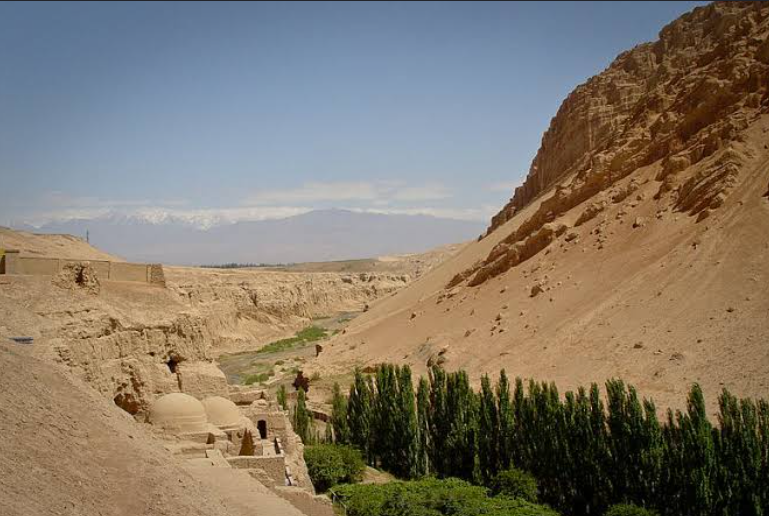
Turpan is one of the best places to experience the history and culture of the ancient Silk Road. Its unique combination of desert landscapes, historic ruins, and traditional Uyghur culture makes it unlike any other destination in China.
Visitors come to Turpan to enjoy:
Ancient Silk Road heritage
Karez underground irrigation system
Flaming Mountains
Jiaohe Ancient City
Gaochang Ancient City
Grape Valley
Traditional Uyghur villages
Desert scenery
Historic mosques and minarets
Authentic Xinjiang cuisine
Turpan offers an unforgettable blend of history, culture, and natural beauty.
The History of Turpan
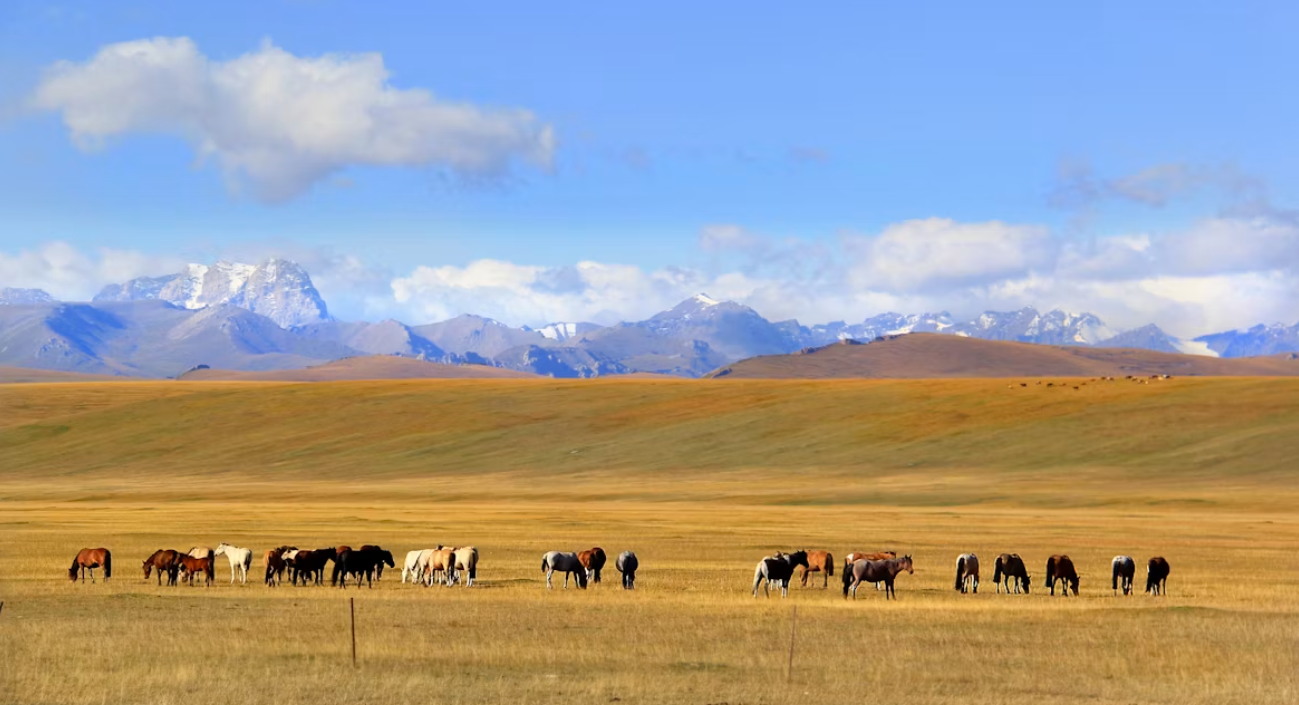
For over two thousand years, Turpan served as one of the most important oasis cities along the Silk Road. Merchants traveling between China, Central Asia, Persia, and Europe stopped here to rest, trade goods, and exchange cultures before continuing across the vast deserts of Xinjiang.
Its strategic location helped Turpan become a thriving center for commerce, agriculture, and religion. Ancient kingdoms flourished here, leaving behind remarkable archaeological sites that continue to attract historians and travelers from around the world.
Today, visitors can explore well-preserved ruins, ancient irrigation systems, and traditional neighborhoods that tell the story of Turpan's rich past.
Flaming Mountains – Turpan's Most Famous Landmark
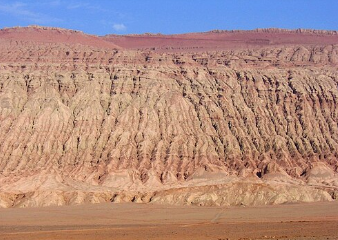
The Flaming Mountains are one of Xinjiang's most recognizable natural attractions. Their bright red sandstone cliffs appear to glow under the intense desert sun, giving the mountains their famous name.
The area became internationally famous through the classic Chinese novel Journey to the West, where the legendary Monkey King crossed these fiery mountains during his adventure.
Visitors can explore scenic viewpoints, hiking trails, and cultural exhibits while enjoying spectacular desert landscapes unlike anywhere else in China.
Jiaohe Ancient City
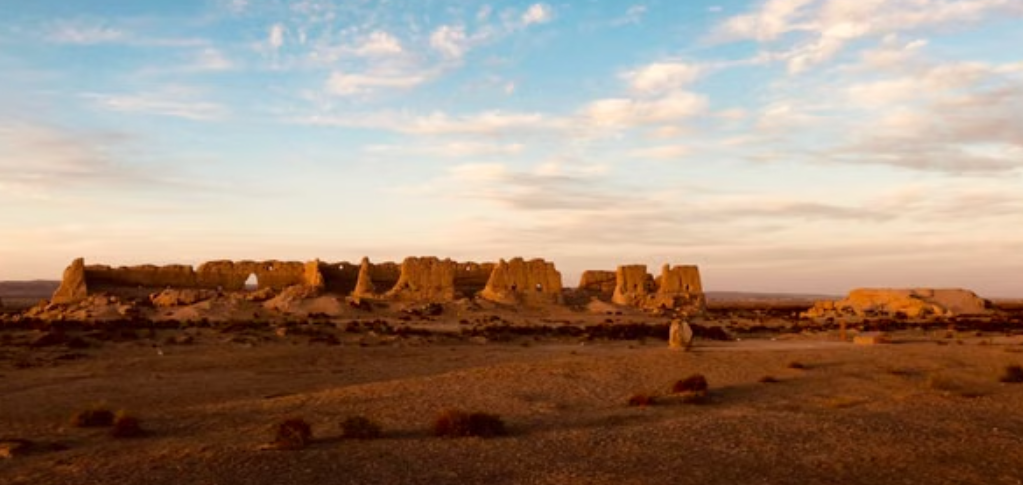
Jiaohe Ancient City is one of the world's best-preserved ancient earthen cities and a UNESCO World Heritage Site. Built over 2,000 years ago, this remarkable archaeological site once served as an important stop for merchants traveling along the Silk Road.
Walking through its narrow streets, visitors can still see the remains of temples, homes, government buildings, and defensive walls carved directly from natural earth.
The peaceful desert surroundings make Jiaohe one of Turpan's most impressive historical attractions.
Karez Wells – Ancient Engineering Wonder
One of Turpan's greatest achievements is the Karez irrigation system, an underground network of wells and tunnels that has supplied water to the oasis for centuries.
Built to transport snowmelt from the nearby Tianshan Mountains, the Karez system made farming possible in one of the driest regions of China.
Visitors can tour sections of the underground channels and learn how this remarkable engineering project helped sustain life along the Silk Road.
Grape Valley
Despite its desert climate, Turpan is famous for producing some of China's sweetest grapes. Grape Valley is a lush oasis filled with vineyards, traditional Uyghur homes, and shaded walking paths.
Visitors can sample fresh grapes, raisins, local fruit products, and traditional Xinjiang snacks while learning about the region's centuries-old grape cultivation techniques.
The valley is especially beautiful during the summer harvest season.
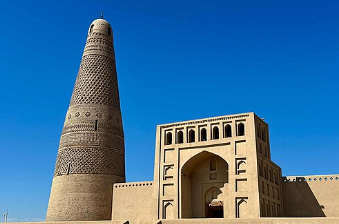
Emin Minaret
Built in 1778, the Emin Minaret is the tallest traditional Islamic minaret in China and one of Turpan's most recognizable landmarks. Constructed using distinctive brick patterns and traditional Uyghur architectural styles, it reflects the region's rich cultural diversity and Islamic heritage.
Visitors can admire its impressive design while exploring the nearby mosque and peaceful surroundings.