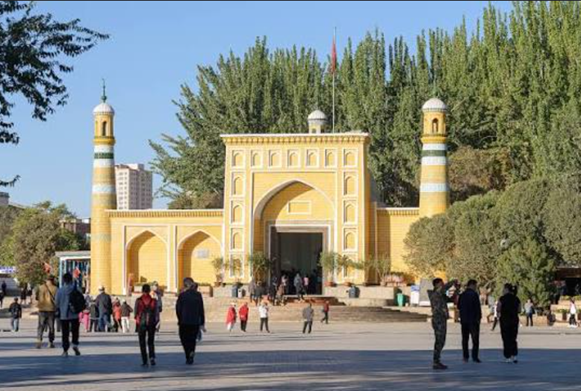
For centuries, the Silk Road connected China with Central Asia, the Middle East, and Europe, carrying silk, spices, tea, ideas, religions, and cultures across thousands of kilometers. Today, travelers can follow parts of this legendary route through some of China's most fascinating historic cities and landscapes.
From the ancient capital of Xi'an to the deserts of Gansu and the colorful markets of Xinjiang, a Silk Road journey offers a completely different side of China. Ancient ruins, Buddhist caves, desert oases, mountain scenery, traditional food, and diverse local cultures make this one of the country's most memorable travel routes.
Xi'an – Where the Silk Road Begins
Xi'an is traditionally considered the eastern starting point of the ancient Silk Road. Once known as Chang'an, the city served as an imperial capital and an important center for international trade.
Today, visitors can explore the famous Terracotta Warriors, walk along the Ancient City Wall, visit the Big Wild Goose Pagoda, and experience the lively Muslim Quarter. Xi'an is an excellent starting point for travelers who want to understand how the Silk Road shaped Chinese history.
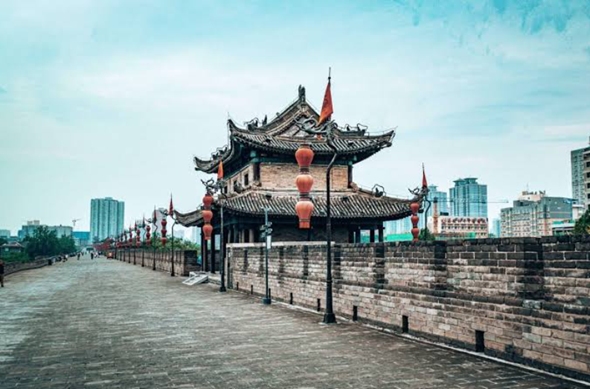
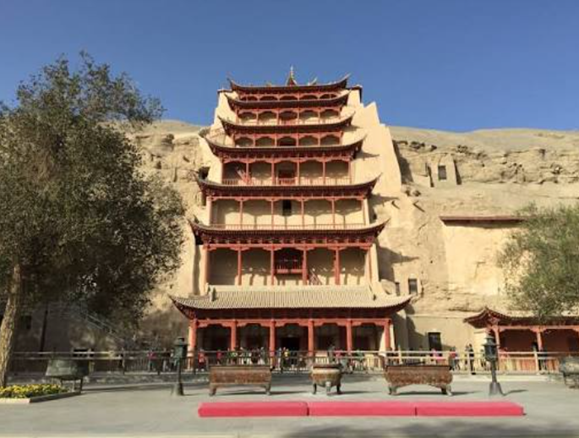
Dunhuang – Caves, History and Desert Landscapes
Located in Gansu Province, Dunhuang was an important oasis where merchants and travelers rested before continuing across the deserts of western China.
Its greatest attraction is the Mogao Caves, a remarkable collection of Buddhist cave temples filled with ancient murals and sculptures. Travelers can also visit the famous Crescent Moon Spring and experience the surrounding sand dunes.
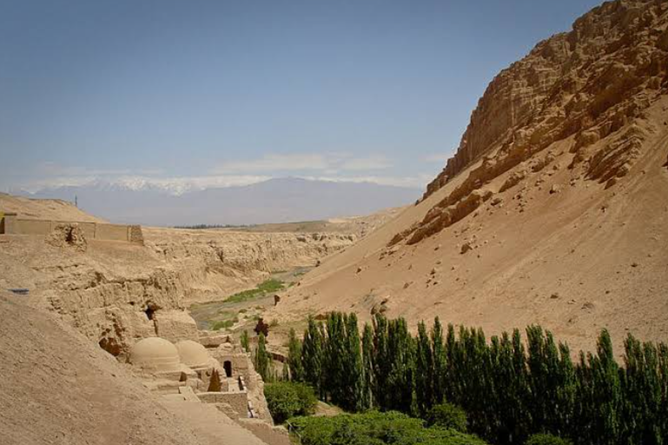
Turpan – An Ancient Oasis in Xinjiang
Turpan was another important stop for Silk Road merchants traveling through western China. Surrounded by desert and mountains, the region developed around fertile oasis communities.
Popular attractions include Jiaohe Ancient City, Gaochang Ruins, the Karez irrigation system, Flaming Mountains, Grape Valley, and Emin Minaret. Turpan is also famous for its grapes, raisins, and traditional local food.
Urumqi – Gateway to Xinjiang
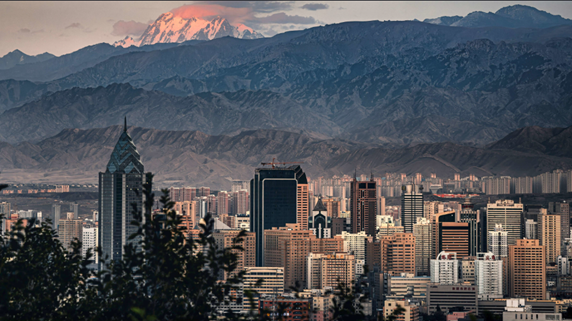
Urumqi is the capital of Xinjiang and an important transportation hub for travelers exploring the region. Although it is a modern city, its location makes it a convenient starting point for journeys into northern and southern Xinjiang.
Visitors can explore local markets, museums, restaurants, and the famous Xinjiang International Grand Bazaar. The city also provides convenient connections to destinations such as Turpan and Heavenly Lake.
Kashgar – Experience Living Silk Road Culture
Kashgar is one of the most fascinating destinations along China's Silk Road. Located in far western Xinjiang, the city was historically an important meeting point for merchants traveling between China and Central Asia.
Kashgar Old City remains the highlight for most visitors. Its narrow streets, traditional architecture, local restaurants, handicraft shops, markets, and cultural experiences create an atmosphere unlike China's larger eastern cities.
Travelers can also use Kashgar as a starting point for journeys toward Tashkurgan and the spectacular Pamir Mountains.