Traditional Xinjiang clothing is one of the most colorful expressions of the region's cultural diversity. For centuries, communities across Xinjiang have developed distinctive styles of dress influenced by local traditions, climate, geography, craftsmanship, and connections along the ancient Silk Road.
From beautifully embroidered Uyghur dresses and doppa hats to practical Kazakh clothing designed for life on the grasslands, traditional costumes provide travelers with another way to understand the people and history of Xinjiang.
Today, most residents wear modern clothing in everyday life, but traditional dress remains visible during festivals, weddings, performances, family celebrations, and cultural experiences.
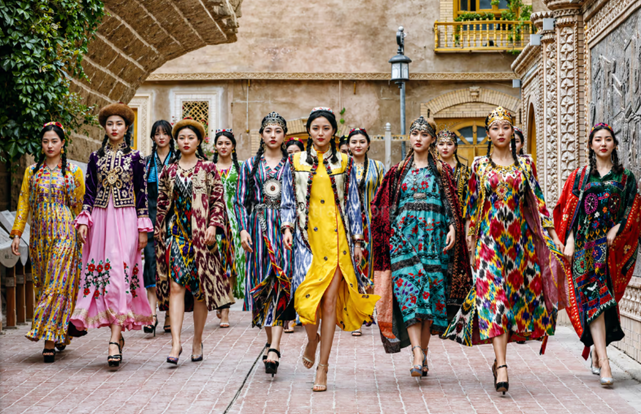
Uyghur Clothing – Colorful and Elegant
Uyghur traditional clothing is among the most recognizable styles visitors will encounter in Xinjiang.
Women's traditional dresses are often long, flowing, and brightly colored. Decorative embroidery and patterned fabrics are commonly used, while different designs can reflect local styles and traditions.
Men traditionally wore long coats, sometimes called chapan, together with shirts, trousers, boots, and embroidered caps.
Travelers are particularly likely to see traditional Uyghur clothing in Kashgar, Hotan, Turpan, and other parts of southern Xinjiang.
The Doppa – Xinjiang's Famous Embroidered Hat
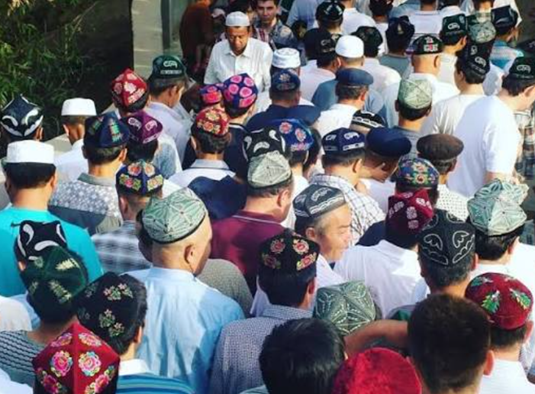
One of the most recognizable elements of Uyghur clothing is the doppa, a traditional embroidered cap.
Doppa hats appear in many different colors and patterns. Embroidery may feature flowers, geometric shapes, and other decorative designs.
Although they are not worn by everyone every day, doppa hats remain important during festivals, weddings, performances, and other cultural occasions. Travelers will also find them in markets and handicraft shops throughout southern Xinjiang.
Atlas Silk – A Symbol of Uyghur Craftsmanship
Colorful Atlas silk is another important part of traditional Uyghur clothing.
The fabric is known for its striking patterns and vibrant combinations of red, yellow, green, blue, and other colors. It is commonly used for dresses, scarves, decorative items, and cultural costumes.
Traditional Atlas silk weaving demonstrates the craftsmanship that has developed through generations of textile production and Silk Road cultural exchange.
Visitors traveling around southern Xinjiang may have opportunities to see traditional textile workshops and purchase locally produced fabrics.
Kazakh Clothing – Designed for Grassland Life
Traditional Kazakh clothing developed around a very different environment.
Many Kazakh communities historically followed pastoral lifestyles across the grasslands and mountain regions of northern Xinjiang. Clothing therefore needed to provide warmth, durability, and freedom of movement.
Traditional garments may incorporate wool, leather, fur, embroidery, and decorative headwear.
Visitors traveling through Ili, Nalati, and other northern grassland areas are more likely to encounter Kazakh traditional clothing during cultural performances, festivals, and community celebrations.
Tajik Clothing of the Pamir Mountains
Xinjiang's Tajik communities are concentrated primarily around Tashkurgan and the Pamir Mountains.
Traditional Tajik clothing reflects the colder, high-altitude environment of this region. Warm fabrics, distinctive hats, colorful embroidery, and decorative accessories are important elements of ceremonial dress.
Travelers visiting Tashkurgan may notice significant differences between Tajik clothing and the styles commonly seen in Kashgar.
Kyrgyz Traditional Clothing
Kyrgyz communities have also historically lived across mountainous and grassland areas of Central Asia and western Xinjiang.
Wool, felt, leather, and other practical materials traditionally played important roles in their clothing.
One of the most recognizable elements of Kyrgyz traditional dress is distinctive felt headwear, while ceremonial clothing may feature colorful embroidery and decorative patterns.
Clothing and the Ancient Silk Road
Xinjiang's location along the ancient Silk Road contributed significantly to its clothing traditions.
For centuries, merchants and travelers moved between China, Central Asia, Persia, and regions farther west. Along with silk, tea, spices, and other goods, these routes allowed artistic styles, textile techniques, patterns, and cultural traditions to move between communities.
This long history of exchange helps explain why traditional Xinjiang clothing can appear very different from clothing associated with eastern China.
Where Can Travelers See Traditional Clothing?
Kashgar Old City is one of the easiest places for visitors to experience traditional Uyghur clothing.
Costume photography has become particularly popular, with studios offering traditional clothing, hairstyling, makeup, and professional photography.
Traditional dress may also be seen during festivals, weddings, performances, and cultural events across Xinjiang.
Travelers exploring the Ili grasslands may encounter Kazakh clothing, while those traveling toward Tashkurgan have opportunities to learn about Tajik traditions.
Can Tourists Wear Traditional Xinjiang Clothing?
Yes. Traditional costume photography is widely available in popular tourist destinations, particularly Kashgar Old City.
Visitors can rent clothing and participate in professionally arranged photography sessions. Some experiences also include traditional hairstyling and makeup.
Travelers should remember that these clothes represent living cultures rather than simply costumes. Learning a little about the clothing and treating religious or cultural symbols respectfully makes the experience more meaningful.
Traditional Clothing in Modern Xinjiang
Modern clothing is now the standard for everyday life across most of Xinjiang. However, traditional garments remain an important way of expressing cultural heritage.
Weddings, festivals, music performances, family celebrations, tourism experiences, and community events provide opportunities for traditional clothing to continue being worn and appreciated.
For travelers, seeing these garments alongside local music, food, handicrafts, and architecture provides a deeper understanding of Xinjiang's cultural diversity.