Should You Visit China During Mid-Autumn Festival?
Yes — Mid-Autumn Festival is one of the best times for first-time travelers to experience traditional Chinese culture, family celebrations, lantern displays, and autumn scenery in China. In 2026, the festival falls on September 25, right in the middle of China's comfortable autumn travel season.
Compared with Chinese New Year, Mid-Autumn Festival feels calmer and easier for international visitors. Parks, lakeside areas, old towns, and historic streets become lively at night with moon-viewing gatherings, lantern decorations, and seasonal food stalls. In many cities, the atmosphere becomes noticeably busier after sunset rather than during the daytime.
However, Mid-Autumn Festival is also a domestic travel period in China. Transportation, hotels, and popular attractions can become crowded, especially if the holiday connects closely with China's National Day holiday in early October. Travelers planning long-distance routes across Xinjiang or the Silk Road should arrange transportation and accommodation early.
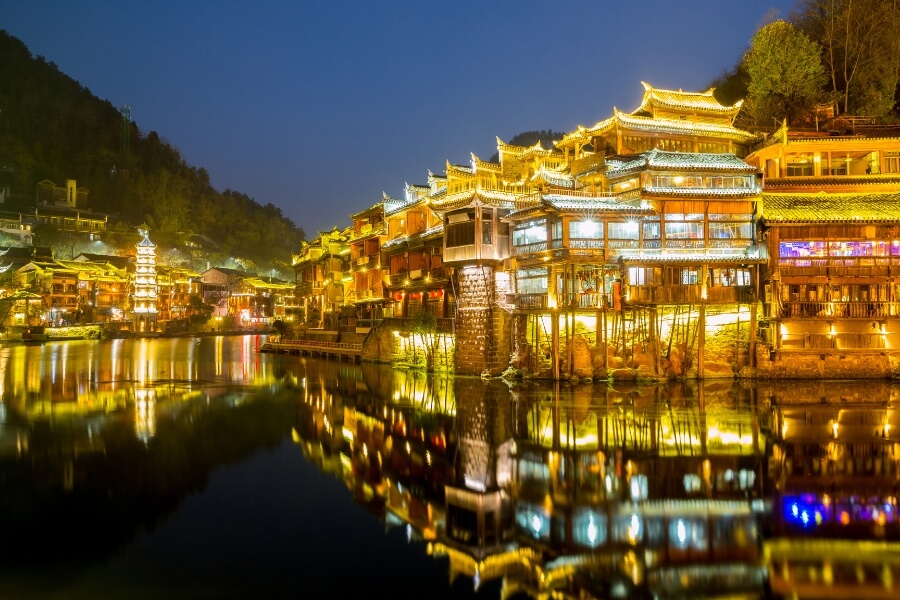
When Is Mid-Autumn Festival in 2026?
The Mid-Autumn Festival in 2026 falls on Friday, September 25.
The festival takes place every year on the 15th day of the eighth lunar month, when the moon is traditionally associated with reunion and autumn harvest celebrations.
2026 Holiday Schedule
Mainland China — usually a 3-day holiday period
Hong Kong and Macau — public holiday on the following day
Taiwan — holiday on the festival day itself
Singapore and Malaysia — widely celebrated culturally, but not official public holidays
Because the festival happens during China's peak autumn travel season, transportation pressure usually begins one or two days before the festival evening. On major routes between Beijing, Shanghai, Xi'an, Chengdu, and Guangzhou, high-speed train tickets often sell out very quickly once holiday bookings open.
Travelers arriving in China during holiday periods should also prepare Alipay or WeChat Pay before arrival whenever possible. During busy evenings, smaller food stalls and temporary lantern markets may only accept mobile payments, especially in larger cities.
What Is Mid-Autumn Festival in China?
The Mid-Autumn Festival, also called the Moon Festival or Mooncake Festival, is China's second most important traditional holiday after Chinese New Year.
The festival developed from ancient autumn harvest rituals and moon worship traditions more than 3,000 years ago. Today, most Chinese people associate it less with formal rituals and more with family dinners, mooncakes, lanterns, and spending time together during the autumn season.
For first-time visitors, Mid-Autumn Festival often feels more personal and easier to experience than larger national holidays. Instead of fireworks and massive public events, the atmosphere is usually centered around families gathering in parks, restaurants, lakeside areas, and old neighborhoods during the evening.
What Mid-Autumn Festival Feels Like in China
Mid-Autumn Festival changes the rhythm of Chinese cities in subtle ways.
In the late afternoon, shopping streets become busier with people carrying mooncake gift boxes and seasonal food. Around sunset, families begin moving toward parks, riverside walkways, lakes, and public squares. By around 7 PM to 9 PM, many popular moon-viewing areas become noticeably crowded.
In places like West Lake in Hangzhou or Shichahai in Beijing, the walking areas near the water can become extremely slow-moving during peak evening hours. Taxi wait times after lantern events may increase significantly, especially near historic districts where roads partially close for pedestrian traffic.
In cities like Hangzhou and Xi'an, restaurants popular for reunion dinners often stop accepting walk-in customers after around 6 PM during the festival weekend. Around Yuyuan Garden in Shanghai, nearby subway exits can become heavily congested after lantern events finish, especially between 8 PM and 9:30 PM.
Travelers using translation apps during crowded dinners may also notice slower mobile connections in busy tourist districts. Some first-time visitors are surprised that restaurant staff in local family-run restaurants may speak little or no English during peak holiday hours.
At the same time, Mid-Autumn Festival usually feels calmer than Chinese New Year. Most attractions remain open, public transportation continues operating normally, and international travelers can still move around relatively easily with advance planning and slower-paced itineraries.
How Chinese Families Celebrate Mid-Autumn Festival
Family Reunion Dinners
Mid-Autumn Festival is strongly connected with family reunions.
Many people working in larger cities travel back to their hometowns for dinner with parents and relatives. In major railway stations such as Beijing West Railway Station or Shanghai Hongqiao Railway Station, the evening before the holiday often becomes one of the busiest travel periods of the month.
Traditional reunion dinners usually include seasonal dishes such as crab, pumpkin, taro, grapes, and pomelo. In cities like Suzhou and Hangzhou, restaurants specializing in hairy crab meals are often fully reserved several days before the holiday weekend begins.
Travelers staying near popular dining districts may notice noticeably heavier evening traffic between roughly 5 PM and 8 PM, especially around old-town restaurant streets and lakeside dining areas.
Eating Mooncakes
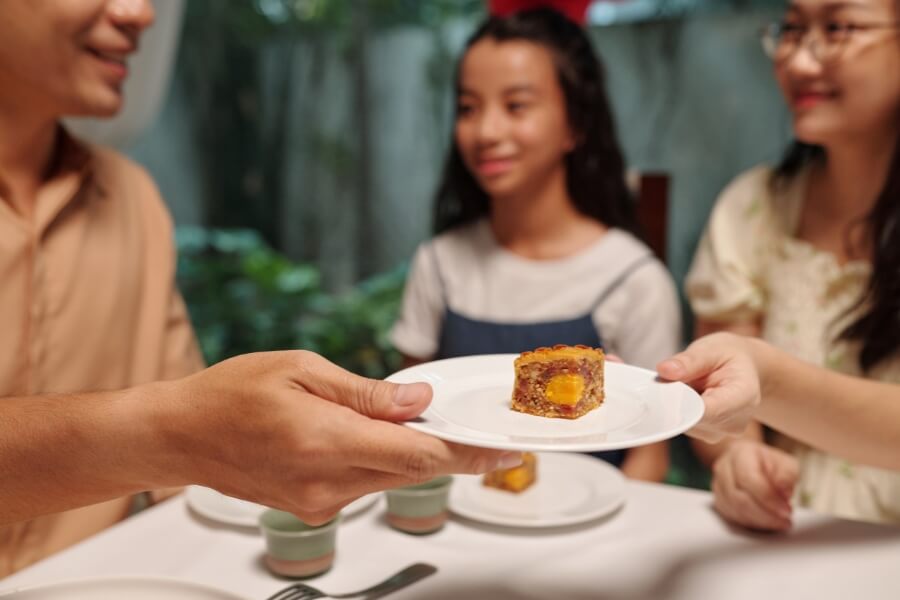
Mooncakes are the most recognizable Mid-Autumn Festival food in China.
Traditional fillings include lotus seed paste, salted egg yolk, red bean paste, and mixed nuts, while modern versions may contain ice cream, fruit cream, or chocolate. In recent years, luxury hotel mooncake gift boxes have also become extremely popular in larger cities.
Travelers visiting China during September will notice mooncake displays almost everywhere, including airports, hotel lobbies, supermarkets, tea shops, and shopping malls. In larger cities, some premium hotel mooncake boxes begin selling out more than a week before the festival itself.
Moon Viewing
Moon viewing is one of the most important evening activities during the festival.
In many Chinese cities, locals gather near lakes, rivers, parks, or rooftop terraces after dinner. Unlike large public festivals in some countries, Mid-Autumn celebrations often feel quieter and more family-oriented.
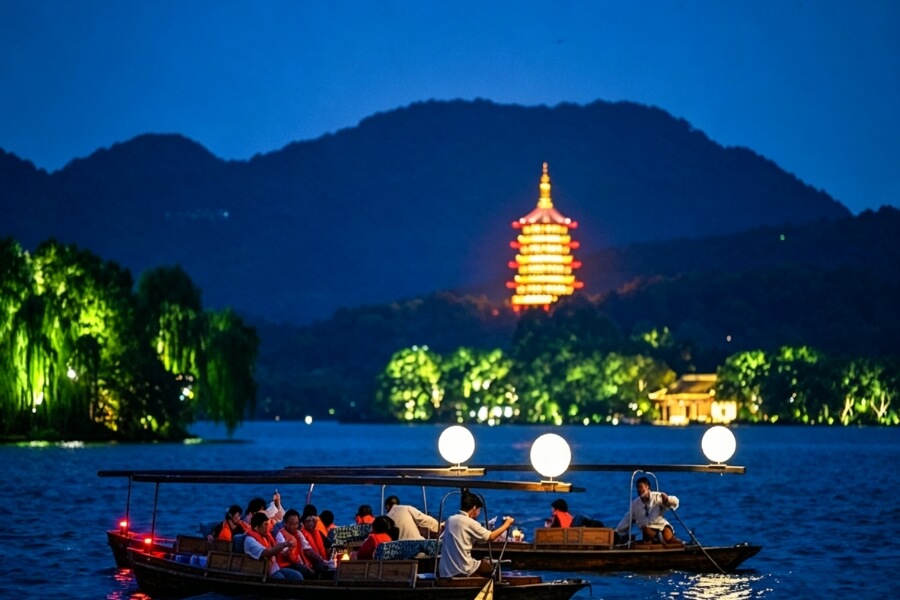
In Hangzhou, the lakeside walking routes around Broken Bridge and Su Causeway become especially busy after sunset, with many local families bringing folding chairs, tea, and snacks to spend several hours beside the lake. In Beijing, areas around Houhai and Beihai Park usually attract large evening crowds, especially if the weather is clear.
Travelers who prefer less walking pressure often have a more comfortable experience by arriving before sunset rather than joining the largest evening crowds later at night.
Lantern Activities
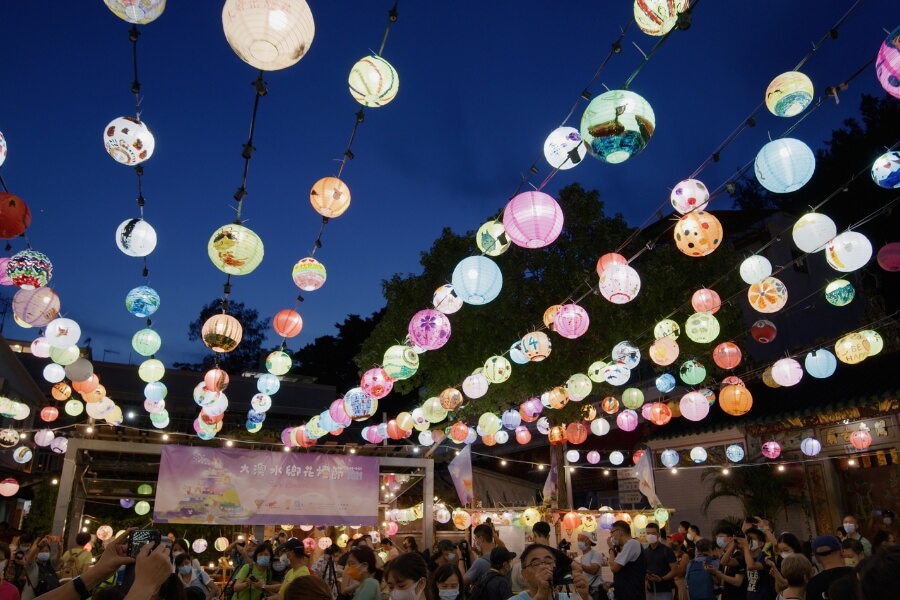
Lantern displays are especially popular in southern China, Hong Kong, and traditional tourism districts.
Travelers may see:
rabbit lanterns
flower-shaped lanterns
floating lanterns
lantern riddles
traditional light installations
Large lantern fairs are commonly held in public gardens, old towns, and waterfront areas. In places like Shanghai's Yuyuan Garden, evening visitor numbers can become extremely high during the holiday period, especially between 7 PM and 9 PM.
Some travelers underestimate how much walking is involved during lantern events. Historic districts with stone streets and pedestrian-only areas may require long evening walks before finding available taxis or ride-hailing pickup points.
Best Places in China to Experience Mid-Autumn Festival
Beijing – Traditional Moon Viewing Atmosphere
Beijing offers one of China's most traditional Mid-Autumn Festival experiences.
Beihai Park, Jingshan Park, and the Shichahai area become popular evening gathering spots for moon viewing. The area around Houhai usually becomes crowded after dinner, with locals sitting beside the lake, eating snacks, and walking through lantern-lit hutong streets.
Around Shichahai, traffic often slows significantly after 7 PM, especially on roads near bar streets and lakeside entrances. Travelers staying within walking distance of the area usually have a much easier experience than relying on taxis late at night.
Shanghai – Lantern Displays and Modern Skyline
Shanghai combines traditional festival culture with modern city scenery.
Yuyuan Garden is especially famous during Mid-Autumn Festival because of its lantern installations and classical Chinese architecture. However, the narrow walking lanes inside the old town can become extremely crowded at night, especially during holiday weekends.
For a more comfortable experience, many travelers visit Yuyuan earlier in the afternoon before moving toward the Bund or rooftop viewpoints later in the evening. Subway stations around East Nanjing Road and Yuyuan Garden may become especially crowded after lantern events end.
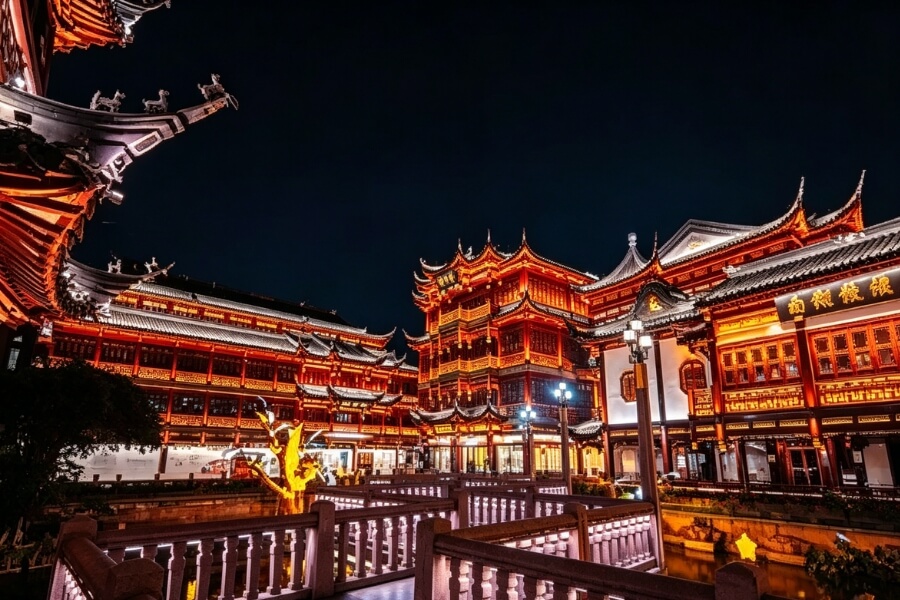
Hangzhou – West Lake Moon Reflection
Hangzhou is one of China's classic moon-viewing destinations.
During Mid-Autumn Festival, the lakeside walking routes near Broken Bridge, Su Causeway, and music fountain areas usually become crowded after sunset. Many locals bring folding chairs, tea, and snacks to spend the evening beside the lake.
Compared with Beijing and Shanghai, Hangzhou generally feels slower-paced and more relaxed, especially for couples and travelers looking for quieter evening scenery. Travelers staying near the western side of West Lake often avoid some of the heavier evening traffic found near the busiest downtown entrances.
Xi'an – Ancient City Festival Experience
Xi'an offers a stronger historical atmosphere during Mid-Autumn Festival.
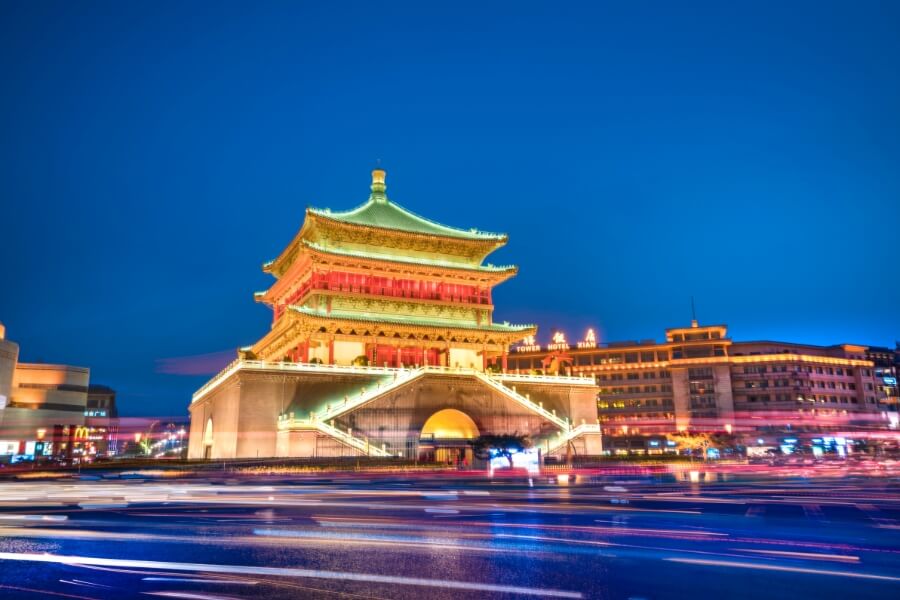
The Ancient City Wall, Datang Everbright City, and traditional cultural streets become lively with lantern displays and evening performances. Visitor numbers increase significantly after dark, especially near performance zones and food streets.
In Datang Everbright City, evening pedestrian traffic can become extremely dense during holiday nights. Travelers unfamiliar with large Chinese crowds may feel more comfortable visiting earlier in the evening instead of during peak performance hours.
Western China and Xinjiang – Autumn Silk Road Journeys
Travelers who prefer quieter autumn landscapes and longer cultural routes often combine Mid-Autumn Festival with Silk Road journeys across western China.
Late September is one of the best travel periods for Xinjiang, especially around Kashgar, the Pamir Plateau, and northern grassland regions. Temperatures become cooler, autumn colors begin appearing in some valleys, and long-distance driving conditions are generally more comfortable than during peak summer heat.
Unlike eastern China's crowded city festivals, Mid-Autumn travel in Xinjiang often feels slower and more landscape-focused. Many travelers choose private vehicles because distances between destinations can be extremely long, and public transportation schedules in remote areas are more limited during holiday periods.
For photography travelers, autumn light conditions around the Karakoram Highway and Pamir regions are especially attractive during late September evenings. Travelers unfamiliar with Xinjiang often underestimate how early some remote restaurants and service stations close outside major cities, particularly along long highway sections.
Is Mid-Autumn Festival a Good Time to Visit China?
For most travelers, yes.
The festival happens during one of China's best travel seasons, with cooler temperatures, clearer skies, and comfortable conditions across much of the country.
Advantages
comfortable autumn weather
strong cultural atmosphere
seasonal food and lantern displays
beautiful night photography opportunities
family-oriented travel environment
Challenges
crowded transportation
higher hotel prices
busy scenic areas
limited last-minute bookings
domestic tourism pressure
Travelers who dislike crowds should avoid visiting major moon-viewing areas between roughly 7 PM and 9 PM on the festival evening itself. Slower-paced schedules, centrally located hotels, and avoiding late-night cross-city transfers usually create a far more comfortable experience during holiday periods.
What Makes Traveling During Mid-Autumn Festival Difficult?
First-time visitors to China often underestimate how busy domestic travel periods can become.
Transportation Pressure
High-speed train tickets on major routes sometimes sell out within hours after bookings open. Airports and railway stations also become noticeably busier on the evening before the holiday begins.
At large railway stations, travelers may also experience longer security check lines than expected. During peak departure hours, entering stations, verifying passports, and navigating crowded waiting halls can take significantly longer for foreign travelers unfamiliar with China's railway system.
Crowded Attractions
Popular destinations such as the Bund, West Lake, Yuyuan Garden, and Beijing parks can become extremely crowded after sunset.
Some historic districts temporarily restrict vehicle access during lantern events, which may increase walking distances and taxi wait times. Ride-hailing apps sometimes show very limited car availability near festival hotspots late at night.
Hotel Price Increases
Accommodation prices often rise during holiday periods, especially in tourism-heavy cities and scenic areas.
Hotels with lake views, Bund skyline views, or central old-town locations are usually booked much earlier than standard business hotels. Travelers staying slightly outside the busiest sightseeing zones often experience a quieter and more comfortable holiday atmosphere.
Long-Distance Travel Fatigue
In western China, many travelers underestimate how tiring long holiday transfers can become.
Driving between destinations in Xinjiang may take several hours even on modern highways, and some scenic routes have very limited nighttime services. Slower-paced itineraries are generally much more comfortable for families, seniors, and first-time visitors.
Travelers trying to visit too many destinations during holiday periods often spend more time dealing with transfers, crowds, and logistics than actually enjoying the festival atmosphere itself.
Best Ways to Travel During Mid-Autumn Festival
Family Travelers
Mid-Autumn Festival is highly family-oriented and works well for travelers with children.
Lantern fairs, traditional snacks, lakeside evening walks, and public park activities are usually easy for families to enjoy together without complicated planning. Families staying near major sightseeing areas also avoid exhausting late-night subway transfers after crowded evening events.
Photography Travelers
Autumn light, lantern displays, and moon-viewing scenes create strong photography opportunities across China during the festival period.
Xinjiang, Hangzhou, Guilin, and Silk Road regions are especially attractive for travelers interested in landscape photography and night scenes. Many photographers prefer slower itineraries with fewer city transfers so they can spend more time shooting during sunset and evening light conditions.
Luxury and Comfort Travelers
Many experienced travelers prefer private drivers and customized routes during Chinese public holidays to reduce logistical stress and avoid crowded transportation hubs.
This becomes especially valuable in western China, where long driving distances and limited transportation connections can make independent travel more tiring than many first-time visitors expect. Choosing hotels closer to evening sightseeing areas can also significantly reduce walking fatigue and late-night transportation stress.
First-Time China Visitors
For first-time travelers, Mid-Autumn Festival offers a softer introduction to Chinese traditional culture compared with the intensity of Chinese New Year.
The atmosphere is festive without becoming overwhelmingly chaotic in most destinations. Travelers with flexible schedules and realistic pacing expectations usually have a much smoother experience during holiday periods.
The Story Behind China's Moon Festival
The most famous Mid-Autumn Festival legend is the story of Chang'e.
According to Chinese mythology, Hou Yi saved the world by shooting down nine dangerous suns and was rewarded with an elixir of immortality. His wife, Chang'e, later drank the elixir to protect it from a thief and floated to the moon, where she became the moon goddess.
Today, the story remains closely connected with Mid-Autumn traditions, especially moon viewing, lantern imagery, and the famous Jade Rabbit associated with the moon.
Travel Tips for Mid-Autumn Festival 2026
book hotels and transportation early
expect heavier crowds after 5 PM
visit major attractions earlier in the day
prepare Alipay or WeChat Pay before arrival
avoid overly packed itineraries during holiday periods
reserve restaurants in advance in major cities
bring light autumn layers for cooler evenings
consider centrally located hotels to reduce late-night transfers
consider private transportation for long-distance western China routes
Travelers planning routes through western China usually experience a much smoother trip when transportation, pacing, and accommodation are arranged in advance. During major Chinese holidays, flexible itineraries, centrally located hotels, and slower travel rhythms often make the experience significantly more comfortable.
FAQ
Q1: Is China too crowded during Mid-Autumn Festival?
Yes, major cities and famous sightseeing areas can become extremely busy during the holiday, especially between 7 PM and 9 PM on the festival evening. Travelers who book transportation early and avoid late-night transfers usually have a much smoother and more comfortable experience.
Q2: How early should I book trains and hotels for Mid-Autumn Festival?
For popular high-speed rail routes and central hotel locations, booking as early as possible is strongly recommended. During holiday periods, train tickets between major cities and hotels near famous sightseeing areas may sell out much faster than many first-time visitors expect.
Q3: Is Mid-Autumn Festival suitable for first-time visitors to China?
Yes. Compared with Chinese New Year, Mid-Autumn Festival usually feels calmer and easier for international travelers to experience. The festival atmosphere is family-oriented, with lantern displays, seasonal food, and evening activities that help visitors experience local culture more naturally.
Q4: Can foreigners travel independently in China during the holiday?
Yes, but first-time visitors may find holiday transportation, mobile payments, crowded train stations, and language barriers more stressful during peak travel periods. Slower-paced itineraries and advance planning generally make the experience much easier and more comfortable.
Q5: Is Xinjiang a good destination during Mid-Autumn Festival?
Yes. Late September is one of Xinjiang's most comfortable travel seasons, with cooler temperatures, autumn scenery, and generally fewer crowds than eastern China. However, long-distance transportation and accommodation in popular scenic areas should still be arranged early.
Further Reading
Mid-Autumn Festival in Xinjiang – What Travelers Can Expect in 2026 Eating Mooncakes in Xinjiang - A First-Time Traveler's Guide to Mid-Autumn Festival