Xinjiang is one of China's most culturally fascinating regions, where ancient Silk Road history, diverse ethnic traditions, and breathtaking landscapes come together to create an unforgettable travel experience. Located in the far northwest of China, Xinjiang has served as a bridge between East and West for more than 2,000 years, welcoming merchants, travelers, and explorers from across Asia and beyond.
Today, visitors can experience vibrant bazaars, traditional music and dance, historic old towns, colorful festivals, and authentic local hospitality. Every city and village tells a unique story, making Xinjiang one of the best places in China to discover living history and cultural diversity.
Whether you're exploring the ancient streets of Kashgar, staying with Kazakh families on the grasslands, or visiting historic Silk Road cities, Xinjiang offers a cultural journey unlike anywhere else in the country.
Why Xinjiang's Culture Is So Unique
Unlike many other regions of China, Xinjiang is home to a remarkable blend of ethnic communities, languages, religions, and traditions. Centuries of trade along the Silk Road created a cultural crossroads where ideas, art, architecture, music, and cuisine from different civilizations came together.
Visitors come to Xinjiang to experience:
Ancient Silk Road history
Diverse ethnic cultures
Traditional music and dance
Historic old towns
Bustling local bazaars
Unique handicrafts
Traditional architecture
Warm local hospitality
Authentic regional cuisine
Rich cultural heritage
Every destination offers its own customs and traditions, making each journey through Xinjiang unique.
A Crossroads of the Ancient Silk Road
For over two millennia, Xinjiang played a vital role on the Silk Road, connecting China with Central Asia, the Middle East, and Europe. Merchants transported silk, tea, porcelain, spices, precious stones, and other valuable goods through the region, transforming cities such as Kashgar, Turpan, and Kuqa into thriving trading centers.
Today, travelers can still walk through ancient streets, visit historic mosques, explore archaeological sites, and discover the rich legacy left behind by generations of Silk Road travelers.
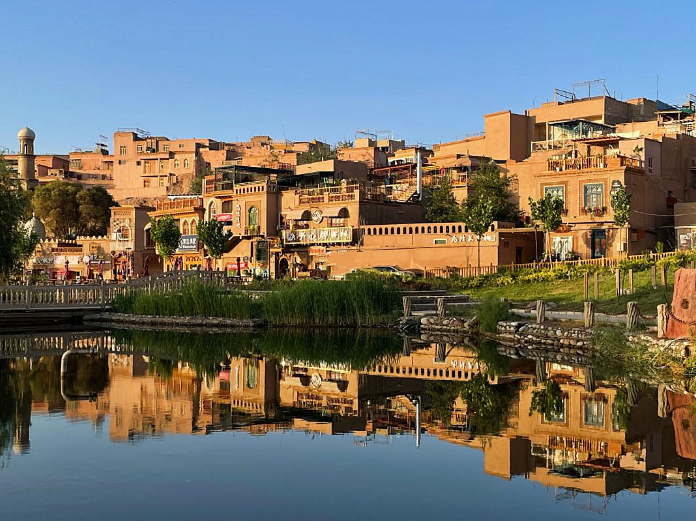
Kashgar Old City
Xinjiang's Diverse Ethnic Groups
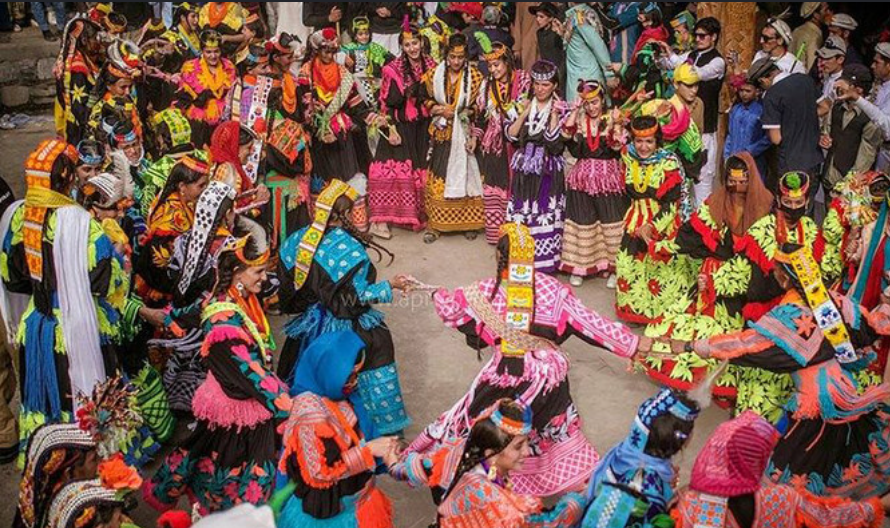
Xinjiang is home to many ethnic communities, each contributing its own traditions, language, clothing, music, and cuisine. Among the best-known groups are the Uyghurs, Kazakhs, Tajiks, Hui, Kyrgyz, Mongolians, and Xibe.
Visitors may see beautifully embroidered traditional clothing, colorful local festivals, horse-riding traditions on the grasslands, and vibrant community celebrations throughout the region.
This cultural diversity is one of the reasons Xinjiang feels so different from anywhere else in China.
Traditional Ethnic Culture
Traditional Music and Dance
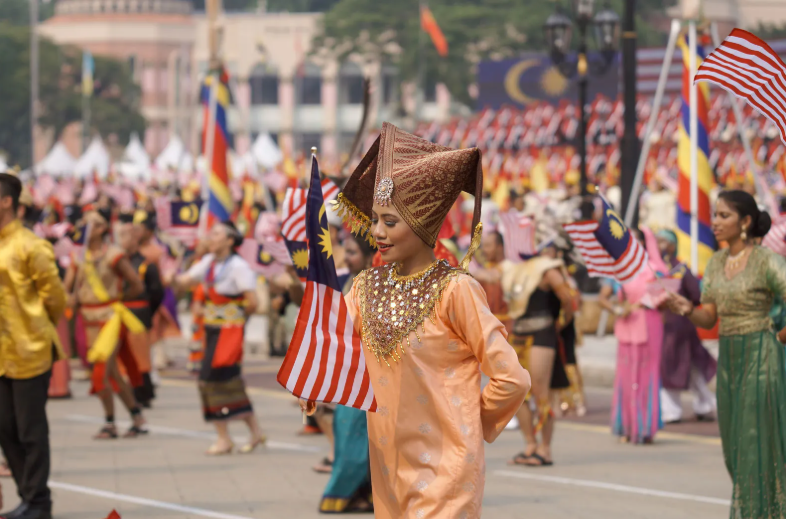
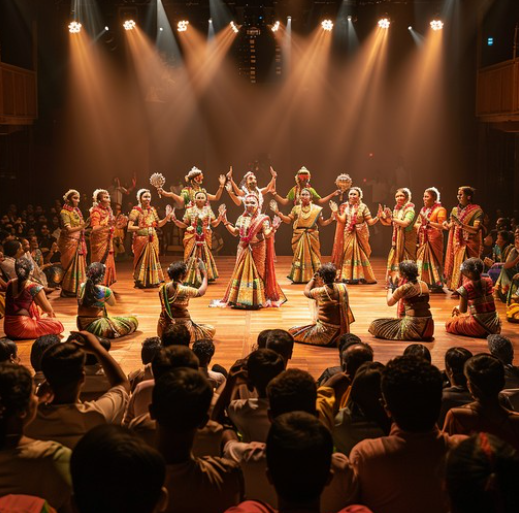
Music and dance play an important role in daily life and celebrations across Xinjiang. Traditional performances often feature lively rhythms, string instruments, hand drums, and graceful group dances that have been passed down through generations.
Visitors attending cultural shows or local festivals can experience energetic performances that reflect the history and identity of Xinjiang's many communities.
These performances are a highlight for travelers seeking authentic cultural experiences.
Traditional Dance Performance
Explore Historic Bazaars and Old Towns
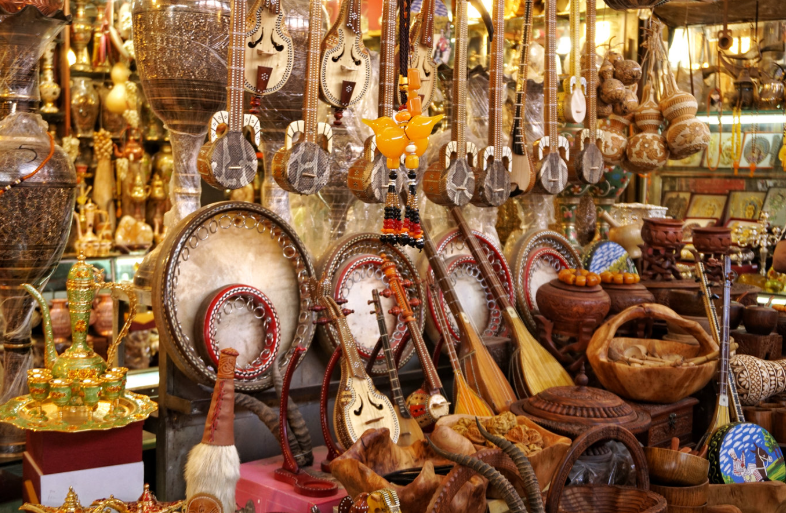
Xinjiang's bustling bazaars are among the most vibrant markets in China. Walking through these lively streets, visitors will find handmade carpets, musical instruments, colorful textiles, dried fruits, spices, pottery, and traditional crafts.
Kashgar's famous Old City remains one of the best-preserved historic neighborhoods along the ancient Silk Road, offering narrow alleyways, traditional homes, local workshops, and centuries-old architecture.
Every market provides a glimpse into everyday life and the region's long trading history.
Kashgar Bazaar
Traditional Handicrafts and Local Art
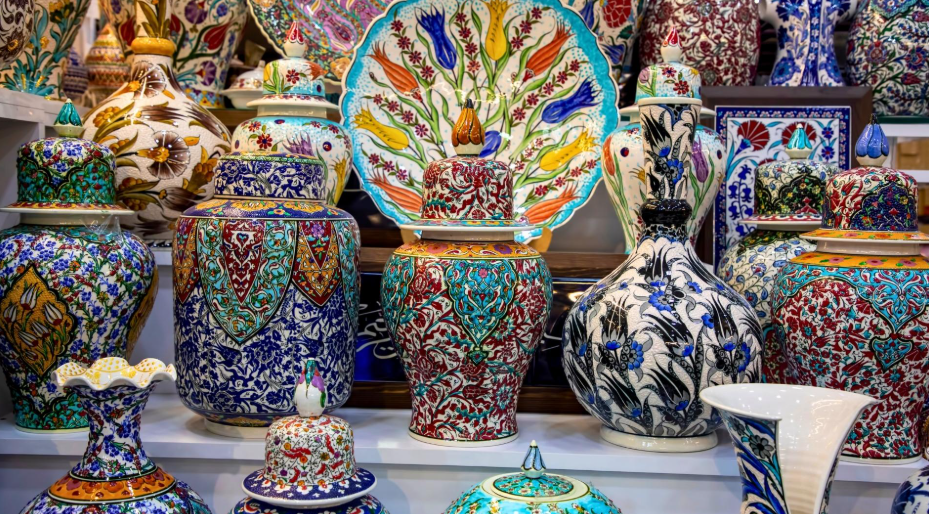
Xinjiang has a long tradition of skilled craftsmanship. Local artisans continue to produce handmade carpets, silk textiles, embroidered clothing, pottery, jewelry, musical instruments, and intricate wood carvings using techniques passed down through generations.
Many workshops welcome visitors, allowing travelers to observe traditional craftsmanship while supporting local communities by purchasing authentic handmade souvenirs.
Traditional Handicrafts
Festivals and Local Hospitality
Hospitality is deeply rooted in Xinjiang's culture. Guests are often welcomed with fresh fruit, naan bread, tea, or homemade dishes, reflecting the region's long tradition of welcoming travelers along the Silk Road.
Throughout the year, local festivals celebrate harvests, music, dance, horse racing, and traditional customs. These events provide visitors with wonderful opportunities to experience community life and cultural traditions firsthand.
Joining a local celebration can become one of the most memorable parts of any Xinjiang journey.
Traditional Festival