Xinjiang is one of China's most extraordinary travel destinations, offering breathtaking landscapes, diverse cultures, and a rich history shaped by the ancient Silk Road. Located in the far northwest of China, Xinjiang is the country's largest province-level region, covering one-sixth of China's land area. From towering snow-capped mountains and crystal-clear alpine lakes to endless deserts and vibrant bazaars, Xinjiang provides an adventure unlike anywhere else in the country.
For centuries, traders, explorers, and travelers crossed Xinjiang while journeying along the Silk Road, leaving behind a fascinating blend of cultures, traditions, and architecture. Today, visitors can experience everything from peaceful grasslands and historic oasis cities to colorful ethnic festivals and authentic local cuisine.
Whether you're a nature lover, photographer, road trip enthusiast, or cultural explorer, Xinjiang deserves a place at the top of your China travel itinerary.
Why Visit Xinjiang?
Unlike China's major metropolitan cities, Xinjiang offers wide-open landscapes, uncrowded attractions, and authentic cultural experiences. Every region has its own scenery, traditions, and way of life, making every journey through Xinjiang feel completely different.
Visitors travel to Xinjiang for:
Spectacular mountain scenery
Crystal-clear alpine lakes
Ancient Silk Road history
Unique ethnic cultures
Traditional bazaars
Scenic road trips
Vast deserts and canyons
Beautiful grasslands
Authentic local cuisine
Incredible photography opportunities
Xinjiang is one of the few places where travelers can experience snow mountains, forests, deserts, lakes, and grasslands all within a single journey.
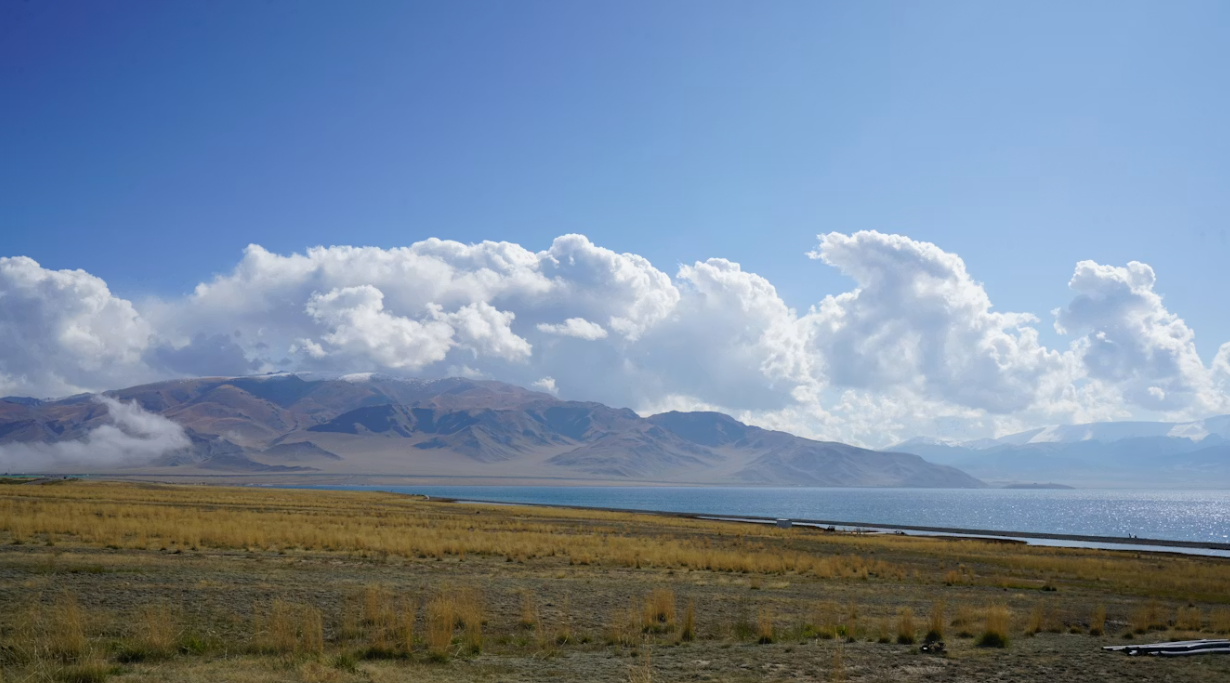
Sayram Lake
Incredible Natural Landscapes
Xinjiang is home to some of China's most spectacular natural scenery. Every season transforms the region into a completely different landscape, making it a year-round destination.
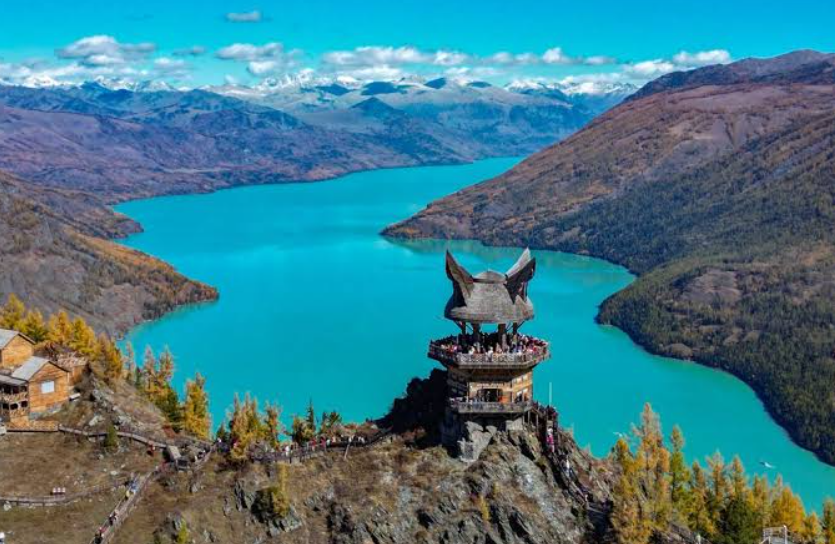
Northern Xinjiang is famous for its lush forests, alpine lakes, and endless grasslands. Popular destinations include Sayram Lake, Kanas Lake, Hemu Village, Nalati Grassland, and the breathtaking Duku Highway.
Southern Xinjiang offers a completely different experience, featuring dramatic deserts, ancient oasis towns, and the magnificent Pamir Plateau. Destinations such as Kashgar, White Sand Lake, Karakul Lake, and the Panlong Ancient Road showcase another side of Xinjiang's beauty.
No matter which route you choose, the scenery changes constantly, making every day of your journey unique.
Kanas Lake
Experience the Ancient Silk Road
For more than 2,000 years, Xinjiang served as the gateway between China and Central Asia. Merchants carrying silk, tea, porcelain, spices, and precious stones traveled through the region, creating one of history's most important trade networks.
Cities like Kashgar, Turpan, and Kuqa became thriving centers of commerce where different cultures, religions, and traditions met. Today, visitors can still explore ancient cities, traditional markets, historic mosques, and archaeological sites that tell the story of the legendary Silk Road.
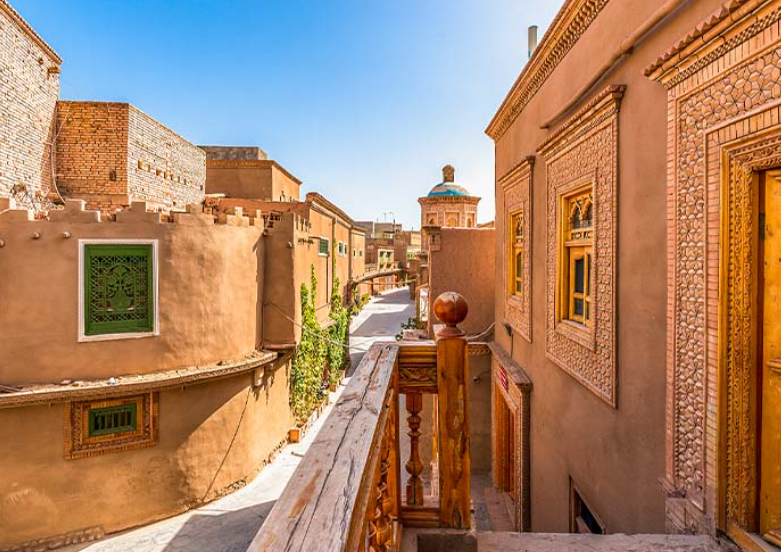
Walking through Kashgar Old City feels like stepping back in time, with narrow streets, traditional Uyghur homes, and lively markets preserving centuries of history.
Kashgar Old City
Discover Xinjiang's Diverse Cultures
Xinjiang is one of China's most culturally diverse regions, home to many ethnic groups including Uyghurs, Kazakhs, Tajiks, Hui, Kyrgyz, Mongolians, and others. Each community has its own language, traditional clothing, music, festivals, and cuisine.
Travelers can experience traditional dance performances, explore local handicraft workshops, visit bustling bazaars, and enjoy warm hospitality in villages and grassland communities.
This rich cultural diversity is one of the reasons Xinjiang offers such a unique travel experience compared with other parts of China.
Uyghur Traditional Culture

A Paradise for Road Trips
Xinjiang is one of the world's greatest road trip destinations. Its wide-open highways connect mountains, lakes, deserts, forests, and historic towns, offering unforgettable scenic drives.
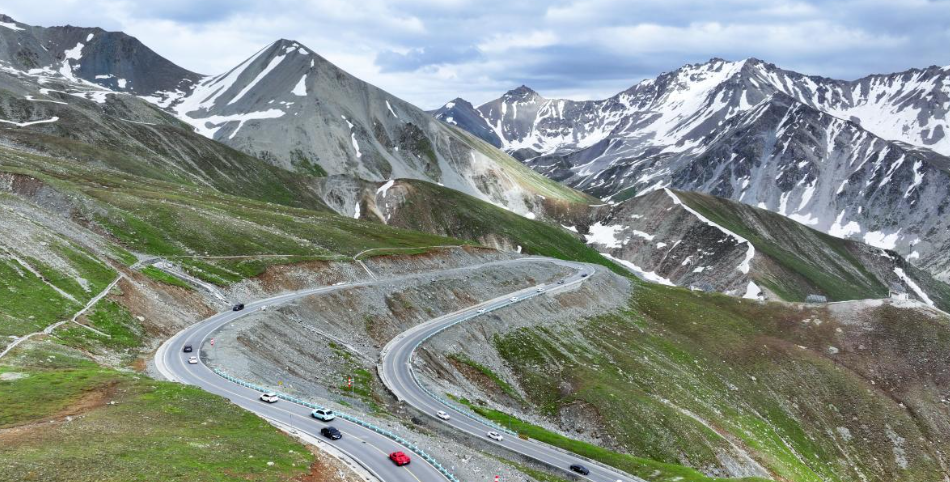
One of the most famous routes is the Duku Highway, often called China's most beautiful road. The journey crosses snow-covered mountain passes, deep valleys, grasslands, and rivers within a single day.
Other spectacular driving routes include:
S21 Desert Highway
Panlong Ancient Road
Karakoram Highway
Guozigou Valley
Ahe Scenic Highway
For travelers who love self-driving adventures, Xinjiang offers endless opportunities to explore at their own pace.
Duku Highway
Taste the Flavors of Xinjiang
Food is an essential part of every journey through Xinjiang. Influenced by the Silk Road and Central Asian cultures, the region's cuisine is rich in flavor and tradition.
Popular dishes include:
Lamb skewers
Hand-pulled Laghman noodles
Polo rice
Big Plate Chicken
Fresh naan bread
Roasted lamb
Handmade yogurt
Hami melon
Turpan grapes
Dried fruits and nuts
Dining in Xinjiang is more than just a meal—it's an opportunity to experience local culture and hospitality.
Xinjiang Food