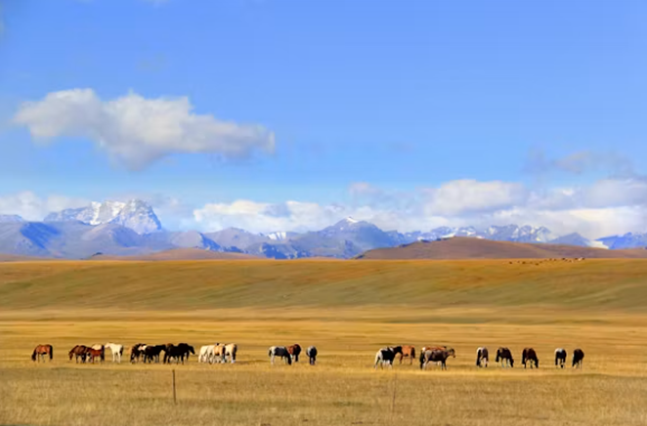
Xinjiang is one of the most spectacular regions in China, yet it remains relatively unknown to many international travelers. Located in China's far northwest, this enormous region offers snow-covered mountains, turquoise lakes, vast deserts, ancient Silk Road cities, grasslands, traditional villages, and some of the country's most distinctive food and cultures.
For travelers who want to explore China beyond Beijing, Shanghai, and other well-known destinations, Xinjiang offers a completely different experience. The landscapes are larger, the distances are greater, and every part of the journey feels like an adventure.
Incredible Natural Landscapes
One of the biggest reasons to visit Xinjiang is its extraordinary scenery. The region includes deserts, forests, mountains, lakes, canyons, and open grasslands.
Northern Xinjiang is particularly famous for destinations such as Kanas Lake, Hemu Village, Sayram Lake, and the Ili grasslands. Travelers can experience alpine forests, traditional wooden villages, mountain scenery, and beautiful lakes within a single journey.
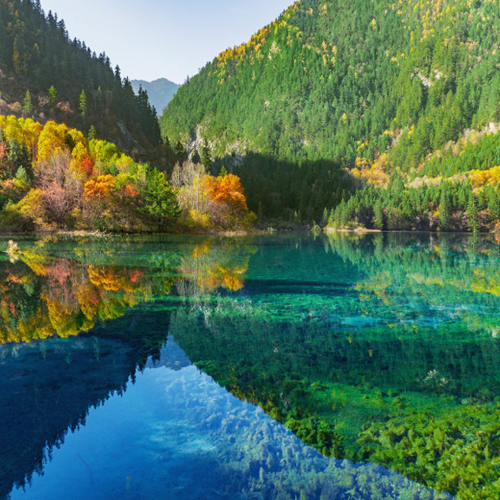
Kanas and Hemu – Northern Xinjiang's Natural Highlights
Kanas is one of Xinjiang's most famous scenic areas. Surrounded by mountains and forests, its turquoise water and changing seasonal colors make it especially popular with photographers and nature lovers.
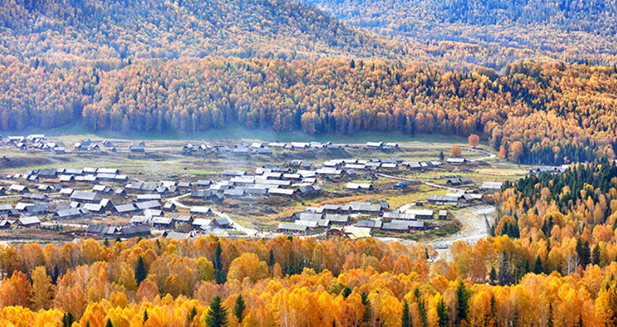
Nearby Hemu Village provides a completely different experience. Traditional wooden houses sit between mountains and forests, while early mornings often bring mist across the valley. Autumn is particularly beautiful when the surrounding forests turn shades of gold and orange.
Sayram Lake – The Jewel of the Mountains
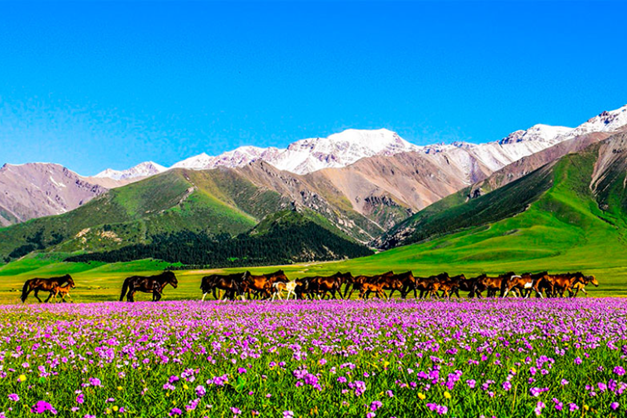
Sayram Lake is a spectacular alpine lake surrounded by mountains and grasslands. Its deep blue water and wide-open landscapes make it one of the most impressive stops on a northern Xinjiang road trip.
During summer, the surrounding grasslands become green and colorful with seasonal flowers. Travelers can drive around the lake, stop at scenic viewpoints, walk beside the water, and enjoy the peaceful mountain environment.
Kashgar – A Living Silk Road City
Xinjiang isn't only about natural scenery. Its cities and communities also reflect centuries of Silk Road history.
Kashgar is one of the best places to experience this heritage. Walking through Kashgar Old City, travelers can discover traditional architecture, local food, handicraft workshops, markets, tea houses, and lively streets.
Kashgar also serves as a gateway to the Pamir Mountains and Tashkurgan, making it an excellent base for exploring southern Xinjiang.
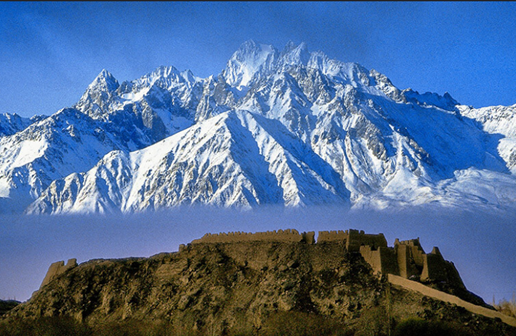
The Pamir Mountains and Tashkurgan
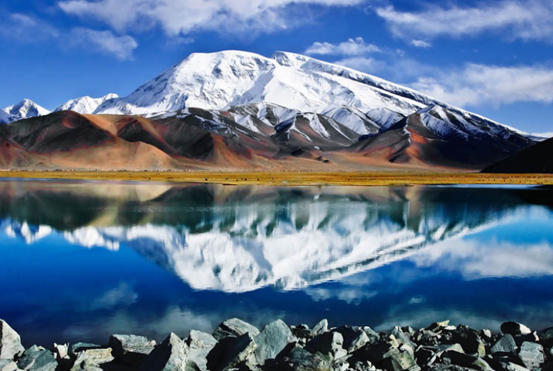
The journey from Kashgar toward Tashkurgan is one of Xinjiang's great road trips. The route passes dramatic mountains, high-altitude lakes, valleys, and remote landscapes near China's western borders.
Tashkurgan is also known for its Tajik culture and historic Stone City. For travelers interested in both scenery and local culture, this part of Xinjiang can be one of the most memorable sections of the journey.
Xinjiang's Unique Food
Food is another major reason to visit Xinjiang. Local cuisine reflects the region's geography, history, and cultural diversity.
Popular dishes include lamb kebabs, polo rice, hand-pulled noodles, naan bread, roasted lamb, dumplings, and large plates of chicken with potatoes and noodles. Xinjiang is also famous for fresh melons, grapes, raisins, and other fruits.
Visiting local restaurants and markets is an important part of experiencing the region.

One of China's Best Road Trip Destinations
Xinjiang's huge landscapes make it particularly suitable for road trips. Some of the region's most memorable experiences happen between major attractions while driving through deserts, mountains, grasslands, and remote valleys.
Routes such as the Duku Highway, S21 Desert Highway, and roads through the Ili region have become attractions in their own right.