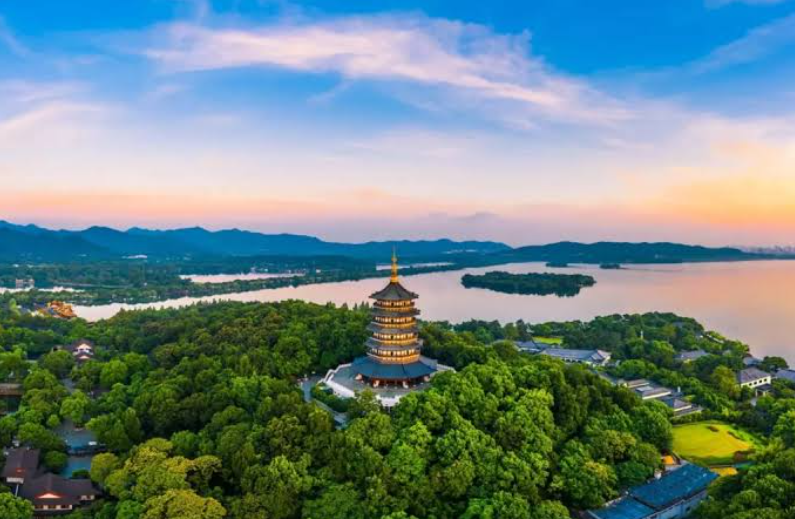
Hangzhou is often described as one of China's most beautiful cities, and for good reason. Located in Zhejiang Province, this historic destination combines breathtaking natural scenery, centuries of cultural heritage, and modern urban convenience. From the tranquil waters of West Lake to ancient Buddhist temples and lush Longjing tea plantations, Hangzhou offers travelers an unforgettable glimpse into traditional Chinese culture.
For more than a thousand years, Hangzhou has attracted emperors, scholars, merchants, and international visitors. Marco Polo famously praised it as one of the world's finest cities, and today it continues to captivate millions of tourists each year.
Whether you're visiting China for the first time or planning a deeper exploration of the country's cultural treasures, Hangzhou deserves a place on your itinerary.
Why Visit Hangzhou?
Hangzhou is one of the easiest cities in China to explore while still offering an authentic cultural experience. Unlike larger metropolitan centers, Hangzhou provides a relaxing atmosphere where scenic landscapes, historical landmarks, and local traditions exist side by side.
Visitors come to Hangzhou to experience:
UNESCO World Heritage landscapes
Traditional Chinese gardens
Ancient Buddhist temples
World-famous Longjing tea plantations
Historic Silk Road heritage
Traditional shopping streets
Local Hangzhou cuisine
Beautiful lake cruises
Chinese silk culture
Its combination of natural beauty and cultural significance makes Hangzhou one of China's most rewarding travel destinations.
The History of Hangzhou
Hangzhou has a recorded history of more than 2,200 years. During the Southern Song Dynasty (1127–1279), the city became China's imperial capital and rapidly developed into one of the wealthiest cities in Asia.
Its strategic location along the southern end of the Grand Canal connected Hangzhou with northern China while maritime trade routes linked the city to Southeast Asia, the Middle East, and Europe. Merchants transported silk, porcelain, tea, and spices through these flourishing trade networks, helping establish Hangzhou as an important center of commerce along the Silk Road.
Today, traces of this rich history can still be found in ancient temples, traditional neighborhoods, historic pagodas, and preserved waterways.
West Lake – Hangzhou's Most Famous Attraction
No visit to Hangzhou is complete without exploring West Lake (Xihu), the city's most iconic landmark and a UNESCO World Heritage Site.
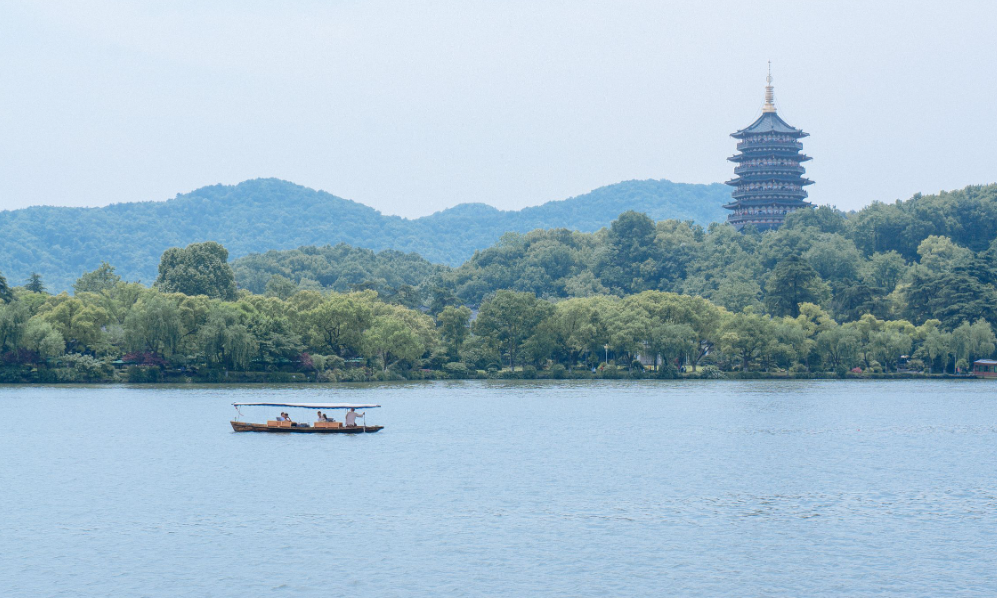
Surrounded by willow trees, elegant bridges, historic pagodas, and peaceful gardens, West Lake has inspired Chinese poets and painters for centuries. Every season offers a different experience. Spring brings blooming flowers, summer covers the lake with lotus blossoms, autumn paints the hills with vibrant colors, and winter occasionally transforms the landscape into a peaceful snowy scene.
Visitors can spend hours walking around the lake, taking traditional wooden boat rides, cycling along scenic paths, or simply relaxing while enjoying panoramic views of the surrounding mountains.
Popular highlights include:
Su Causeway
Broken Bridge
Three Pools Mirroring the Moon
Leifeng Pagoda
Evening musical fountain show
West Lake is considered by many travelers to be one of the most beautiful urban lakes in the world.
Lingyin Temple – One of China's Most Important Buddhist Temples
Founded over 1,700 years ago, Lingyin Temple remains one of the oldest and most respected Buddhist temples in China. Hidden among forested hills northwest of West Lake, the temple provides visitors with a peaceful escape from the city's busy streets.
Inside the temple complex, visitors can admire magnificent Buddha statues, ornate prayer halls, ancient stone carvings, and tranquil courtyards filled with incense and centuries of spiritual tradition.
Nearby Feilai Peak features hundreds of Buddhist sculptures carved directly into limestone cliffs, making it one of Hangzhou's most remarkable cultural attractions.