Traditional Chinese clothing reflects social hierarchy, philosophy, regional identity, and aesthetic traditions developed over thousands of years. While most people in modern China wear contemporary fashion, traditional clothing still appears during festivals, weddings, temple fairs, and historical photography experiences. Travelers visiting cities like Xi'an, Beijing, Suzhou, and Kashgar can see these styles in meaningful cultural settings.
Understanding traditional clothing helps visitors make better decisions about where to go, what to wear, and how to capture authentic cultural experiences.
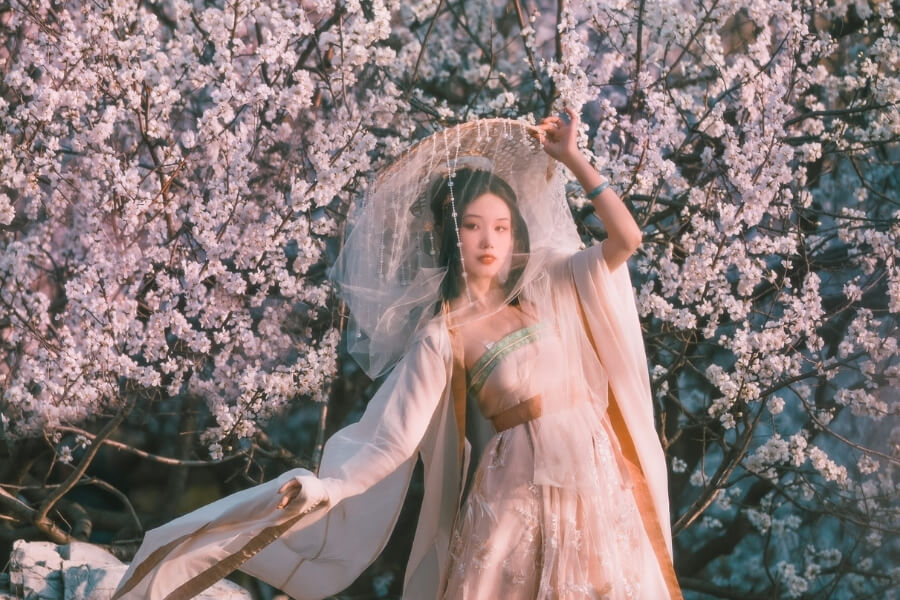
Key Features of Chinese Clothing
Traditional Chinese clothing is recognizable by several features:
Cross-collar garments with the right side wrapped over the left
Loose, straight-cut silhouettes and wide sleeves
Sashes instead of belts or buttons
Layered robes or blouse-and-skirt combinations
Symbolic colors and embroidered patterns
Materials reflected both status and climate: hemp, linen, and animal skins in early times; silk and cotton during dynasties; wool or fur in northern and high-altitude regions. These practical choices also influence travelers' experience today.
History of Chinese Clothing Styles
Chinese clothing evolved alongside dynasties and social changes.
| Era | Key Travel-Relevant Takeaway |
|---|---|
| Han Dynasty (汉代) | Hanfu formalized; travelers can see Hanfu performances in Xi'an, Luoyang, Beijing |
| Tang Dynasty (唐代) | Women's clothing colorful and layered; Tang-style Hanfu photography is popular in Xi'an |
| Ming & Qing Dynasties (明清) | Ming Han style, Qing Manchu clothing; historical costumes in museums or festival events |
| Modern (现代) | Zhongshan suit and qipao emerged; today Hanfu revival and qipao photography experiences available |
This compressed timeline gives travelers actionable insight: if your goal is photography or cultural immersion, Hanfu in Xi'an or qipao in Shanghai is most relevant.
Key Chinese Clothing Styles
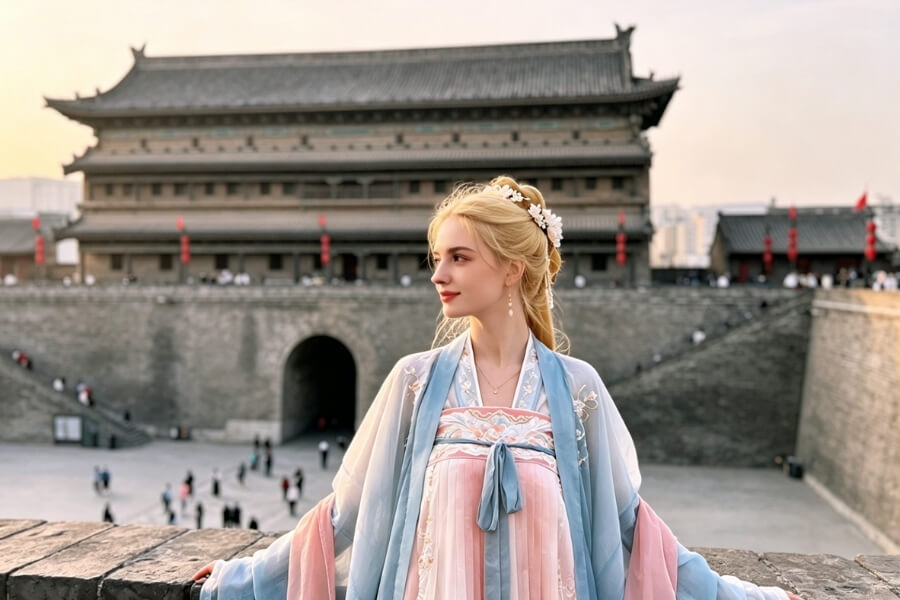
Hanfu: Traditional Han Clothing
Hanfu, with over 4,000 years of history, features flowing robes, wide sleeves, cross collars, and fabric sashes.
Best travel experience: Festivals, temple fairs, historical photography
Best season: Spring and autumn for comfortable weather and minimal crowds
Modern rental studios offer makeup and professional photography. Hiorient Travel can help arrange Hanfu experiences in authentic settings, including private sessions away from crowded tourist areas.
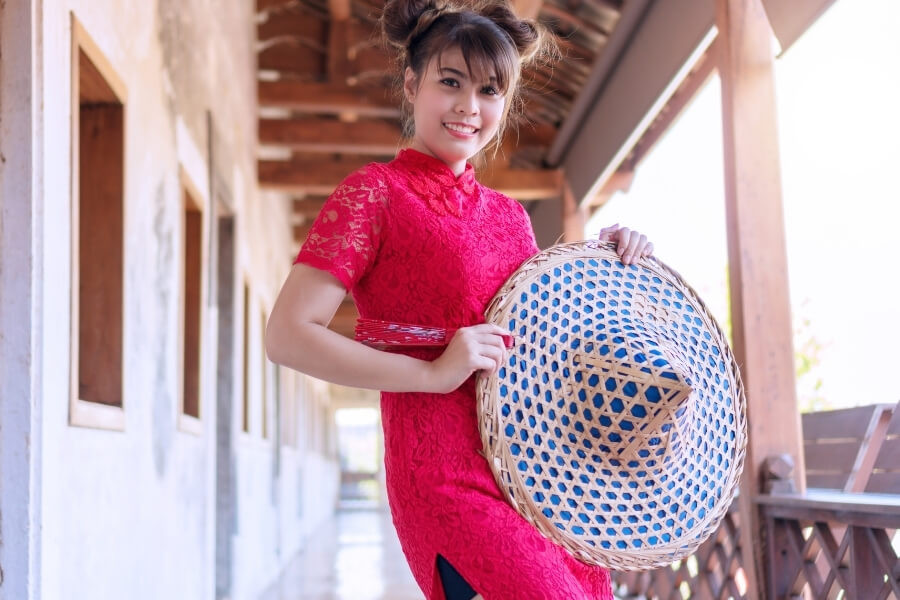
Qipao (Cheongsam)
Originating from Qing Dynasty Manchu women's garments, the qipao evolved into three regional styles:
| Style | Characteristics | Best City for Experience |
|---|---|---|
| Beijing style | Traditional, bright, heavily decorated | Beijing historic districts |
| Shanghai style | Slimmer, Western influence | Shanghai photography studios |
| Hong Kong style | Simplified, shorter sleeves | Hong Kong fashion events |
Qipaos are ideal for formal events, weddings, or photography.
Best season: Spring festivals or autumn city tours. Rental and photography are widely available.
Tang Suit Overview
Tang suits evolved from Qing Dynasty magua jackets and became symbolic overseas.
Features: Mandarin collar, frog buttons, embroidered “fu” or “shou”
Best experience: Chinese New Year, weddings, cultural performances
Travel tips: Wear during festival mornings for smaller crowds and better photography lighting
Zhongshan Suit for Men
Designed by Sun Yat-sen, the Zhongshan suit combines Chinese and Western tailoring.
Features: Four pockets, five front buttons, structured collar
Best experience: Formal events, political tours, museum visits
Travel tips: Ideal for group photography or ceremonial visits; avoid overly casual contexts
Colors and Symbols in Traditional Clothing
Colors reflect ceremonial and social meanings:
| Color | Meaning | Practical Tip for Travelers |
|---|---|---|
| Red | Luck, weddings, festivals | Wear during weddings or Lunar New Year for photos |
| Yellow | Imperial authority | Seen mainly in museums or palace displays |
| White | Mourning | Respectful observation only |
| Purple | High official rank | Mostly museum exhibits |
Embroidery also conveyed status. Travelers visiting Beijing's Forbidden City or Palace Museum can observe imperial robes and rank badges.
Ethnic Clothing Across China
China has 56 ethnic groups, each with unique clothing traditions. Travelers can experience authentic styles during cultural tours, festivals, or local markets.
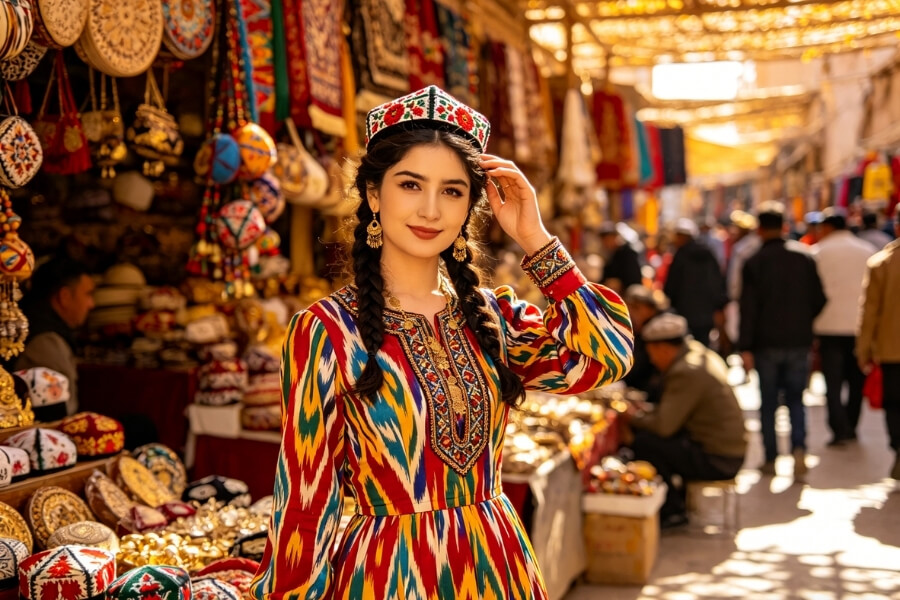
Uyghur Clothing in Xinjiang
Bright silk dresses (Atlas silk) and embroidered doppa hats
Best season: Spring and autumn for comfort and minimal dust
Experience tip: Kashgar Old City bazaars, Sunday markets; early mornings avoid crowds
Kazakh Clothing in Grasslands
Layered dresses with embroidery, fur jackets for cold
Best season: Summer horse festivals for full costume display
Experience tip: Grassland mornings are ideal for photography
Tajik Clothing of Pamir Plateau
Fur-lined garments, felt caps, long leather boots
Best season: Summer cultural festivals
Experience tip: High-altitude weather requires layering; guided tours recommended
Tibetan Clothing in High Altitude Regions
Wool robes, leather boots, decorative waist belts
Best experience: Monastery festivals, Losar (Tibetan New Year)
Travel tip: Early morning provides best photos; avoid midday sun
Miao Festival Clothing
Pleated skirts, embroidered jackets, heavy silver jewelry
Best season: Miao New Year and local festivals
Experience tip: Village mornings have fewer crowds; photography encouraged
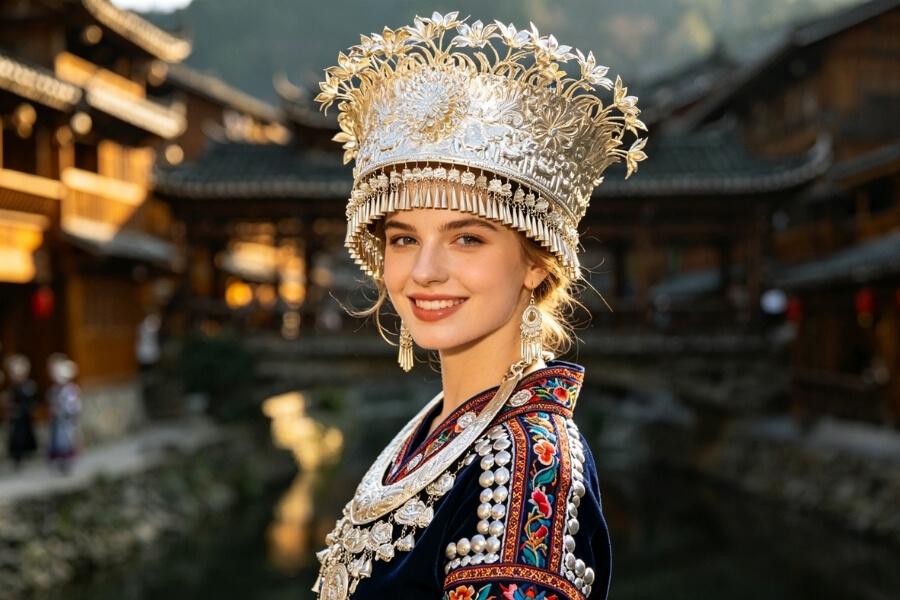
Hiorient Travel offers custom itineraries in Xinjiang and Silk Road regions for immersive ethnic clothing experiences with local guides and photography support.
Where to Experience Chinese Clothing
| Destination | Best Experience | Travel Tip |
|---|---|---|
| Xi'an | Tang Dynasty Hanfu photography | Spring mornings for fewer tourists |
| Beijing | Imperial court clothing | Palace Museum guided tours |
| Shanghai | Qipao photography | Weekdays for less crowded streets |
| Suzhou | Silk and embroidery culture | Combine with historic gardens |
| Kashgar | Uyghur ethnic clothing | Sunday bazaars, early morning |
| Guizhou | Miao festival costumes | Festivals in winter or summer |
| Lijiang | Ethnic minority dress experiences | Avoid Chinese national holidays for photos |
Rental studios often provide makeup and photography packages.
Can Tourists Wear Hanfu or Qipao
Travelers are generally welcome to wear traditional Chinese clothing respectfully.
Tips:
Choose culturally appropriate designs
Avoid theatrical costume combinations
Follow photography rules inside temples or museums
Ask rental staff for guidance
Respectful participation is encouraged, especially during festivals and cultural events.
Traditional Clothing Today
Hanfu revival communities organize festivals, reenactments, and tea ceremonies
Modern qipaos simplified for daily wear
Minority regions often maintain daily traditional clothing
Travelers can witness living cultural practices rather than museum-only displays.
Hiorient Travel can arrange personalized trips to explore ethnic heritage, historical cities, and photography opportunities for traditional clothing.
FAQ
Q1: What is traditional Chinese clothing called?
Traditional Chinese clothing includes Hanfu, qipao, Tang suit, and Zhongshan suit. Hanfu specifically refers to Han Chinese attire used for festivals and cultural events.
Q2: What is the difference between Hanfu and qipao?
Hanfu features loose robes, crossed collars, and wide sleeves. Qipaos are fitted with Mandarin collars, frog buttons, and side slits for a modern, elegant silhouette.
Q3: Do people still wear traditional clothing in China today?
Most people wear modern clothing daily. Traditional attire appears during festivals, weddings, cultural events, and historical photography experiences.
Q4: Where can travelers rent Hanfu in China?
Hanfu rental studios are common in Xi'an, Beijing, Hangzhou, Suzhou, and Luoyang. Many offer makeup and photography packages for an immersive experience.
Q5: What should travelers wear in Xinjiang?
In summer, wear light long sleeves for sun protection and cultural respect. Winter requires layered clothing due to cold and high-altitude conditions.