The best China trips are usually built around experiences, not simply famous landmarks.
Many first-time travelers already know names such as The Great Wall, Zhangjiajie, pandas, or Shanghai skyline views. The harder part is understanding which places actually fit together in a realistic route and which destinations are worth the travel time.
China is too large to approach as a checklist. Distances are long, transfer days matter, and some places work much better together than others.
For most travelers, the strongest routes combine:
One or two historical cities
One modern city
One scenery-focused destination
Slower regional experiences between major highlights
Start With Beijing if You Want to Understand China Quickly
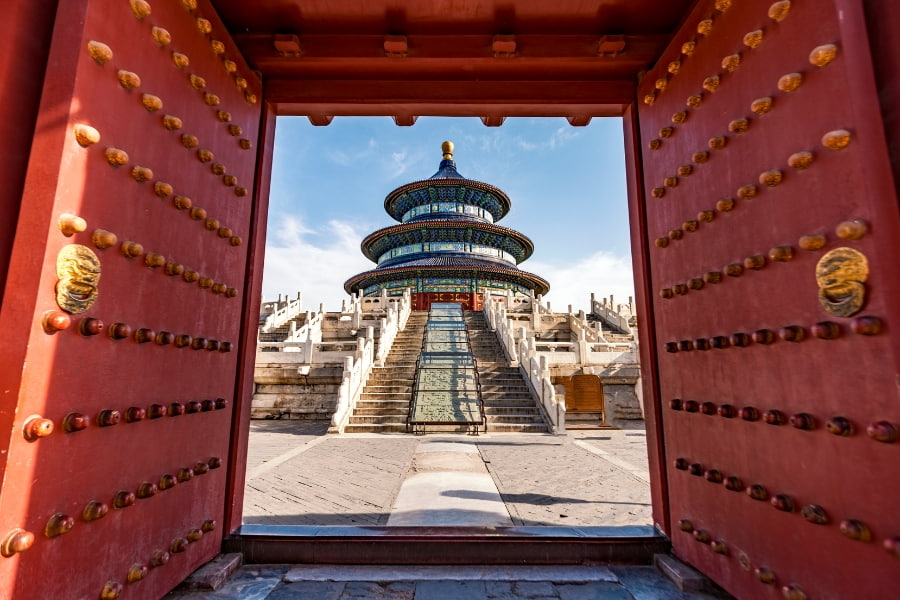
For most first-time visitors, Beijing is still the strongest starting point.
This is where imperial history, political culture, traditional architecture, and older neighborhood life come together in one city. Places such as The Forbidden City, Temple of Heaven, and The Great Wall help travelers understand the historical side of China much faster than smaller destinations.
Beijing also gives context to the rest of the country. After starting here, many later experiences across China make more sense.
The biggest mistake travelers make is underestimating the size of the city. Attractions are spread out, timed reservations matter, and traffic can easily consume several hours each day. A slower schedule with fewer major attractions per day usually creates a much better experience than trying to rush through the city.
Go to Xinjiang if You Want the Most Different Side of China
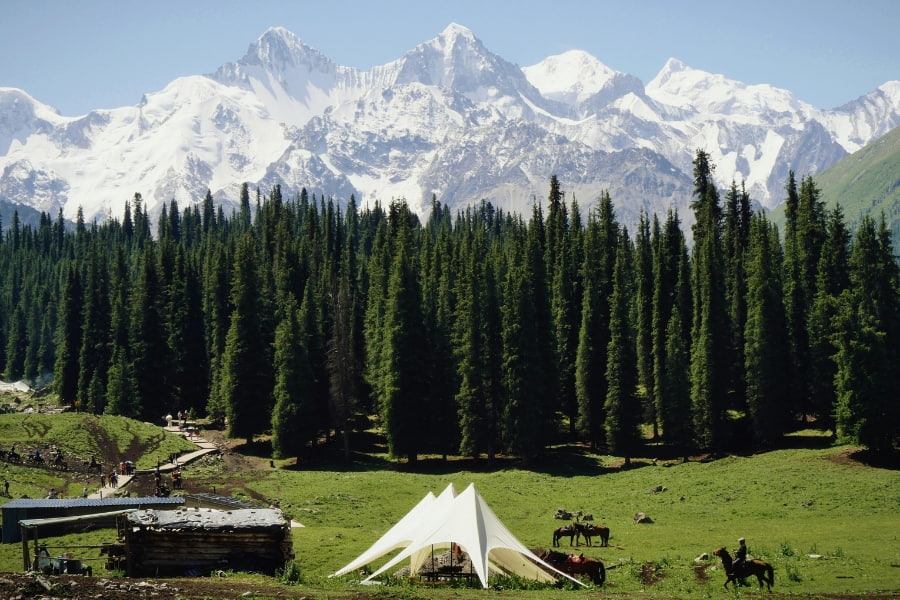
Xinjiang feels very different from eastern China.
The landscapes, food, architecture, languages, and daily culture are heavily influenced by Silk Road history and Central Asian traditions. For many travelers, this becomes the moment they realize how geographically and culturally diverse China actually is.
This is also one of the best regions in China for large-scale scenery.
Northern Xinjiang is known for:
Nalati Grassland
Kanas Lake
Hemu Village
Tianshan mountain scenery
These areas combine forests, grasslands, lakes, snow mountains, and horse culture in a way that feels completely different from the eastern half of the country.
Southern Xinjiang offers a different experience again. Cities such as Kashgar feel much more connected to Silk Road trade history, Islamic architecture, and traditional bazaar culture.
For travelers interested in culture, Xinjiang is often more rewarding than people expect. Markets, local food streets, mosques, and slower daily rhythms create a very different atmosphere from major eastern Chinese cities.
The region does require more time than most standard China routes. Distances are large, transportation days can be long, and many scenic areas are spread far apart. Xinjiang usually works best for travelers with at least 8 to 12 extra days rather than short first-time itineraries.
But for travelers who want scenery, horse trekking, Silk Road culture, and a side of China that feels visually distinct from Beijing or Shanghai, Xinjiang is one of the strongest regions in the country.
Visit Shanghai to Understand Modern China
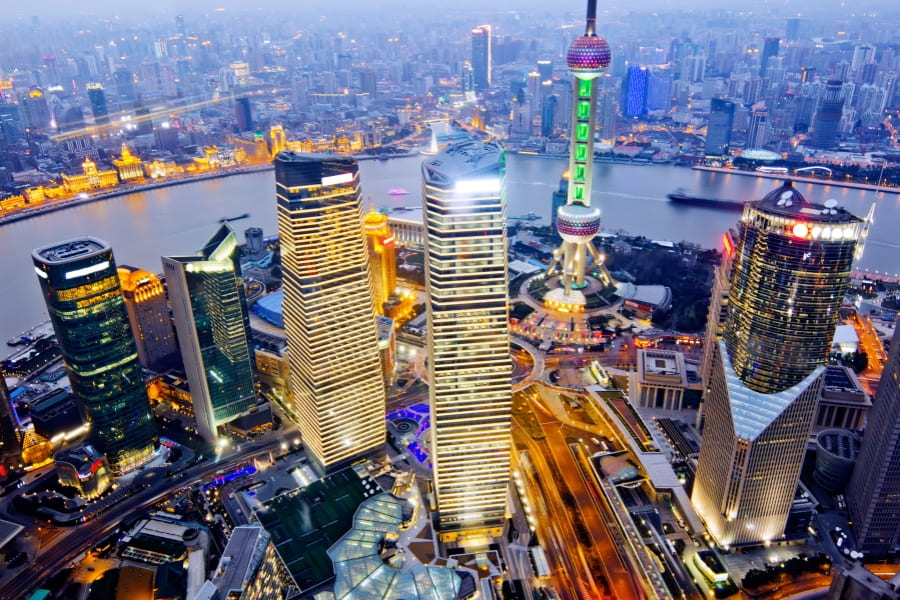
Some travelers skip Shanghai because they think it feels “too modern.” In reality, that contrast is exactly why it belongs on a first China trip.
If Beijing explains imperial China, Shanghai explains contemporary China.
The city combines:
Historic waterfront architecture
Modern skyline districts
Luxury shopping
Older residential neighborhoods
Garden areas such as Yu Garden
Shanghai is also one of the easiest cities in China for international travelers to navigate. Transportation is efficient, daily travel feels smoother, and the city works well even for shorter itineraries.
For travelers who prefer urban culture, architecture, cafés, and modern city life, Shanghai is often one of the most enjoyable stops in the country.
Go to Xi'an if Ancient China Interests You Most
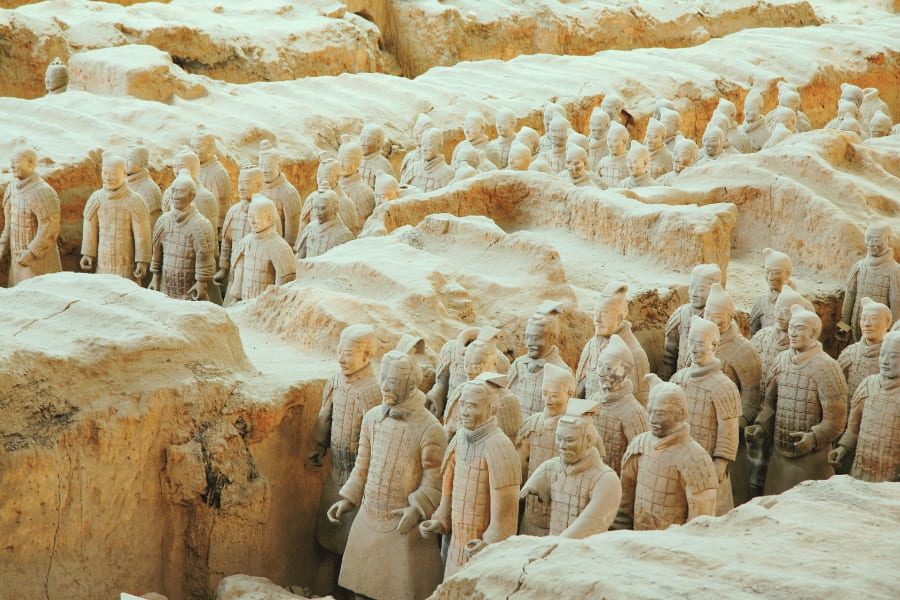
Xi'an is one of the strongest historical cities in China.
Most travelers arrive for the Terracotta Army, but the city becomes much more rewarding once you understand its Silk Road history and dynastic importance.
The City Wall, Muslim Quarter, and older urban structure make Xi'an feel historically concentrated in a way many modern Chinese cities do not.
Compared with Beijing, Xi'an is also easier to explore within a shorter timeframe. Two or three days is usually enough to experience the city without feeling rushed.
For travelers interested in Chinese history, Xi'an is often one of the most memorable parts of the trip.
Choose Chengdu if You Want a More Relaxed China Trip

Many first-time China itineraries become too intense very quickly.
Beijing, Xi'an, and multiple major cities in one route can feel exhausting by the middle of the trip. Chengdu works well because it slows the pace without making the journey feel less interesting.
The city combines pandas, Sichuan cuisine, tea houses, and a calmer daily rhythm that feels noticeably different from Beijing or Shanghai.
This makes Chengdu especially strong for:
Families
Food-focused travelers
Older visitors
Travelers who dislike aggressive sightseeing schedules
Pandas are a major attraction, but for many travelers the slower atmosphere becomes the real reason they enjoy Chengdu.
Visit Jiuzhaigou if You Want the Most Dreamlike Scenery
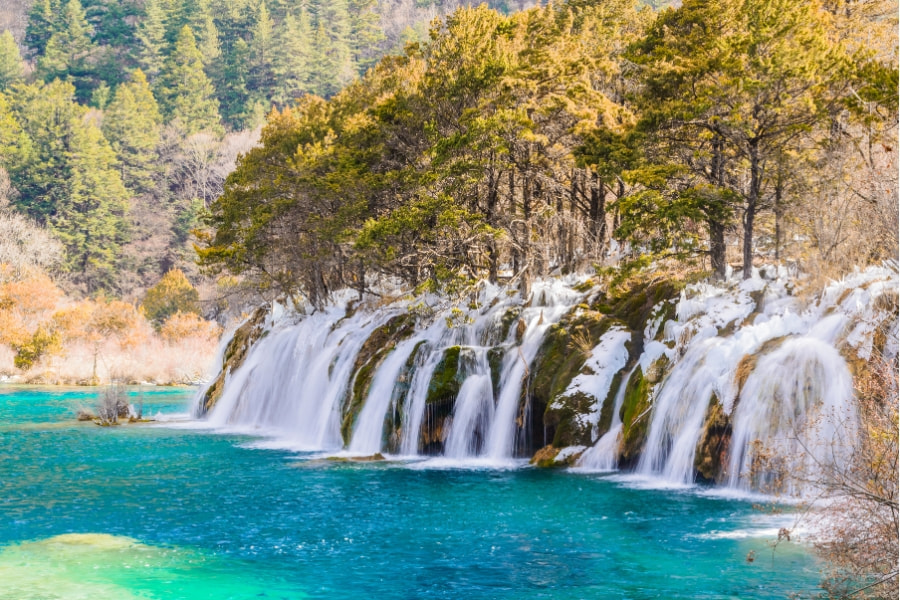
Jiuzhaigou is one of the most visually distinctive natural destinations in China.
The mineral-colored lakes, waterfalls, forests, and Tibetan atmosphere create scenery that feels very different from eastern Chinese cities.
For travelers who want at least one route focused mainly on nature, Jiuzhaigou is one of the strongest choices.
The main challenge is logistics. Transportation takes more planning than destinations such as Beijing or Shanghai, and the park itself is large enough to become physically tiring without proper pacing.
This destination works much better when travelers allow enough time instead of trying to squeeze it into an already overloaded itinerary.
Go to Yunnan if You Prefer Slower Travel
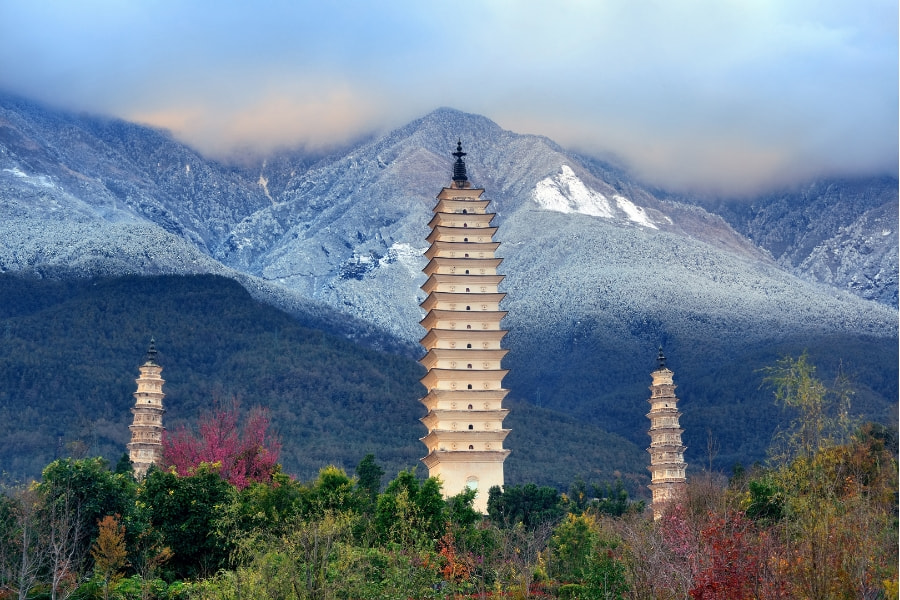
Not every traveler wants a fast-moving route built entirely around major cities.
Yunnan is often a better fit for travelers who prefer:
Mountain scenery
Smaller towns
Ethnic culture
Gentler climate
Slower pacing
Places such as Lijiang, Dali, Shangri-La, and Kunming all feel very different from eastern urban China.
This is one reason Yunnan works especially well for second-time visitors, couples, and travelers planning longer journeys through southwest China.
The overall rhythm is usually calmer and less pressured than Beijing or Shanghai.
Choose Zhangjiajie if You Want Dramatic Mountain Scenery
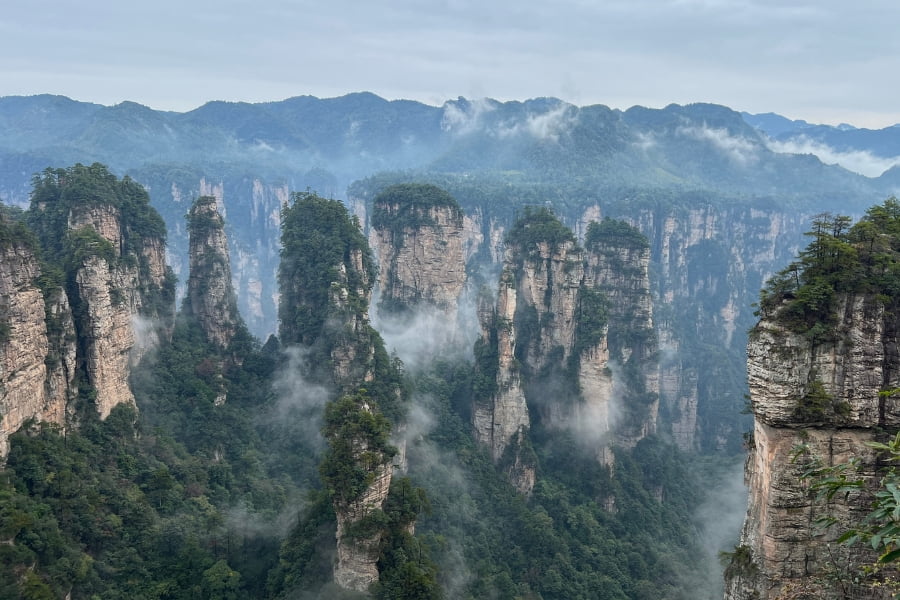
Some destinations in China feel scenic. Zhangjiajie feels cinematic.
The vertical sandstone peaks and mountain landscapes are very different from the river scenery in Guilin or alpine scenery in western China.
This destination works best for travelers who genuinely prioritize nature because the area requires longer sightseeing days, elevation changes, shuttle systems, and significant walking.
Travelers who add Zhangjiajie casually without enough time often underestimate how physically demanding the trip can become.
When planned properly, it is usually one of the most memorable scenery-focused destinations in China.
Choose Chongqing if You Want Energy and Night Views
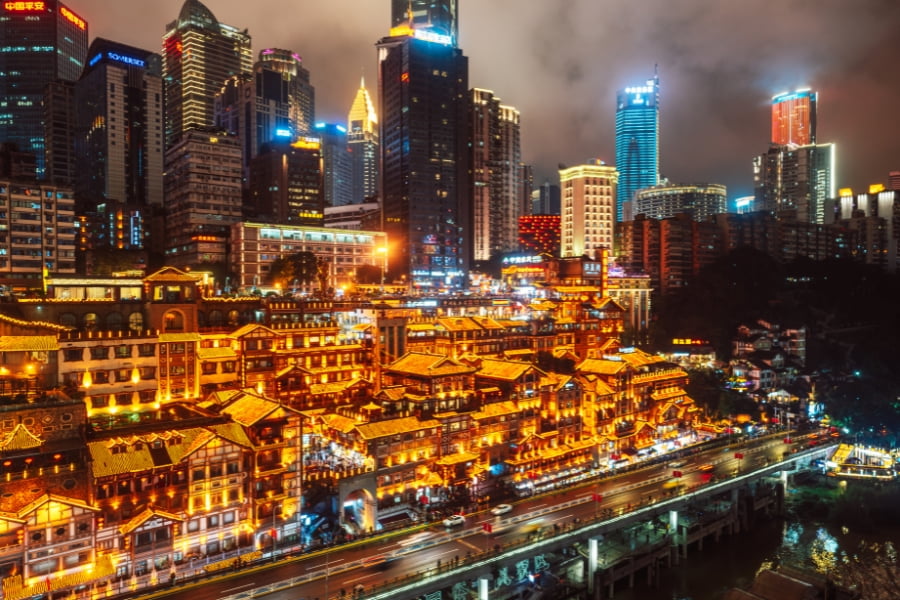
Chongqing is one of the most visually intense cities in China.
The city combines steep mountain geography, layered highways, river views, hot pot culture, and dense urban neighborhoods in a way that feels completely different from Beijing or Shanghai.
At night, areas such as Hongyadong and the riverfront skyline become one of the most recognizable urban scenes in China.
Chongqing is especially strong for:
Food lovers
Night photography
Repeat visitors
Travelers who enjoy dense urban environments
The city can feel overwhelming at first, but that complexity is also part of what makes it memorable.
How to Choose the Right China Experiences
The best China routes usually follow one clear logic.
Travelers interested mainly in imperial history should prioritize Beijing and Xi'an. Travelers focused on food and slower pacing often enjoy Chengdu more than expected. Travelers who care most about scenery need to decide whether they prefer river landscapes, dramatic mountains, alpine lakes, or grassland regions.
One common mistake is trying to combine every famous destination into one trip.
China usually works better when:
Routes are geographically efficient
Transfer days are reduced
Similar experiences are grouped together
Travelers allow recovery time between major cities
This becomes especially important in western regions such as Xinjiang, Yunnan, and Jiuzhaigou where transportation takes longer than many travelers initially expect.
Start With Your Interests, Not a Standard Route
If you are still deciding what to see in China, start with your actual interests rather than forcing yourself into a fixed itinerary.
Some travelers care most about:
History
Food
Mountain scenery
Family-friendly travel
Modern cities
Silk Road culture
The strongest routes are usually built around one or two of those priorities instead of trying to include everything at once.
A well-designed China trip should feel balanced and manageable, not like an obstacle course between airports and train stations.
FAQ
What Are the Best Places to Visit in China for First-Time Travelers?
For most first-time visitors, Beijing, Xi'an, Shanghai, and Chengdu create one of the strongest combinations because the route balances history, food, modern city life, and manageable transportation.
Which Scenic Destination Is Best in China?
That depends on the type of scenery you prefer. Guilin is best for river landscapes, Zhangjiajie for dramatic mountains, Jiuzhaigou for alpine lakes, and Xinjiang for grasslands and large-scale western scenery.
Is Xinjiang Worth Visiting for International Travelers?
Yes, especially for travelers interested in Silk Road culture, horse trekking, grasslands, and landscapes very different from eastern China. The region requires more travel time, but many travelers consider it one of the most rewarding parts of China.
How Many Places Should You Visit in One China Trip?
Most first-time travelers enjoy China more when they focus on fewer destinations. Two to four main regions usually create a smoother and less exhausting itinerary.
Is China Easy to Travel Independently?
Major cities such as Beijing, Shanghai, and Chengdu are much easier to navigate than many travelers expect. More remote regions such as Xinjiang or western Sichuan usually require more planning and longer transportation days.