Most first-time travelers approach food in China the wrong way. They either stay too safe and spend the trip eating hotel food, or they try random dishes without understanding which foods actually matter in each region.
China's food culture changes dramatically between cities. Beijing, Chengdu, Guangzhou, Xi'an, Shanghai, and Xinjiang do not feel like small regional variations. They often feel like completely different food systems shaped by climate, religion, trade history, and local ingredients.
The best approach is usually not trying everything. It is choosing the right dishes in the right places and building the route around regional strengths.
Why Many Travelers Eat Badly in China
The problem is usually not the quality of the food. It is weak planning.
A lot of travelers spend the entire day moving between attractions and only think about food once they become hungry. That often leads to tourist restaurants near major landmarks, convenience stores, or random online recommendations that do not actually represent local food culture very well.
China works better when food becomes part of the route itself.
In Beijing, northern wheat-based dishes and roast duck make more sense than searching for Cantonese seafood. In Chengdu, late dinners and layered spice are part of the local rhythm. In Guangzhou, freshness and ingredient quality matter more than aggressive seasoning. In Xinjiang, meals are usually larger, heavier, and more connected to Central Asian and Muslim food traditions than eastern Chinese cuisine.
The city should guide the food choice.
This is one reason food-focused travelers often enjoy China more when the itinerary is planned carefully in advance. The goal is not finding the most expensive restaurant. It is understanding which dishes are genuinely local and worth the meal.
What Makes Chinese Food So Regional?
Many travelers arrive expecting “Chinese food” to feel relatively consistent across the country. In reality, regional differences are one of the most important parts of eating in China.
Northern China relies more on wheat-based food such as noodles, dumplings, pancakes, and buns because the climate supports wheat farming better than rice cultivation.
Southern China tends to focus more on rice, seafood, soups, and lighter seasoning.
Sichuan cuisine is known for chili oil, garlic, fermented flavors, and Sichuan peppercorn, while Cantonese food usually focuses more on freshness, texture, and balanced seasoning.
Xinjiang is completely different again. Lamb, beef, yogurt, naan bread, cumin, onions, and grilled skewers are much more common than the dishes many international travelers associate with eastern Chinese cities.
This is why food planning matters so much in China. The country is too large and too regionally varied to treat meals as an afterthought.
What Should First-Time Travelers Eat in China?
For most first-time visitors, these are the dishes most worth prioritizing during a China trip.
Peking Duck
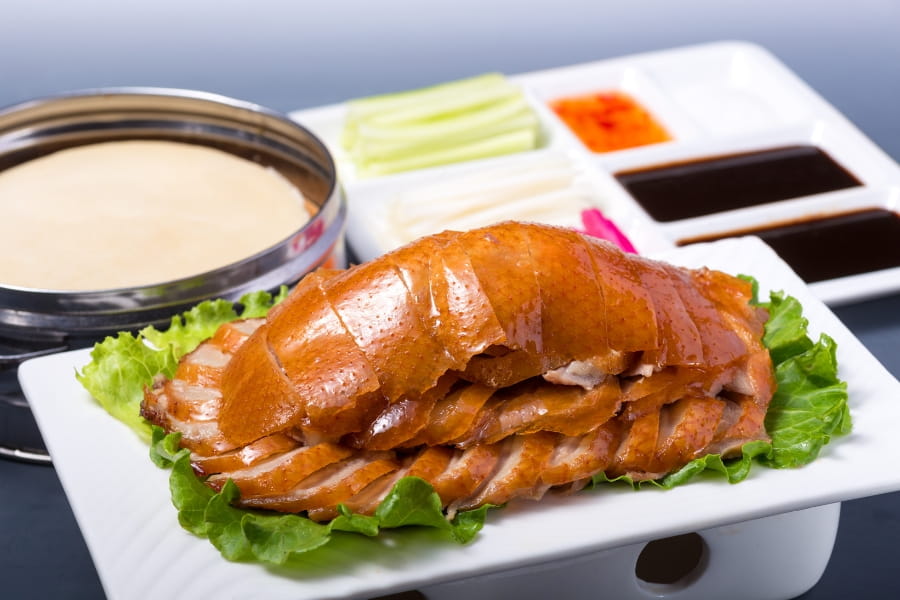
If Beijing is part of your route, Peking duck is still one of the strongest first meals to try.
A proper version is less heavy than many travelers expect. The crisp skin, thin pancakes, cucumber, scallion, and sauce create a balanced meal rather than simply roasted meat.
This is also one of the easiest introductions to northern Chinese cuisine because it feels familiar while still being distinctly local.
Xiaolongbao
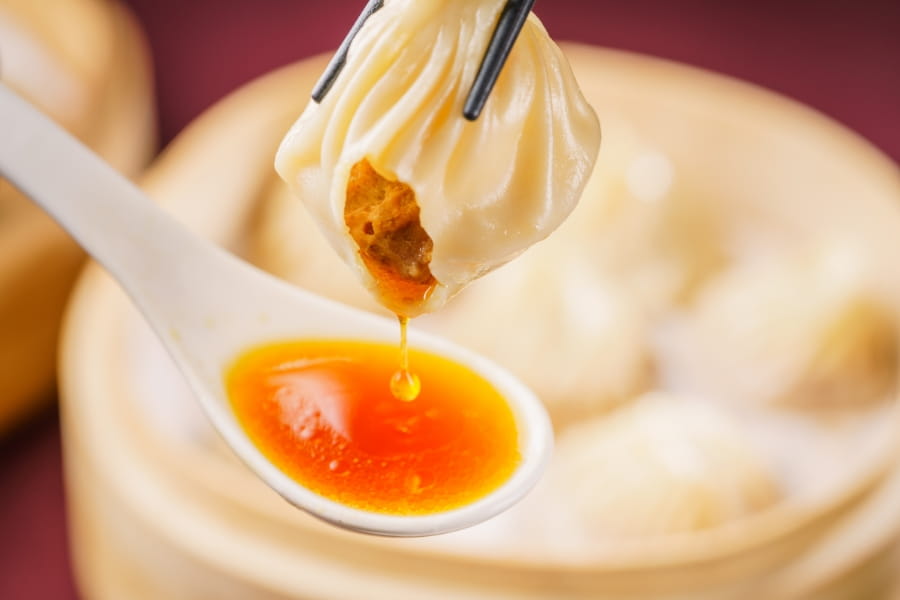
Xiaolongbao is most closely associated with Shanghai and nearby Jiangnan cities.
The dish looks simple, but a good version has delicate skin, rich broth, and a very controlled texture that is difficult to reproduce outside the region.
For many travelers, this is the dish that changes their understanding of Chinese food from “generic” to highly regional.
Sichuan Hot Pot
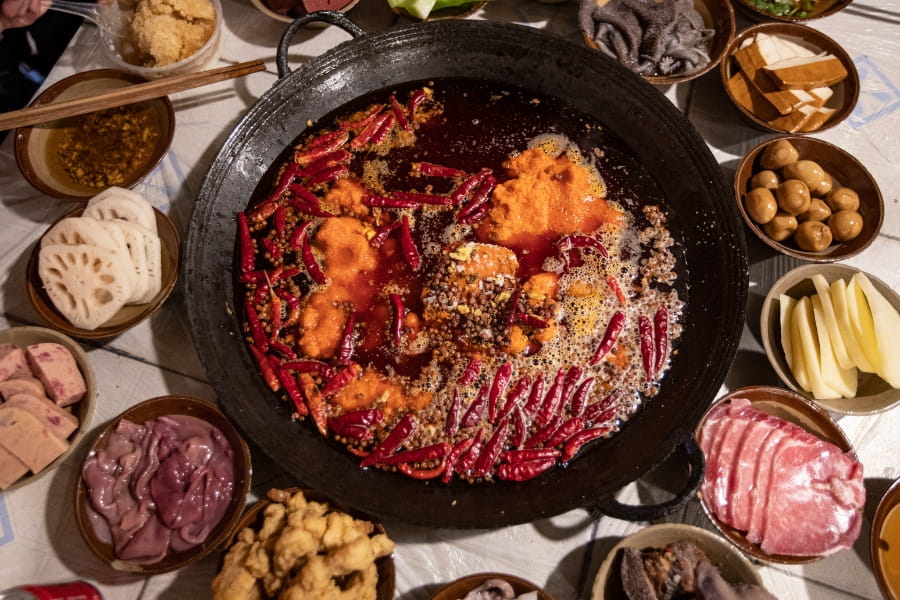
Many travelers assume hot pot is only about extreme spice, but the experience is much more flexible than that.
You choose the broth, ingredients, dipping sauces, and pace yourself. Split broths also make the meal easier for travelers with different spice tolerance levels.
In Chengdu, hot pot is less about rushing through a meal and more about long social dinners and shared atmosphere.
Dim Sum
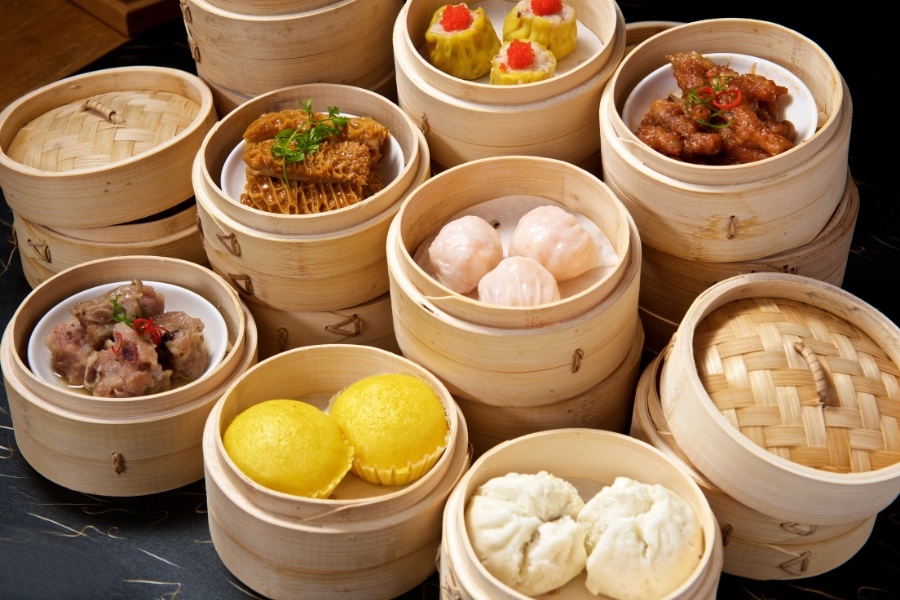
Dim sum is one of the easiest ways for first-time travelers to explore Cantonese food.
Instead of ordering one large dish, the meal is built around smaller items such as shrimp dumplings, barbecue pork buns, rice noodle rolls, and egg tarts.
This format works especially well for cautious eaters because travelers can try multiple dishes without committing to one unfamiliar flavor.
Biangbiang Noodles
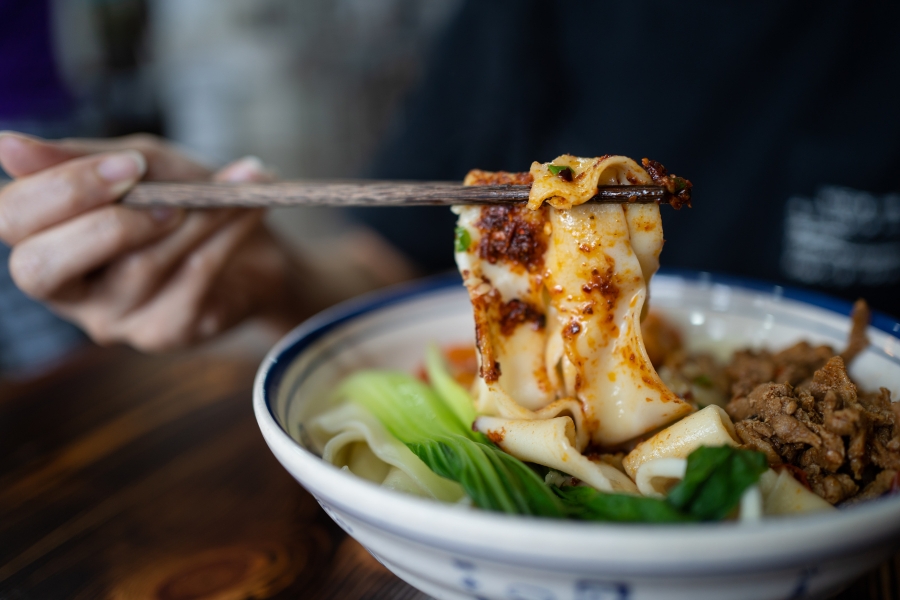
These hand-pulled noodles from Shaanxi are one of the strongest examples of northern regional food culture.
The noodles are thick, chewy, heavily seasoned, and usually served with chili oil, garlic, and vinegar.
For many travelers, this is the moment when Chinese food starts feeling deeply local instead of internationally standardized.
Xinjiang Lamb Skewers
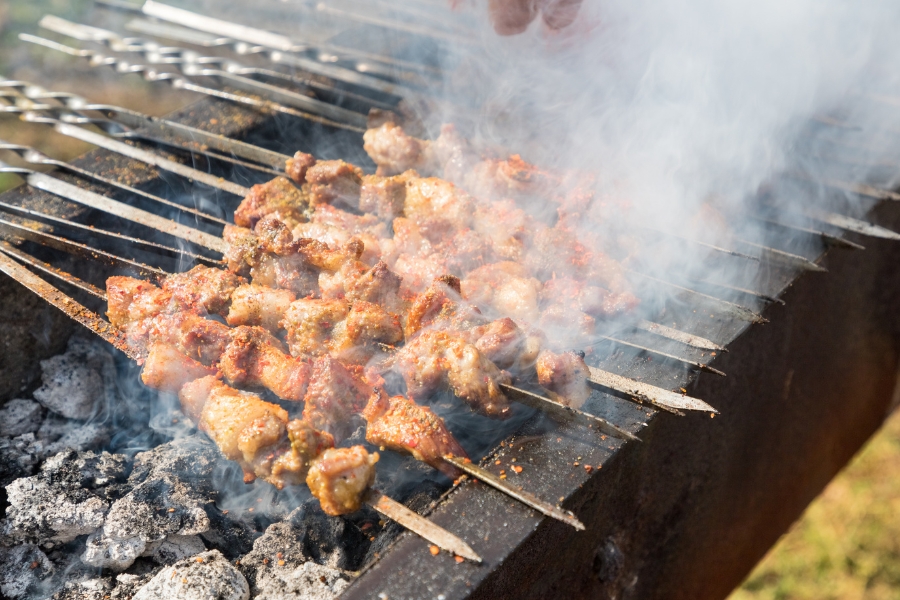
If your route includes Xinjiang, lamb skewers are one of the most representative foods to try.
Unlike eastern Chinese barbecue styles, Xinjiang skewers rely heavily on cumin, chili, salt, and open-fire grilling. The flavor profile reflects the region's Central Asian influence more than coastal Chinese cooking traditions.
In cities such as Kashgar and Urumqi, grilled lamb skewers are often paired with naan bread, yogurt drinks, or hand-pulled noodles. Evening barbecue streets become especially active after sunset, and meals are usually slower and more social than in many eastern cities.
For travelers exploring Silk Road routes, Xinjiang food is often one of the clearest reminders that western China feels culturally different from Beijing or Shanghai.
Mapo Tofu
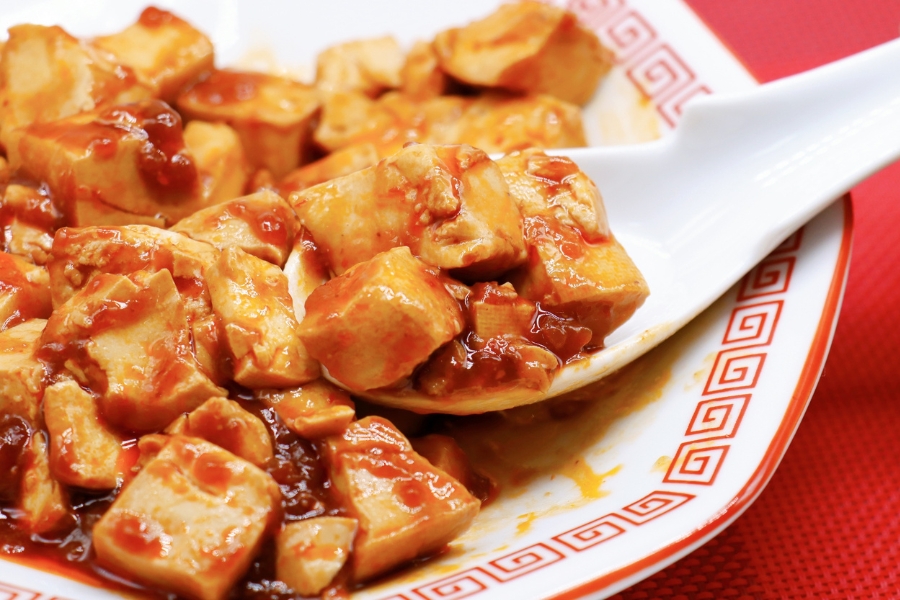
A proper mapo tofu should feel layered rather than aggressively spicy.
The dish combines tofu, fermented bean paste, chili oil, and Sichuan peppercorn into a flavor that is savory, slightly numbing, and balanced.
Even travelers who normally dislike tofu often end up enjoying mapo tofu in Sichuan because the texture and seasoning feel completely different from overseas versions.
Dumplings
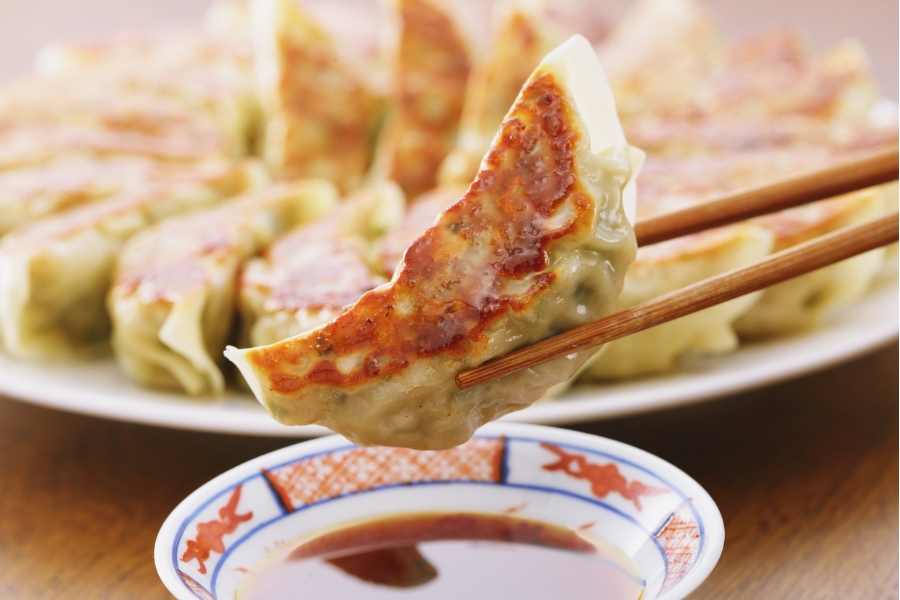
Dumplings are one of the safest and most practical foods for first-time visitors.
They are widely available, filling, and easy to understand visually. In northern cities such as Beijing and Xi'an, dumplings are part of daily food culture rather than only a tourist experience.
They also work well on train days or arrival days when travelers want something reliable without spending too much time searching for restaurants.
Char Siu
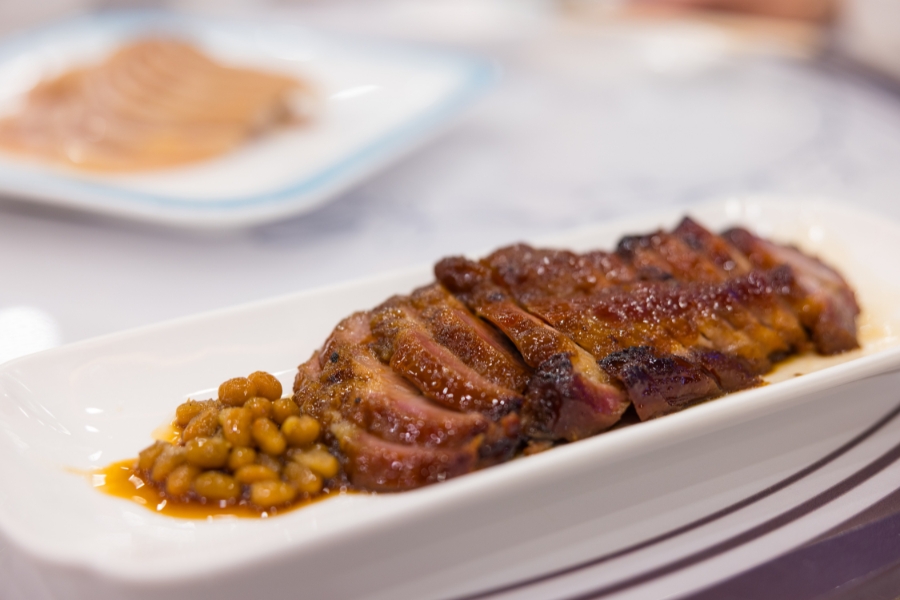
Char siu is Cantonese-style barbecue pork with a sweet and savory glaze.
For international travelers, this is often one of the easiest regional dishes to enjoy immediately because the flavor profile feels approachable while still being distinctly local.
In Guangzhou and Hong Kong-style restaurants across southern China, char siu is commonly paired with rice, noodles, or roast meat platters.
Sweet and Sour Pork
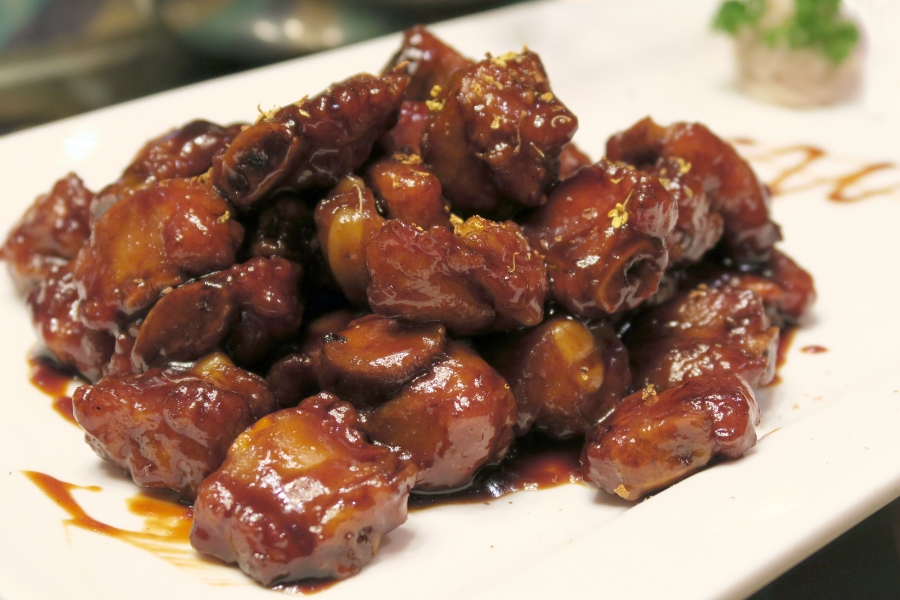
Many travelers already know this dish from overseas Chinese restaurants, but the version in China is usually lighter and less sugary.
A well-made version focuses more on crisp texture and acidity balance than heavy sauce.
For cautious eaters, sweet and sour pork is still one of the easiest entry-level dishes to try during a first China trip.
What Food Is Safe to Eat in China?
In most cases, food safety problems come from poor pacing rather than dangerous food itself.
The safest approach is simple. Eat food that is freshly cooked and served hot. Busy restaurants with fast turnover are usually safer than empty restaurants near major tourist attractions.
Travelers should also be more careful with:
Raw seafood
Unrefrigerated dishes
Cut fruit from uncertain sources
Extremely spicy meals during the first days
One common mistake is treating the beginning of the trip like a food challenge. China's regional flavors can be very different from what many travelers are used to, especially in Sichuan or Xinjiang where spice, oil, and lamb-heavy meals may affect sensitive stomachs more quickly.
It is usually smarter to start with simpler dishes and gradually expand your comfort zone.
How to Plan a China Trip Around Food
Food planning should happen together with route planning.
If your priority is classic first-time dishes, Beijing, Xi'an, Shanghai, Chengdu, Guangzhou, and Xinjiang create one of the strongest food routes in China because each region feels clearly different from the next.
A route through Beijing and Xi'an introduces northern wheat-based cuisine and Muslim food influences. Chengdu focuses more on layered spice and slower dining culture. Guangzhou works better for travelers who prefer lighter Cantonese flavors and dim sum culture. Xinjiang adds something completely different again with grilled meat, naan bread, yogurt drinks, and Silk Road food traditions.
The strongest food itineraries usually balance heavier and lighter regions instead of stacking similar meals back to back.
This is one reason customized routes often work better than generic city lists. Food affects energy level, pacing, and even sightseeing comfort more than many travelers expect.
Why Xinjiang Food Feels Different From Eastern China
For many travelers, Xinjiang becomes one of the most memorable food regions in China because the cuisine feels culturally distinct from eastern Chinese cities.
The region's Silk Road history, Uyghur culture, and Central Asian influences create a food style centered around:
Lamb
Beef
Flatbread
Yogurt
Grilled meat
Cumin-based seasoning
Rice dishes such as polo, hand-pulled noodles, and open-fire barbecue are much more common than the seafood and rice-focused meals travelers often associate with Shanghai or Guangzhou.
Food markets in Kashgar and Urumqi also feel different from eastern Chinese street food districts. The atmosphere is slower, meat preparation is more visible, and many dishes are cooked directly over charcoal fires.
For travelers interested in Silk Road culture, Xinjiang is often one of the strongest food destinations in the country.
Final Advice for Eating in China
The best food experiences in China usually come from eating regionally instead of trying random dishes everywhere.
You do not need to be adventurous to eat well in China. You simply need a route that makes sense and a basic understanding of what each region does best.
For most travelers, a smaller number of well-chosen meals creates a much stronger impression than trying to eat everything in one trip.
FAQ
What Should First-Time Visitors Eat in China?
Peking duck, dumplings, dim sum, xiaolongbao, hot pot, and Xinjiang lamb skewers are usually strong starting points for first-time travelers.
Which Chinese City Is Best for Food?
Chengdu is often considered the strongest overall food city for first-time travelers, while Guangzhou is better for Cantonese cuisine and Xinjiang is ideal for travelers interested in Silk Road and Central Asian flavors.
Is Chinese Food Safe for Foreign Travelers?
In most cases, yes. Freshly cooked food from busy restaurants is generally safe. Most stomach problems come from sudden dietary changes or poor pacing.
Is Street Food Worth Trying in China?
Yes, but choose busy vendors with high turnover and freshly cooked food. This is especially important in large night markets and barbecue areas.
What Food Is Xinjiang Famous For?
Xinjiang is best known for lamb skewers, hand-pulled noodles, polo rice dishes, naan bread, and cumin-heavy barbecue culture influenced by Silk Road trade history.
How Can I Plan a China Food Trip?
Start with the regions first, then match signature dishes to those cities. Food-focused routes usually work best when transportation, pacing, and meal planning are considered together.