Planning a family trip to China is usually less about finding famous places and more about controlling pace. Many parents start with a long wish list, then realize too late that China's distances, stations, and transfer days can wear children down much faster than expected.
The families who enjoy China most are usually not the ones trying to see everything. They are the ones who build the trip around energy, rhythm, and a few experiences their children will actually remember years later.
Start With the Kind of Trip Your Family Actually Wants
A lot of family itineraries become difficult because parents try to combine too many different versions of China into one route.
Beijing, Xi'an, Shanghai, Chengdu, Guilin, and Zhangjiajie may all look possible on paper. In reality, moving constantly between cities usually creates more stress than value, especially once luggage, train stations, and tired children enter the equation.
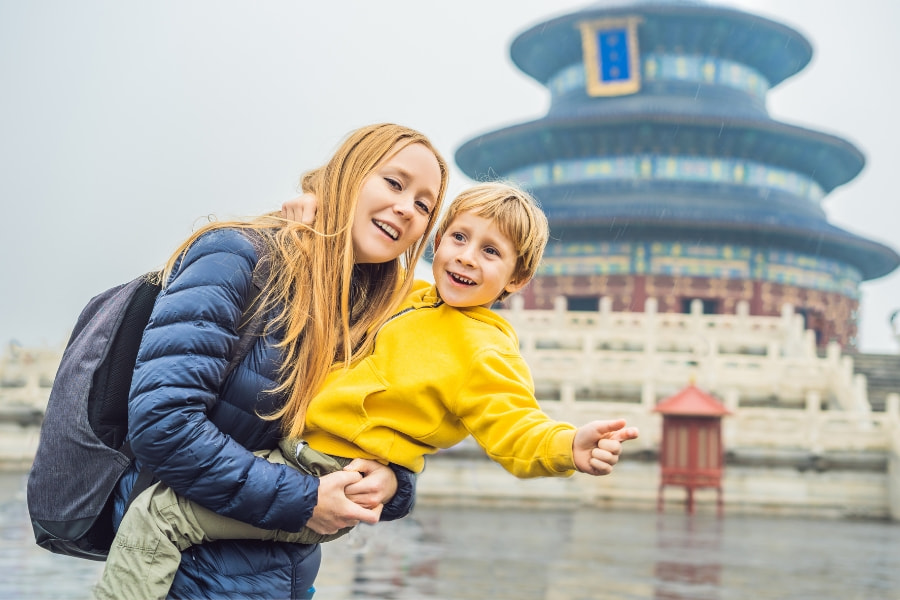
For most first-time families, Beijing and Xi'an are still the easiest starting point. Children respond well to places that feel visually immediate. The Great Wall does not require much explanation. Neither does the scale of The Forbidden City or the rows of the Terracotta Army.
Chengdu works differently. Families usually choose it because of pandas, but the real advantage is pace. The city feels softer than Beijing or Shanghai, meals tend to last longer, parks and tea houses slow the rhythm down, and children often stay in a better mood there without parents needing to constantly manage the day.
Shanghai is often the easiest major city logistically. Transportation is smooth, daily life feels modern and convenient, and the contrast between old neighborhoods and futuristic skyline areas helps children feel that they are somewhere very different without the trip becoming physically exhausting.
Children Usually Remember Experiences, Not Landmark Counts
Parents often spend too much time optimizing efficiency and not enough time thinking about emotional memory.
Children rarely come home talking about how many attractions they completed. They remember feeding animals, climbing part of The Great Wall, eating dumplings in a busy street, riding a boat in Guilin, or watching pandas for an hour longer than originally planned.
That is why the strongest family routes usually leave room for flexibility.
A day in Beijing works better when it combines one major historical site with something lighter afterward. After The Forbidden City, children usually respond much better to a slower hutong walk or a snack street than another large museum.
The same pattern works across China. In Xi'an, families often enjoy the Muslim Quarter as much as the Terracotta Army because it feels active and sensory instead of formal. In Chengdu, pandas in the morning followed by an easy local food street often creates a better day than trying to force several attractions together.
Xinjiang Can Be Surprisingly Good for Older Children
Most families do not initially consider Xinjiang, but for older children it can become one of the most memorable parts of a China trip.
Northern Xinjiang especially feels completely different from eastern China. The landscapes are larger, the roads are quieter, and experiences become much more outdoor-focused.
Places such as Nalati Grassland, Hemu Village, and Kanas Lake work well for families who enjoy:
Horse riding
Open scenery
Light hiking
Animal experiences
Slower countryside pacing
Children often react strongly to the scale of Xinjiang because the region feels less controlled and less urban than Beijing or Shanghai. Grasslands, forests, yurts, and mountain roads create a very different atmosphere from classic city itineraries.
The region does require more travel time, so it usually fits better into longer trips or second visits to China rather than short first-time itineraries with very young children.
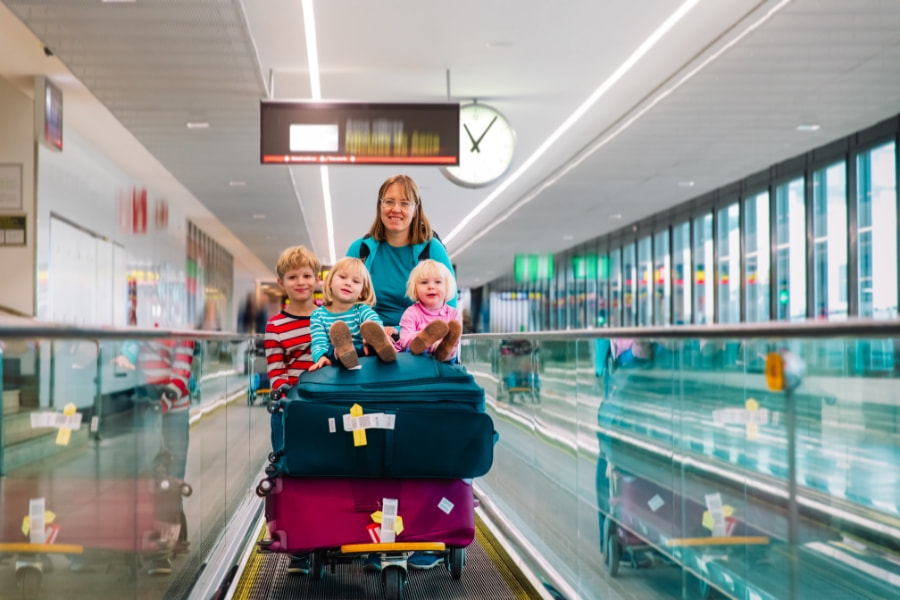
Transportation Matters More Than Parents Expect
China's high-speed rail system is excellent, but families often underestimate how tiring travel days can still become.
A train transfer is rarely just “take the train.” It usually includes packing, station security, waiting areas, luggage movement, arrival navigation, and hotel transfers afterward.
This is why many families eventually use a mix of trains and private transfers instead of relying completely on one option.
High-speed rail works very well between major cities such as Beijing, Xi'an, and Shanghai. Private cars become more useful on heavier sightseeing days, countryside routes, airport transfers, or trips involving grandparents and younger children.
The goal is not luxury. It is reducing friction. A smoother transfer day often improves the entire trip more than adding another attraction.

Build the Trip Around Energy, Not Attraction Count
One of the most useful family travel rules in China is surprisingly simple — stop planning every day as a “full day.”
China's major attractions are often much larger than families expect. A morning at The Great Wall is usually enough for one day when transport and walking are included. Zhangjiajie can become exhausting if parents underestimate stairs, shuttle systems, and queue times. Even Shanghai can feel tiring if families move too aggressively between districts.
The families who enjoy China most usually leave space between major experiences.
A strong family day often looks something like this:
one important attraction in the morning, a slower lunch, then a lighter afternoon with room to shorten the schedule if children lose energy.
That rhythm works much better than trying to maximize sightseeing efficiency from morning to night.

Food Usually Shapes the Mood of the Trip
Parents planning China family travel often worry about transportation first, but food usually affects daily mood even more.
Children generally adapt to China better when meals feel familiar enough at the beginning of the trip. Dumplings, noodles, rice dishes, roast duck, barbecue skewers, and Cantonese-style meals are usually easier starting points than extremely spicy food or complicated regional specialties.
Chengdu is a good example of this balance. Adults may focus on Sichuan cuisine, but families often end up enjoying the slower tea house culture, snack streets, and relaxed meal pacing just as much.
Xinjiang can also work surprisingly well for families because many dishes are simple and recognizable. Lamb skewers, naan bread, rice dishes, and hand-pulled noodles are often easier for children than heavily seasoned eastern regional cuisine.
The important thing is avoiding rigid schedules around meals. Families usually enjoy China more when there is enough flexibility to stop, rest, and eat naturally instead of treating every meal as part of a fixed timetable.
When Planning Everything Yourself Stops Being Efficient
China is much easier to travel than many parents expect, but family logistics still add pressure quickly.
A missed transfer, poorly located hotel, overpacked sightseeing day, or difficult restaurant choice affects a couple differently than it affects a family traveling with children.
That is usually the point where customized planning becomes useful.
For many families, the value is not simply having a guide or driver. It is knowing the route has already been adjusted around:
realistic pacing
child energy levels
transportation timing
hotel areas
practical sightseeing flow
This becomes especially important in places such as Xinjiang, Jiuzhaigou, or Zhangjiajie where distances and movement are more complicated than they initially appear online.
Hiorient Travel usually works best for families who already know roughly what kind of trip they want but need help turning that idea into a route that actually feels manageable once the trip begins.
Final Advice for Planning a China Family Trip
The best family trips in China usually feel slower than parents originally expect.
Children do not need every famous attraction. They need enough variety, enough comfort, and a few experiences that feel emotionally memorable.
For some families, that becomes pandas in Chengdu. For others, it is climbing The Great Wall, riding horses in Xinjiang, walking through old streets in Xi'an, or watching Shanghai light up at night.
A good family route should leave everyone curious for the next day, not exhausted by the previous one.
FAQ
How Many Days Do Families Need for China?
For most first-time families, 6 to 12 days is usually the most comfortable range. That allows enough time for two or three regions without making the trip feel dominated by transfers.
Which Cities Are Best for Family Travel in China?
Beijing, Chengdu, Shanghai, and Xi'an Xinjiang are usually the easiest starting points because they balance transportation, sightseeing, food, and family-friendly pacing well.
Is Xinjiang Good for Family Travel?
Xinjiang works best for families with older children who enjoy outdoor scenery, horse riding, grasslands, and slower countryside experiences. The region requires longer transportation days than eastern China.
Should Families Use Trains or Private Cars?
Most families do best with a combination of both. High-speed rail works well between major cities, while private cars help reduce stress on sightseeing days and countryside routes.
Is China Difficult for Children?
In most cases, no. The bigger challenge is usually pacing rather than safety or infrastructure. Children generally adapt well when routes are realistic and not overloaded.