The Year of the Horse represents movement, independence, ambition, and momentum in Chinese culture. People born in Horse years are traditionally associated with energy, adaptability, and a preference for freedom over routine.
The most recent Horse year begins on Feb. 17, 2026, and ends on Feb. 5, 2027. According to the Chinese zodiac cycle, 2026 is the Year of the Fire Horse, a combination linked with fast-paced change, strong motivation, and emotional intensity.
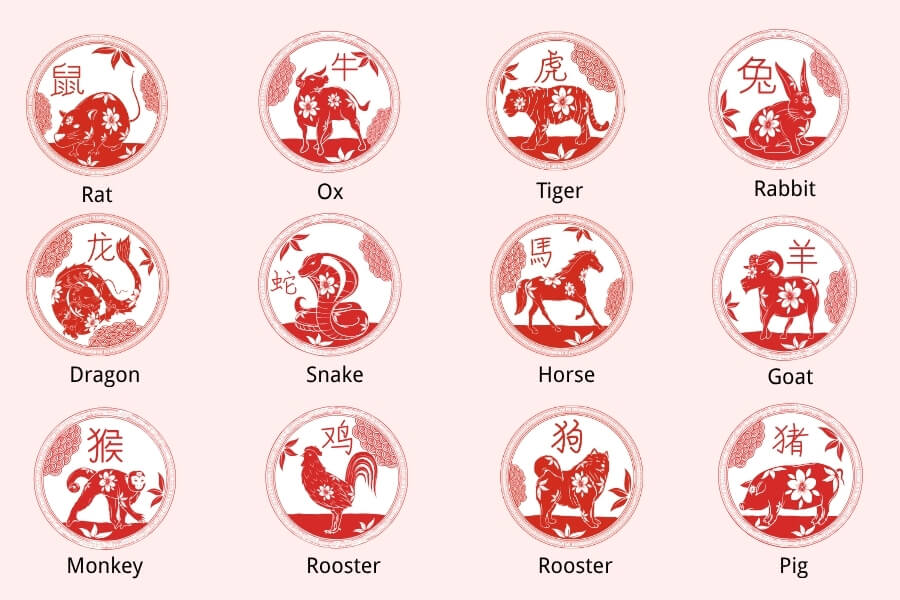
For travelers visiting China during Spring Festival or exploring traditional culture, the Horse is one of the zodiac signs most closely connected with movement, long-distance travel, and Silk Road history.
Why the Horse Is Important in Chinese Culture
In traditional Chinese culture, the Horse symbolizes speed, persistence, loyalty, and progress. Historically, horses were essential for transportation, military communication, trade caravans, and frontier expansion across northern and western China.
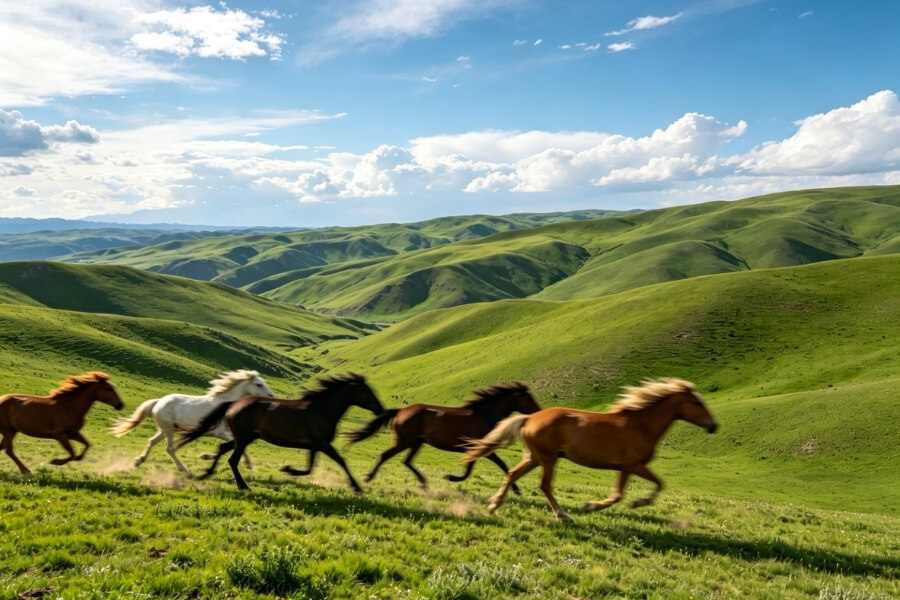
The Horse is especially connected with:
Silk Road trade routes
Imperial cavalry history
Long-distance travel
Career advancement and success
Independence and personal ambition
Chinese idioms such as “马到成功” — often translated as “success arrives with the horse” — reflect the traditional belief that horses represent momentum and achievement.
Travelers interested in Chinese history will notice horse imagery throughout many historical regions, especially in Xi'an, Gansu, Xinjiang, and Inner Mongolia. Museums, tomb murals, ancient statues, and temple decorations frequently include horses because of their role in trade and military culture.
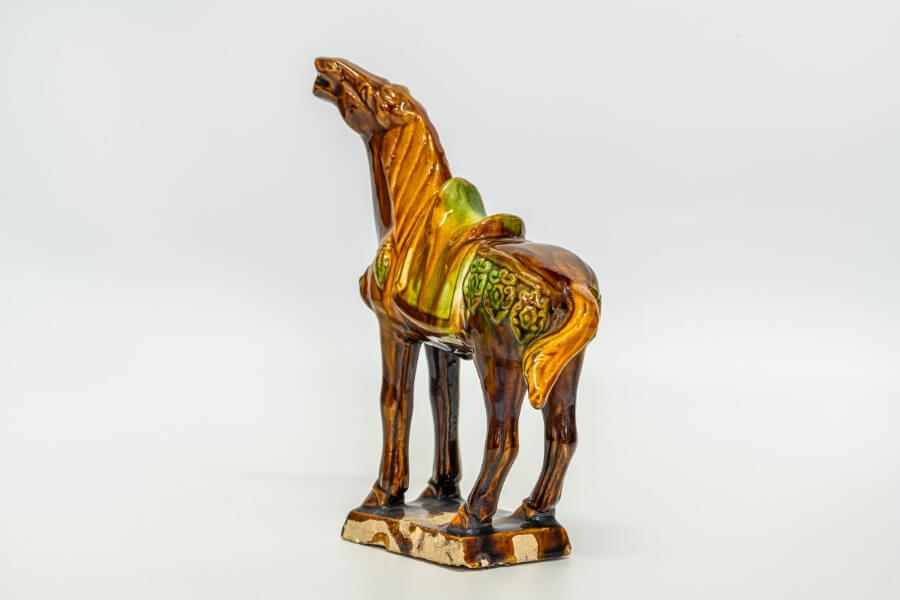
For visitors planning a Silk Road route, understanding horse symbolism also helps explain why movement, exploration, and endurance remain central themes in many western China destinations today.
Which Years Are the Year of the Horse?
The Chinese zodiac follows a 12-year cycle, with each year represented by one animal.
Recent Horse years include:
| Horse Year | Element |
|---|---|
| 1942 | Water Horse |
| 1954 | Wood Horse |
| 1966 | Fire Horse |
| 1978 | Earth Horse |
| 1990 | Metal Horse |
| 2002 | Water Horse |
| 2014 | Wood Horse |
| 2026 | Fire Horse |
Unlike the Gregorian calendar, the Chinese zodiac year begins according to the lunar calendar, usually between late January and mid-February.
The 2026 Year of the Horse starts on Feb. 17, 2026, and ends on Feb. 5, 2027.
People born in January or early February should check the exact lunar calendar dates before confirming their zodiac sign.
Travelers visiting China during January or February should also pay attention to Spring Festival dates rather than Western New Year dates, since zodiac celebrations follow the lunar calendar.
What Is a Fire Horse in Chinese Zodiac Culture?
Each Chinese zodiac sign rotates through five elements:
Wood
Fire
Earth
Metal
Water
This creates a repeating 60-year cycle in traditional Chinese culture.
Wood Horse
Birth years include 1954 and 2014.
Wood Horses are often associated with flexibility and cooperation. Travelers interested in zodiac culture sometimes connect this personality type with slower-paced journeys, cultural towns, and nature-focused itineraries instead of heavily scheduled city tours.
Fire Horse
Birth years include 1966 and 2026.
Fire Horses are traditionally linked with energy, confidence, and fast decision-making. This symbolism aligns closely with adventurous routes such as Silk Road journeys, grassland regions, and longer overland travel experiences across Western China.
However, traditional interpretations also associate Fire Horse years with emotional impulsiveness and burnout. Travelers planning multi-region trips during busy seasons may prefer slower pacing and additional rest days.
Earth Horse
Birth year includes 1978.
Earth Horses are generally viewed as practical and stable. Travelers interested in this zodiac interpretation often prefer structured itineraries with predictable transportation and comfortable pacing.
Metal Horse
Birth year includes 1990.
Metal Horses are associated with ambition and independence. In travel planning, this personality style may fit flexible private tours better than fixed group schedules, especially for destinations with long travel distances such as Xinjiang or Gansu.
Water Horse
Birth year includes 2002.
Water Horses are traditionally connected with adaptability and communication. Travelers interested in cultural interaction, local markets, and regional food experiences may find this interpretation especially relatable.
Common Personality Traits of People Born in the Year of the Horse
People born in the Year of the Horse are traditionally associated with movement, independence, and adaptability. In Chinese culture, these traits are often linked with people who enjoy exploration, flexible lifestyles, and environments that offer variety.
Common Strengths
Energetic and action-oriented
Independent and adaptable
Socially confident
Comfortable with change
Curious about new experiences
Travelers interested in Horse zodiac culture often prefer destinations with open landscapes, cultural variety, and flexible pacing. Regions such as Xinjiang, Inner Mongolia, and the Silk Road corridor are commonly associated with these qualities because transportation routes, scenery, and local traditions emphasize movement and exploration rather than fixed schedules.
Common Challenges
Impatience during slow progress
Emotional impulsiveness
Difficulty with repetitive routines
Easily distracted by new interests
Resistance to strict structure
For travel planning, this usually means Horse-type travelers may feel more comfortable with itineraries that include free time, scenic overland travel, and fewer same-day city transfers. Highly compressed schedules can sometimes create unnecessary fatigue, especially on longer China routes.
Personality Differences Between Men and Women
Traditional interpretations often describe Horse men as competitive, direct, and career-focused. Horse women are usually associated with confidence, independence, and strong personal space awareness.
In practical travel terms, travelers interested in Horse zodiac culture often prioritize freedom of movement, efficient transportation, and the ability to adjust plans during the trip instead of following rigid tour structures.
What 2026 May Bring for Horse People
Traditional Chinese zodiac interpretations describe 2026 as a year of mixed momentum for Horse people. The first half of the year may feel unstable, while conditions gradually become calmer after late summer.
Rather than treating these predictions as fixed outcomes, many travelers view them as cultural guidance connected with pacing, stress management, seasonal timing, and personal balance.
Career and Work
Traditional interpretations suggest that career pressure may increase during 2026, especially in fast-moving industries such as technology, communication, management, and creative work.
Periods associated with stronger momentum include:
| Month | Traditional Interpretation |
|---|---|
| May | Recognition and career visibility |
| July | Better cooperation and networking |
| September | Improved leadership and creativity |
| November | Higher stress and workplace pressure |
For travelers planning longer trips in China, September also overlaps with one of the most comfortable travel seasons across Northern and Western China. Cooler weather, clearer visibility, and lower summer crowd levels make this period especially suitable for Silk Road routes and grassland regions.
Travelers balancing work schedules with vacation planning may find autumn itineraries easier to manage than peak summer periods.
Money and Financial Stability
Traditional horoscope interpretations usually describe 2026 as financially stable overall, though emotional spending and impulsive decisions are often mentioned as risks.
In practical terms, this aligns with an important travel planning principle — long-distance routes across Western China usually require more transportation coordination and flexible budgeting than major eastern cities.
Travelers planning Xinjiang, Gansu, or Inner Mongolia routes may benefit from:
Allowing additional transportation time
Preparing for regional flight adjustments
Using flexible pacing instead of compressed itineraries
Avoiding overly aggressive multi-city schedules
September and October are often considered more stable travel periods because temperatures become milder and domestic summer tourism decreases.
Relationships and Marriage
Traditional interpretations often associate 2026 with emotional fluctuation and communication challenges.
For travelers, this is one reason private or slower-paced itineraries are increasingly preferred by couples visiting remote regions such as Xinjiang or the Silk Road corridor. Long driving distances and changing weather conditions can become tiring if schedules are rushed.
Travelers planning couple-focused trips may prefer:
Fewer hotel changes
Longer stays in each destination
Scenic train journeys
Flexible daily pacing
Autumn is generally considered one of the most comfortable seasons for these routes due to stable weather and reduced crowd pressure.
Health and Stress Management
Traditional Chinese zodiac interpretations often mention stress, sleep quality, and emotional fatigue during Fire Horse years.
From a travel perspective, this becomes especially relevant for high-altitude regions, long overland transfers, and destinations with large geographic distances.
Travelers planning western China routes usually benefit from:
Slower pacing
Rest days between major transfers
Avoiding back-to-back long drives
Choosing moderate temperatures during spring or autumn
Xinjiang and Gansu routes are generally more comfortable in September and early October because daytime temperatures become milder while visibility remains clear.
Lucky Colors and Symbols for the Horse Zodiac
Traditional Chinese zodiac culture also connects each sign with symbolic colors, directions, and numbers.
| Category | Traditionally Favorable |
|---|---|
| Colors | Black, blue, gray, yellow, brown |
| Numbers | 2, 3, 7 |
| Directions | East and south |
These elements are primarily cultural symbols rather than practical guarantees. During Chinese New Year, travelers may notice these colors and zodiac references appearing in decorations, souvenirs, temple fairs, and festival markets throughout China.
Which Zodiac Signs Match Best With the Horse?
Traditional Chinese zodiac culture often associates the Horse with energetic and independent personalities.
Commonly Compatible Signs
| Zodiac Sign | Traditional Interpretation |
|---|---|
| Tiger | Shared ambition and active lifestyles |
| Goat | Emotional balance and stability |
| Dog | Loyalty and long-term support |
Traditionally Less Compatible Signs
| Zodiac Sign | Common Differences |
|---|---|
| Rat | Different priorities and pacing |
| Ox | Stability versus independence |
| Rabbit | Emotional and communication differences |
These interpretations remain popular discussion topics during Chinese New Year celebrations and family gatherings, especially among older generations.
For travelers interested in zodiac traditions, local guides, temple fairs, and cultural performances during Spring Festival often provide a more practical way to experience how these beliefs continue to influence daily life in modern China.
Career Paths Often Linked With the Horse Zodiac
Traditional zodiac interpretations often connect Horse personalities with movement, communication, flexibility, and independence.
Career paths commonly associated with the Horse include:
Tourism and hospitality
Business management
Marketing and public relations
Creative industries
Sports and outdoor activities
Media and communication
In travel planning, this personality style often aligns with travelers who prefer:
Flexible schedules
Scenic overland journeys
Open landscapes
Multi-destination routes
Cultural interaction over fast sightseeing
Because of this, many travelers interested in Horse zodiac culture choose Silk Road itineraries, grassland regions, and seasonal landscape routes instead of heavily compressed city-focused tours.
Places in China Where Horse Culture Is Still Strong
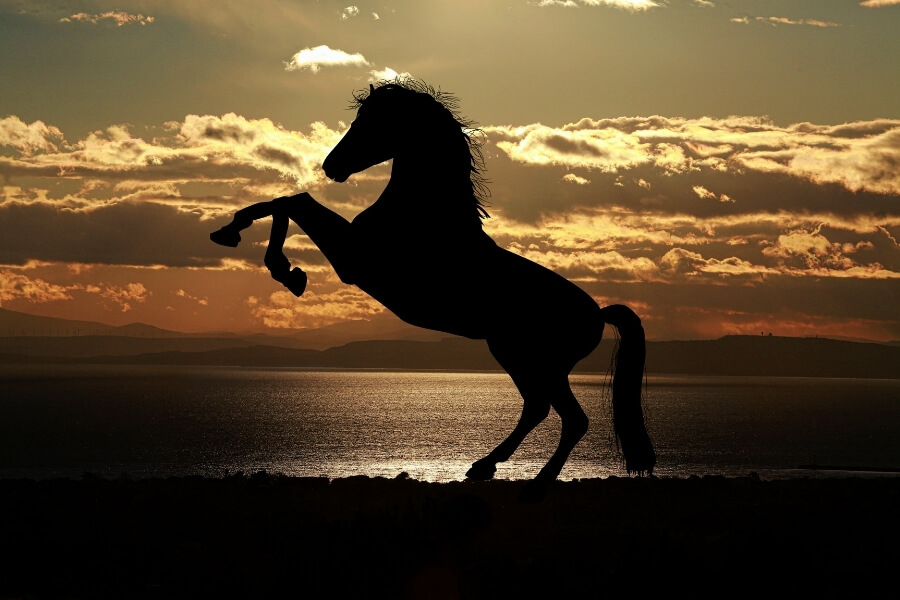
Horse symbolism remains especially visible in regions connected with frontier history, nomadic culture, and Silk Road trade routes.
Xi'an
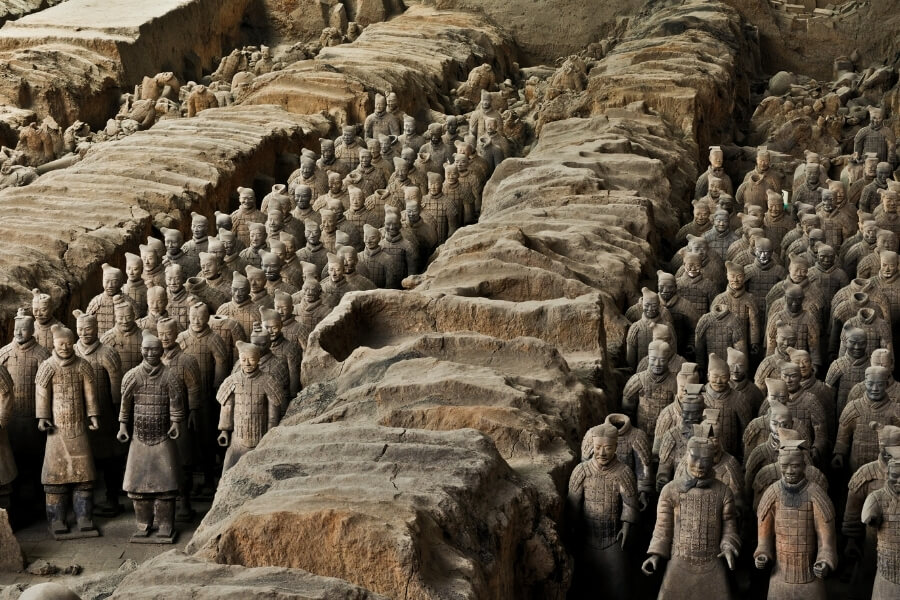
Xi'an was the eastern starting point of the ancient Silk Road and remains one of the best places to understand horse symbolism in Chinese history.
Travelers can see horse imagery through:
Tang Dynasty tomb murals
Ancient cavalry sculptures
Historical museums
Terracotta Army cavalry figures
Xi'an is generally easy to access with high-speed rail and international flights, making it one of the most practical starting points for travelers interested in Silk Road history.
Xinjiang
Xinjiang historically served as a major corridor for horse trading and long-distance travel across Central Asia.
Today, travelers can still experience:
Kazakh horse culture
Grassland riding traditions
Nomadic heritage festivals
Open steppe scenery
September and early October are usually better choices for Xinjiang travel because temperatures become cooler and summer tourism pressure decreases.
Because distances between destinations are large, private transportation often makes multi-city routes more efficient and reduces transfer fatigue. Many travelers combine Xinjiang with Gansu or Xi'an routes to create a broader Silk Road itinerary with smoother pacing.
Inner Mongolia
Inner Mongolia remains one of China's strongest horse-culture regions.
This destination is better suited for travelers who prefer:
Grassland scenery
Outdoor cultural activities
Horse performances
Nomadic traditions
Summer offers the most stable weather conditions, though domestic tourism crowds increase during July and August.
Gansu
Gansu is closely connected with Silk Road transportation history and frontier military culture.
The famous “Flying Horse of Gansu” bronze sculpture became one of China's best-known cultural symbols.
Travelers interested in historical routes often combine Gansu with Xi'an because transportation connections are relatively efficient and the historical themes are closely linked.
How the Horse Appears During Chinese New Year Celebrations
During Chinese New Year, zodiac animals become highly visible throughout China.
In Horse years, travelers commonly see:
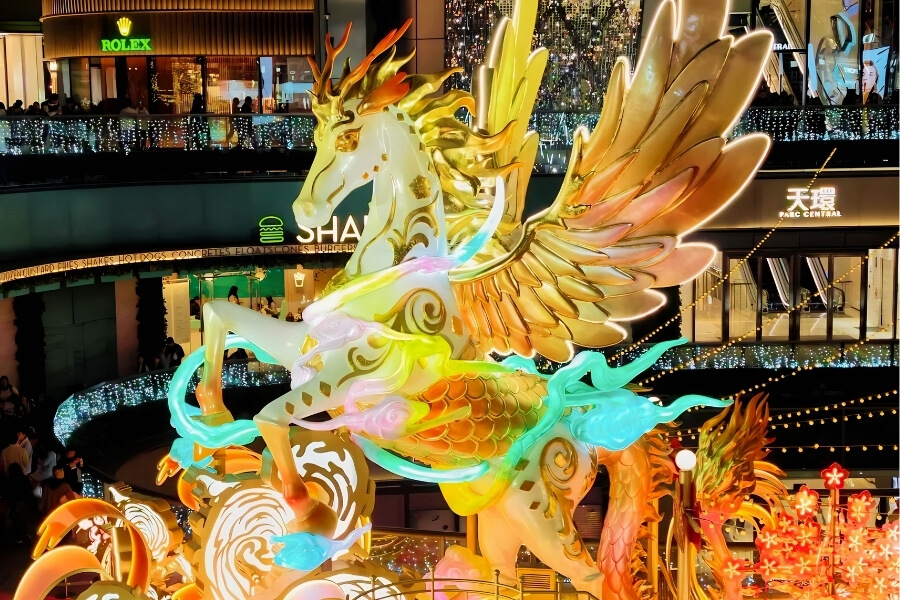
Zodiac lantern displays
Horse paper-cut decorations
Traditional New Year paintings
Festival souvenirs
Temple fair performances
These decorations appear in major cities as well as smaller regional towns, especially during the weeks surrounding Spring Festival.
Travelers visiting China during this period should also prepare for increased domestic transportation demand. Train tickets, regional flights, and hotel availability can become limited near the official holiday period, particularly on major cultural routes.
FAQ
Q1: Is 2026 the Year of the Horse?
Yes. According to the Chinese lunar calendar, the Year of the Fire Horse begins on Feb. 17, 2026, and ends on Feb. 5, 2027. Zodiac years follow the lunar calendar rather than Jan. 1, which is why the dates change each year.
Q2: What does the Horse symbolize in Chinese culture?
The Horse traditionally represents movement, independence, ambition, and long-distance travel. In Chinese history, horses were closely connected with Silk Road trade, frontier communication, and military transportation, especially across Northern and Western China.
Q3: Is 2026 considered a good year for people born in the Year of the Horse?
Traditional Chinese zodiac interpretations describe 2026 as a year of mixed momentum for Horse people. The first half may feel more demanding, while autumn is often associated with steadier conditions, clearer direction, and improved balance.
Q4: Which places in China are most connected with Horse culture?
Xi'an, Xinjiang, Gansu, and Inner Mongolia all preserve strong horse-related traditions. These regions are closely connected with Silk Road history, nomadic culture, cavalry heritage, and long-distance trade routes across Western China.
Q5: When is the best time to visit Horse culture destinations in China?
September and early October are usually the most comfortable periods for Silk Road and grassland travel. Temperatures become milder, visibility improves, and domestic summer tourism crowds begin to decrease across many western regions.