The Rat is the first animal in the Chinese zodiac cycle and represents intelligence, adaptability, and resourcefulness in traditional Chinese culture. Rat years return every 12 years, with recent years including 2020, 2008, 1996, and 1984.
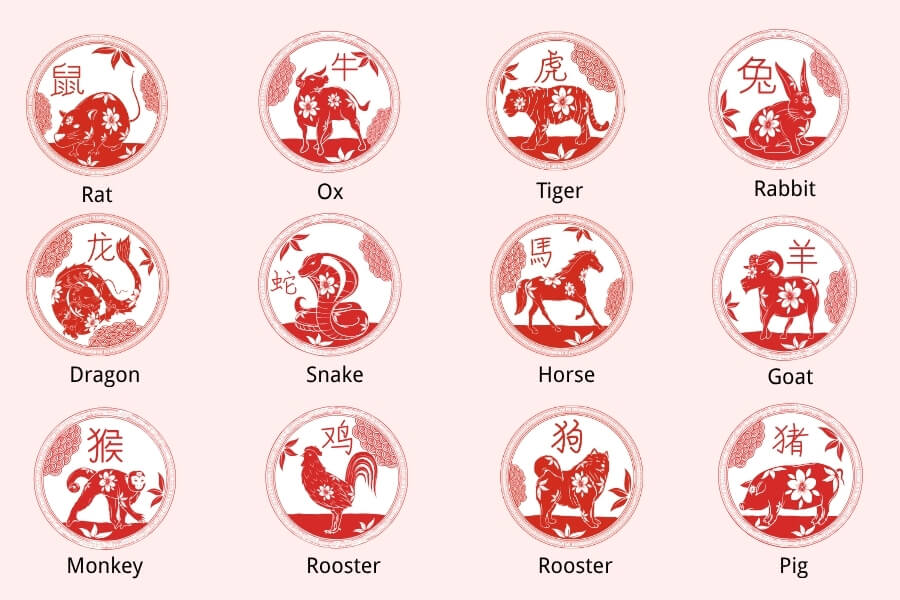
In China, the Rat is associated with quick thinking, financial awareness, and survival instincts. Traditional folklore often portrays the Rat as a clever problem-solver capable of overcoming larger obstacles through strategy rather than strength.
For travelers visiting China during Lunar New Year, zodiac culture becomes highly visible through lantern displays, temple fairs, folk decorations, seasonal markets, and holiday performances. Understanding the meaning of the Rat helps visitors better understand how Chinese zodiac traditions continue to shape modern celebrations across the country.
Why the Rat Matters in Chinese Culture
In the Chinese zodiac system, the Rat corresponds to the earthly branch “Zi” and symbolizes the beginning of a new cycle. Because the Rat ranks first among the 12 zodiac animals, it is commonly associated with initiative, flexibility, and survival ability.
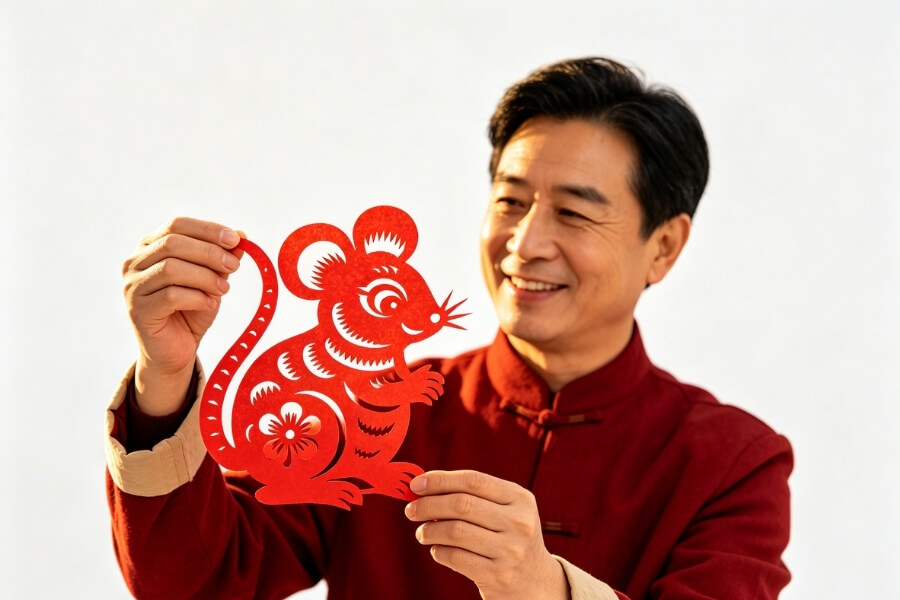
Traditional Chinese folklore presents the Rat in several ways:
A symbol of intelligence and quick judgment
A sign of thriftiness and financial awareness
A creature associated with prosperity and adaptability
A survivor capable of navigating uncertain environments
One popular legend says the Rat became the first zodiac animal after riding on the Ox's back during a race organized by the Jade Emperor. Just before reaching the finish line, the Rat jumped ahead and claimed first place.
Another folk belief links the Rat to the first hours of the day — between 11 p.m. and 1 a.m. — representing transition and renewal.
Travelers visiting China around Lunar New Year will often see zodiac animals integrated into daily life. Rat-themed lanterns, paper-cut decorations, red envelopes, and zodiac souvenirs commonly appear in markets, shopping streets, and public festival areas.
In major cities, these decorations usually become visible one to two weeks before Lunar New Year. Evening visits provide the strongest festival atmosphere, although transportation and crowd density may increase significantly during holiday peaks.
Which Years Are the Year of the Rat?
People born in the following years are usually considered born in the Year of the Rat:
| Rat Year | Lunar New Year Start | Lunar New Year End | Element |
|---|---|---|---|
| 1924 | Feb. 5, 1924 | Jan. 23, 1925 | Wood |
| 1936 | Jan. 24, 1936 | Feb. 10, 1937 | Fire |
| 1948 | Feb. 10, 1948 | Jan. 28, 1949 | Earth |
| 1960 | Jan. 28, 1960 | Feb. 14, 1961 | Metal |
| 1972 | Feb. 15, 1972 | Feb. 2, 1973 | Water |
| 1984 | Feb. 2, 1984 | Feb. 19, 1985 | Wood |
| 1996 | Feb. 19, 1996 | Feb. 6, 1997 | Fire |
| 2008 | Feb. 7, 2008 | Jan. 25, 2009 | Earth |
| 2020 | Jan. 25, 2020 | Feb. 11, 2021 | Metal |
| 2032 | Feb. 11, 2032 | Jan. 30, 2033 | Water |
Chinese zodiac years follow the lunar calendar rather than January 1 on the Gregorian calendar. This means travelers researching their zodiac sign should always check the exact Lunar New Year date for their birth year.
For example:
Someone born on January 20, 2020 still belongs to the Year of the Pig
Someone born on January 30, 2020 belongs to the Year of the Rat
This distinction often causes confusion for international visitors unfamiliar with the Chinese lunar calendar system.
What Are People Born in the Year of the Rat Like?
People born in the Year of the Rat are commonly described as observant, practical, and socially adaptable. In Chinese zodiac traditions, the Rat is often viewed as one of the most intelligent zodiac signs.
Common strengths
Rats are often associated with:
Quick thinking
Strong observation skills
Financial awareness
Adaptability in unfamiliar situations
Effective communication abilities
These traits are traditionally linked with environments that require flexibility and fast decision-making.
Common weaknesses
Traditional interpretations also associate Rats with several challenges:
Overthinking
Suspicion toward others
Difficulty taking risks
Short-term decision-making
Stress caused by insecurity
Many Chinese horoscope traditions describe Rats as cautious planners who prefer predictability over uncertainty.
Male and female Rat personalities
Male Rats are often described as curious, energetic, and family-oriented. They may enjoy learning new skills and exploring unfamiliar ideas, although they sometimes hesitate before taking action.
Female Rats are commonly associated with emotional awareness, adaptability, and strong organizational ability. Traditional interpretations also describe them as attentive caregivers who value family stability.
For travelers exploring zodiac culture in China, personality descriptions like these frequently appear in temple fairs, zodiac guidebooks, souvenir packaging, and seasonal exhibition displays during Lunar New Year.
The Five Types of Rat in Chinese Zodiac Tradition
In Chinese astrology, each Rat year is connected with one of the Five Elements — Wood, Fire, Earth, Metal, or Water. This creates five traditional variations of the Rat personality.
| Type | Birth Years | Traditional Traits |
|---|---|---|
| Wood Rat | 1984, 2044 | Cooperative, independent, creative |
| Fire Rat | 1996, 2056 | Energetic, ambitious, impatient |
| Earth Rat | 1948, 2008 | Responsible, cautious, reliable |
| Metal Rat | 1960, 2020 | Strategic, disciplined, financially aware |
| Water Rat | 1972, 2032 | Intuitive, adaptable, emotionally sensitive |
Travelers may notice the Five Elements concept appearing in Chinese calligraphy, feng shui decorations, traditional calendars, and zodiac merchandise sold during holiday seasons.
In some tourist markets and temple fairs, zodiac products are grouped by elemental themes and colors. Local explanations are usually written only in Chinese, so international travelers may benefit from a guide or translated interpretation when visiting traditional festival areas.
What 2026 May Look Like for Rats
According to many traditional Chinese horoscope interpretations, 2026 may feel like a mixed year for people born in the Year of the Rat.
Some zodiac guides describe 2026 as a challenging period with increased stress and interpersonal tension, while others suggest it may bring career growth through patience and careful planning.
Career
Professional opportunities may appear gradually rather than suddenly. Traditional horoscope interpretations often advise Rats to avoid impulsive job changes and focus on maintaining stable relationships with coworkers and clients.
Wealth
Financially, 2026 is generally viewed as a year that favors cautious budgeting over aggressive investment strategies. Stable income and disciplined spending are commonly emphasized in zodiac forecasts.
Relationships
Relationship prospects may improve through better communication and emotional patience. Singles could meet new people through work or social circles, while long-term relationships may benefit from more consistent communication.
Health
Many horoscope traditions recommend paying closer attention to stress management in 2026. Sleep quality, digestive health, and emotional balance are recurring themes in Rat horoscope forecasts.
Travelers planning to visit China during major zodiac festival periods should also prepare for practical challenges unrelated to astrology itself. Lunar New Year is the busiest travel season in China, with transportation pressure, hotel demand, and large-scale migration affecting many destinations.
First-time visitors may prefer:
Traveling before the main holiday week
Avoiding peak railway departure dates
Booking hotels and flights well in advance
Using private transfers in areas with limited English support
Traditional Lucky Symbols for the Rat
In traditional Chinese folk culture, certain colors and symbols are believed to carry favorable associations for people born in the Year of the Rat.
Common lucky associations
| Category | Traditionally Favorable |
|---|---|
| Colors | Blue, gold, green |
| Numbers | 2, 3 |
| Flowers | Lily, African violet |
| Directions | Northwest, west, northeast |
Zodiac colors and symbols often appear in Chinese New Year decorations, lantern displays, gift packaging, temple fairs, and local markets during Rat years.
Travelers visiting China during Spring Festival may notice that different cities present zodiac themes differently:
| Destination | Typical Zodiac Experience | Best Visiting Time |
|---|---|---|
| Beijing | Temple fairs and folk performances | Morning |
| Shanghai | Large lantern installations | Early evening on weekdays |
| Xi'an | Traditional lantern displays near the City Wall | Sunset before peak crowds |
| Chengdu | Local markets and paper-cut art | Late morning |
| Xinjiang | Seasonal bazaar decorations | Afternoon |
Large evening events can become crowded quickly, especially during the Lantern Festival period. Public transportation around major festival zones may also experience delays after 7 p.m.
Which Zodiac Signs Match Best With the Rat?
Chinese zodiac compatibility traditions often describe Rats as emotionally attentive partners who value stability and trust.
Best matches
Rat and Ox
The Ox provides consistency and patience, while the Rat contributes flexibility and emotional attentiveness. This pairing is traditionally considered one of the strongest zodiac matches.
Rat and Dragon
The Dragon's confidence complements the Rat's strategic thinking. Traditional compatibility guides often describe this relationship as highly supportive.
Rat and Monkey
Both signs are associated with intelligence and adaptability. They usually communicate easily and enjoy similar lifestyles.
Challenging matches
Rat and Horse
The Rat prefers long-term planning and emotional security, while the Horse values freedom and spontaneity. Their priorities may conflict over time.
Rat and Goat
Traditional compatibility interpretations describe this pairing as emotionally sensitive but unstable, often due to insecurity and misunderstandings.
Rat and Rooster
Differences in communication style and personality may create friction in daily life.
In China, zodiac compatibility themes commonly appear during Lunar New Year conversations, matchmaking traditions, wedding planning customs, and family gatherings. Travelers visiting during the holiday season may hear zodiac discussions frequently among local families.
Careers Traditionally Linked With the Rat
People born in the Year of the Rat are often associated with careers that reward adaptability, communication, and strategic thinking.
Commonly recommended career paths
Finance
Sales
Public relations
Media
Writing
Research
Entrepreneurship
Design
Consulting
Rats are generally believed to perform best in flexible environments where quick thinking and relationship-building matter.
Traditional zodiac interpretations often suggest that highly rigid or hierarchical professions may feel restrictive for Rats over the long term.
Travelers interested in Chinese workplace culture may also notice that zodiac discussions occasionally appear in casual business conversations, especially during Lunar New Year banquets and seasonal networking events.
Where to See Chinese Zodiac Culture During a China Trip
Chinese zodiac culture becomes especially visible during Lunar New Year and Lantern Festival celebrations across China. However, the experience varies significantly by city, crowd level, and timing.
Beijing Temple Fairs
Temple fairs in Beijing are one of the most traditional ways to experience zodiac culture. Visitors can expect folk performances, zodiac lanterns, paper-cut art, and local snacks.
Morning visits are usually easier for photography and walking. Crowds become significantly heavier during afternoons and evenings, especially near historic sites such as Ditan Park and Longtan Park.
Public transportation remains accessible, although nearby subway stations may become congested during peak holiday dates.
Shanghai Lantern Festival
Shanghai focuses more on large-scale light displays and modern festival presentations. Zodiac lantern installations are commonly displayed in commercial districts and waterfront areas.
Weekday evenings before the Lantern Festival are generally more manageable than festival night itself. Travelers should expect heavier pedestrian traffic after sunset, especially around Yu Garden.
Hotels in central Shanghai often book out early during major holiday periods.

Xi'an Lantern Shows
Xi'an combines zodiac culture with traditional architecture, particularly around the City Wall and Tang-style cultural districts.
Sunset is often the best time to visit because visitors can see both daylight architecture and evening lantern illumination in the same trip. Temperatures can drop quickly after dark during winter, so layered clothing is recommended.
Chengdu Folk Markets
Chengdu offers a slower-paced festival atmosphere focused on local crafts, zodiac souvenirs, and regional snacks.
Compared with Beijing and Shanghai, crowd pressure is usually lower outside major holiday evenings. This makes Chengdu a better choice for travelers seeking a more relaxed cultural experience.
Xinjiang Seasonal Bazaars
Lunar New Year celebrations are less concentrated in Xinjiang than in eastern China, but some urban markets still include seasonal decorations and zodiac imagery.
Travelers visiting Xinjiang during winter should prepare for longer travel distances, colder temperatures, and more limited transportation schedules between regions. Private transportation often makes multi-city winter travel more efficient.

FAQ
Q1: What years are the Year of the Rat?
Recent Rat years include 2020, 2008, 1996, 1984, and 1972. The next Year of the Rat will begin in 2032. Because the Chinese zodiac follows the lunar calendar, travelers born in January or February should check the exact Lunar New Year date for their birth year.
Q2: What personality traits are associated with the Rat?
In traditional Chinese zodiac culture, Rats are commonly linked with intelligence, adaptability, financial awareness, and strong communication skills. They are also described as cautious planners who prefer stability and may sometimes overthink important decisions.
Q3: Why is the Rat first in the Chinese zodiac?
According to Chinese legend, the Rat won a race organized by the Jade Emperor by riding across the river on the Ox's back before jumping ahead at the finish line. The story symbolizes intelligence, strategy, and quick decision-making.
Q4: Is 2026 considered a lucky year for Rats?
Traditional horoscope interpretations describe 2026 as a mixed year for Rats. Many guides recommend focusing on careful planning, emotional balance, and stable financial decisions rather than taking unnecessary risks during major life changes.
Q5: Where can travelers experience Chinese zodiac culture in China?
Travelers can experience zodiac traditions during Lunar New Year in cities such as Beijing, Shanghai, Xi'an, Chengdu, and parts of Xinjiang. Temple fairs, lantern festivals, and seasonal markets are usually easiest to visit during weekday mornings or early evenings before peak crowds arrive.
Lunar New Year travel in China can become challenging for first-time visitors due to transportation pressure, hotel demand, holiday closures, and language barriers in crowded festival areas. Travelers interested in zodiac celebrations, regional traditions, and seasonal cultural experiences often benefit from flexible itineraries and local logistical support.
Hiorient Travel specializes in customized Silk Road and Xinjiang tours designed around seasonal conditions, transportation efficiency, and deeper cultural experiences beyond standard sightseeing routes.