What to Expect in a Urumqi City Guided Tour
A Urumqi City Guided Tour works best as a structured introduction to Xinjiang rather than a traditional sightseeing-only experience.
Most routes combine museums, bazaars, food streets, mountain viewpoints, and urban districts within the same day. The experience is less about famous landmarks alone and more about understanding how Xinjiang’s cultural, ethnic, and geographic layers connect inside one large regional capital.
This type of tour is especially suitable for first-time visitors to Xinjiang, travelers with limited time, and visitors who prefer organized transportation over independent navigation.
Many travelers are surprised by how large and spread out Urumqi feels. Even routes inside the city can involve long transfer periods between museums, bazaars, parks, and mountain areas near the urban edge.
The experience also functions as a transition point before longer Xinjiang journeys. Many visitors use Urumqi guided tours during their first one or two days in the region to adapt to transportation systems, security procedures, dry climate conditions, and local travel pacing.
Best Time to Take a Urumqi City Tour
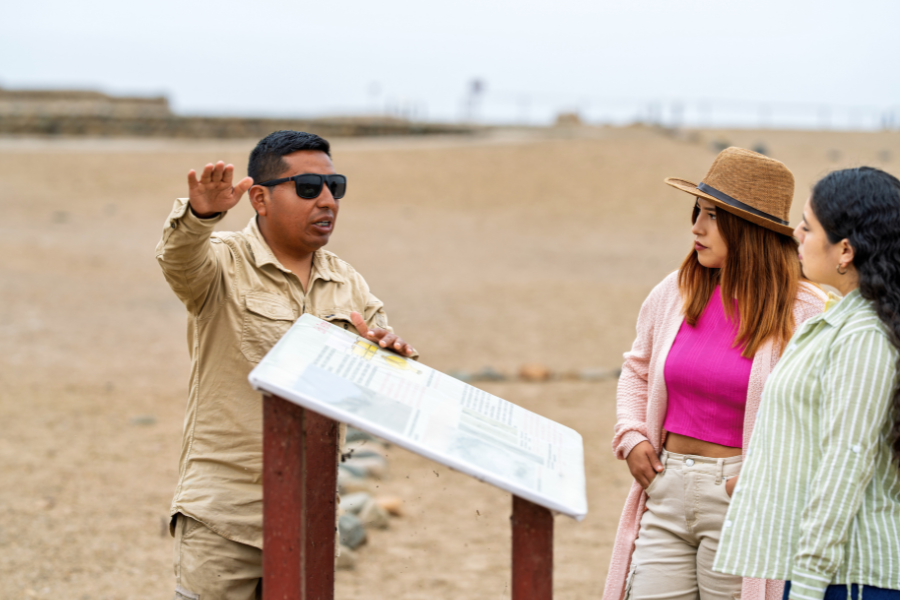
The most balanced period for a Urumqi guided tour is usually from May to October.
Spring and autumn generally provide the most comfortable walking conditions for museum visits, bazaars, and city exploration. Summer offers longer daylight hours and greener mountain scenery outside the city, but traffic and crowd levels increase significantly during holiday periods.
Winter tours remain possible, especially for museums and food-focused routes, though outdoor sightseeing becomes more limited due to cold wind and temperature differences between urban and mountain areas.
Early departures usually improve the overall experience. Morning schedules often mean lighter traffic, shorter security lines, and clearer visibility around mountain viewpoints near the city.
Recommended Itineraries in Urumqi
Classic Route (1 Day)
The standard one-day route usually follows a city-centered loop covering the Xinjiang Regional Museum, Erdaoqiao Grand Bazaar, local food districts, and Hongshan Park.
This route works well for first-time visitors who want a broad introduction to Xinjiang’s history, ethnic culture, and urban atmosphere without leaving the city too far behind.
The pacing is typically moderate, though transfer times between stops are often longer than travelers initially expect.
Extended Route (2–3 Days)
Longer itineraries usually combine urban sightseeing with nearby mountain or landscape areas such as Nanshan Pasture, Tianshan Grand Canyon, or sections of the S101 scenic highway.
These routes are better suited for travelers interested in photography, road-trip scenery, or a deeper introduction to Xinjiang’s geographic diversity beyond the city center.
Compared with city-only tours, extended routes involve substantially more driving time and larger temperature differences between destinations.
Custom Route Option
Private tours in Urumqi are commonly adjusted based on travel style, arrival schedules, and regional plans across Xinjiang.
Some travelers combine museum and bazaar visits with short mountain excursions, while others use Urumqi mainly as a starting point before continuing toward Turpan, Yili, Kashgar, or Northern Xinjiang routes.
Customized planning becomes particularly useful when balancing long transfer distances, security procedures, weather conditions, and multi-stop scheduling within limited travel days.
How to Get to and Around Urumqi
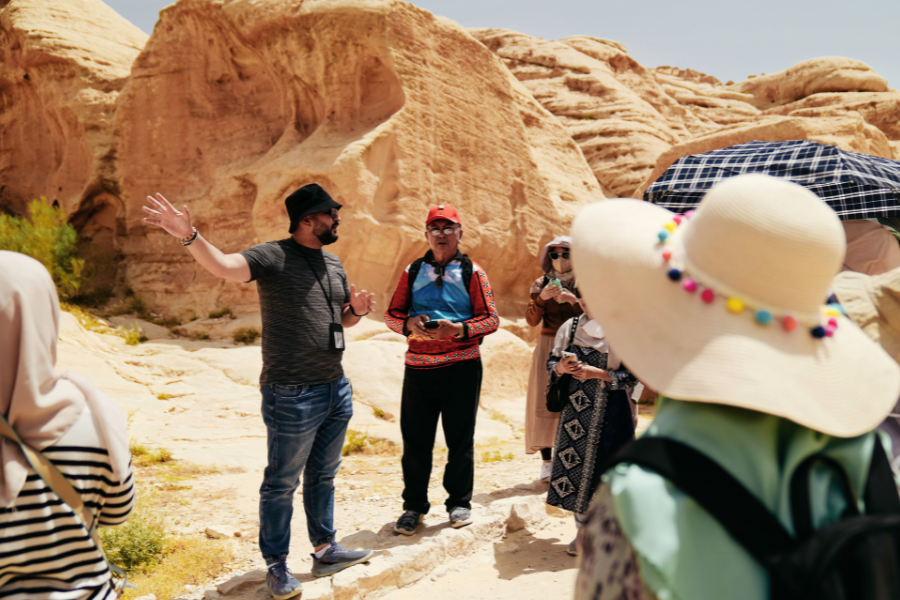
Most travelers arrive through Ürümqi Diwopu International Airport or Urumqi Railway Station, both of which connect the city with major domestic routes across China.
Transportation inside Urumqi is more time-consuming than many visitors expect. The city is geographically large, and attractions are spread across different districts rather than concentrated in one walkable center.
Public transportation works reasonably well for basic urban movement, though independent navigation can become difficult for international travelers due to language limitations, security checks, and inconsistent English signage.
Private vehicle tours generally reduce logistical stress significantly, especially for:
Multi-stop itineraries
Mountain day trips
Scenic highway routes
Tight schedules with limited time
Travelers often underestimate how much time is spent entering attractions, passing security screening areas, and transferring between districts.
Where to Stay in Urumqi
The best accommodation area depends largely on the structure of the route.
For city-focused cultural tours, staying near downtown Urumqi or the Grand Bazaar area usually provides easier access to museums, restaurants, and evening walking areas.
For travelers planning mountain day trips or early departures toward regional highways, hotels closer to major road corridors or airport-access routes may reduce transfer time.
Many visitors choose to stay in Urumqi for one or two nights before continuing deeper into Xinjiang. This pacing usually feels more manageable than attempting immediate long-distance overland travel after arrival.
Practical Travel Tips
Prepare for dry weather conditions even during cooler seasons. Many travelers underestimate dehydration and sun exposure in Urumqi’s climate.
Layered clothing is useful because mountain areas outside the city can feel substantially colder than central Urumqi, particularly during spring and autumn.
Comfortable walking shoes are important. Bazaar districts, museums, and scenic areas often involve more walking than expected.
Passport access is important throughout the trip because registration checks and attraction entry procedures remain common across Xinjiang.
Offline translation tools, water, sunscreen, and portable charging devices usually improve flexibility during longer sightseeing days.
Is a Guided or Private Tour Worth It
For many first-time visitors, guided tours in Urumqi help simplify a travel environment that can initially feel more complex than expected.
The main challenge is not individual attractions themselves. It is the combination of long urban distances, transportation coordination, security procedures, museum registration systems, and regional language barriers.
Independent travel remains possible, especially for experienced travelers comfortable with large Chinese cities. However, many visitors find that guided transportation and local coordination reduce wasted time significantly during short stays.
Private tours are often the better choice for travelers combining city attractions with mountain areas or scenic highways outside central Urumqi. This approach usually creates a more balanced pace and reduces uncertainty during multi-stop itineraries.
A well-structured Urumqi guided tour works best as an orientation experience before larger Xinjiang routes. It helps travelers understand the region’s scale, travel rhythm, cultural diversity, and logistical realities before moving deeper into longer overland journeys across Xinjiang.