In Xinjiang, Lamb Clay Pot is less about strong seasoning and more about heat, texture, and slow cooking. The dish is common across cities like Urumqi, Kashgar, Yining, and Changji, especially during colder months when locals gather around large clay pots filled with simmering lamb broth.
For travelers planning food experiences in Xinjiang, this is one of the easiest traditional lamb dishes to approach. The flavor is usually milder than many visitors expect, and the meal itself reflects the slower dining rhythm common across the region.
What Makes Xinjiang Lamb Clay Pot Different
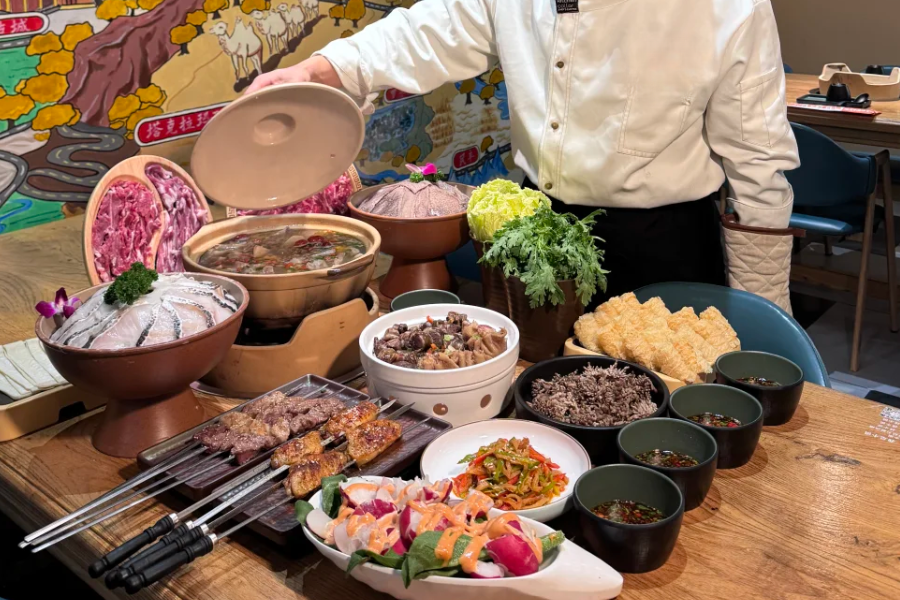
Many travelers compare Lamb Clay Pot to spicy lamb stews found elsewhere in China, but the cooking style is noticeably different.
Traditional Xinjiang versions focus on preserving the flavor of the meat itself. Restaurants often use bone-in cuts such as lamb ribs or lamb leg, which creates a richer broth after extended cooking. Instead of relying on heavy spice, most places build flavor through onion aroma, lamb fat, and slow simmering.
In Northern Xinjiang cities like Yining or Changji, the broth often feels heavier and more aromatic. Southern Xinjiang versions, especially around Kashgar or Hotan, can taste cleaner and lighter with less visible oil.
Why Many Visitors Find Xinjiang Lamb Easier to Eat
One of the most common reactions from first-time travelers is that the lamb tastes cleaner than expected.
This usually comes from the grazing environment, lighter seasoning, and the preference for simmering rather than aggressive frying. Restaurants in Xinjiang rarely try to hide the flavor of lamb. Instead, they reduce heaviness through broth balance and cooking time.
Even travelers who normally avoid mutton often find clay pot lamb more approachable than cumin-heavy barbecue dishes.
The broth also changes the overall experience. Dipping nang or youtazi into the soup softens the bread and balances the richness of the lamb fat in a way many visitors don't expect before arriving in Xinjiang.
When It Fits Best Into a Xinjiang Trip
Lamb Clay Pot works best as a dinner meal, especially after long driving days or colder outdoor activities.
In Xinjiang, temperature differences between day and night can be significant, even outside winter. Hot broth-based meals become much more appealing after sunset, particularly in northern routes, grassland areas, and mountain regions.
Restaurants serving stew-style lamb dishes usually become busiest between 7 p.m. and 9 p.m. during colder seasons. In cities like Urumqi and Yining, arriving slightly earlier often provides a quieter and more comfortable dining experience.
The Dining Style Feels Different From Eastern China
Many local lamb restaurants in Xinjiang prioritize practicality over presentation.
Tables are often large, portions are designed for sharing, and some restaurants continue heating the clay pot directly at the table throughout the meal. Travelers expecting refined plating may find the experience simple, but travelers interested in local dining culture often remember the atmosphere more than the appearance of the dish itself.
The meal is usually built around a slower rhythm. Hot broth, bread, tea, and conversation all become part of the experience rather than separate items ordered individually.
Portion Size Is the Most Common Travel Mistake
Visitors regularly underestimate how large Xinjiang lamb portions can be.
A standard clay pot is often designed for multiple people, especially in restaurants popular with locals. Ordering extra grilled meat, naan, and side dishes too early is one of the most common mistakes during the first days of a Xinjiang trip.
We recommend starting conservatively, especially for two-person meals. In most cases, one clay pot plus a small side dish is already enough for many travelers.
What Travelers Usually Pair With Lamb Clay Pot
Bread plays an important role in balancing the richness of the meal.
Nang is the most common pairing because it absorbs broth well while keeping some texture. Youtazi creates a softer and more layered texture once dipped into the soup. Some restaurants also serve baked samsa or lagman alongside stew dishes, particularly in larger family-style restaurants.
Not every combination feels equally balanced. Heavier baked items can become dry if eaten alone, especially after sitting under warming lamps for long periods. Most local diners combine them directly with broth-based dishes instead.
Different Cities, Different Lamb Styles
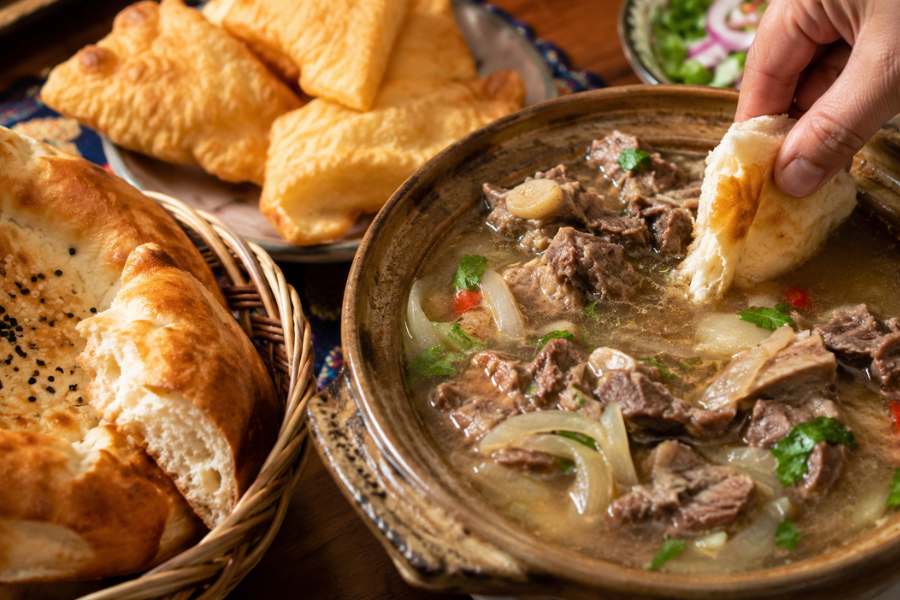
Travelers moving across Xinjiang may notice that lamb dishes change noticeably between regions.
In Yining, stews often feel richer and more fragrant with stronger onion aroma. Urumqi restaurants sometimes combine clay pot dishes with barbecue and hot pot formats to suit larger groups. Southern cities such as Kashgar may serve cleaner broth styles with less visible spice and a stronger focus on the meat itself.
These differences are subtle, but they become easier to notice during longer Xinjiang itineraries.
Is Lamb Clay Pot Worth Trying for First-Time Visitors
For many travelers, this is one of the most accessible introductions to Xinjiang food culture.
Unlike heavily spiced regional dishes, Lamb Clay Pot focuses more on warmth, texture, and slow cooking. The experience also fits naturally into Xinjiang travel rhythms — long road trips, cold evenings, shared meals, and slower dining environments.
This dish usually works well for travelers who:
prefer less spicy food
want a warming dinner after long travel days
are curious about traditional Uyghur and halal cooking styles
want a more local-style dining experience beyond tourist snack streets
Travelers with limited time in Xinjiang often prioritize barbecue first. However, slower meals like Lamb Clay Pot usually provide a clearer understanding of how local dining culture actually works beyond night markets and street food areas.
FAQ
Q1. Is Xinjiang Lamb Clay Pot spicy?
Usually not. Most traditional versions rely more on lamb flavor, onions, and slow-cooked broth rather than heavy chili seasoning. Some restaurants offer spicy variations, but the standard style is relatively mild compared with Sichuan hot dishes.
Q2. Does Xinjiang lamb have a strong smell?
Many travelers find the flavor milder than expected. Grazing conditions, meat handling, and broth-based cooking methods often reduce the heavier taste that some visitors associate with lamb dishes elsewhere.
Q3. What is the best season to try Lamb Clay Pot in Xinjiang?
Autumn and winter are generally the best periods. Cold temperatures make hot broth meals more appealing, and many local restaurants become especially active during evening dining hours in colder weather.
Q4. What should travelers order together with Lamb Clay Pot?
Nang, youtazi, or baked samsa are the most common pairings. Bread helps balance the richness of the broth and creates a more complete meal without requiring too many additional dishes.
Q5. Is Lamb Clay Pot suitable for solo travelers?
Yes, but portion size matters. Smaller local restaurants usually work better for solo travelers or couples because large clay pots in popular restaurants are often designed for group dining.