What to Expect From Dining in Urumqi
Dining in Urumqi feels closer to a social evening activity than a conventional restaurant experience. Meals are usually built around grilled meat, hand-made noodles, shared dishes, and long evening dining hours rather than quick individual meals.
The city’s restaurant culture is heavily shaped by Uyghur halal cuisine, but visitors also encounter Hui Muslim restaurants, local noodle shops, Chinese chain restaurants, and large entertainment-style venues. Compared with eastern Chinese cities, restaurants in Urumqi generally feel louder, slower-paced, and more group-oriented.
This experience works best for travelers who enjoy local food culture, shared meals, and evening street activity. Travelers expecting quiet dining rooms or highly polished international-style service may prefer modern Chinese restaurants or hotel dining on their first days in Xinjiang.
The Food Is Usually Heavier Than Expected
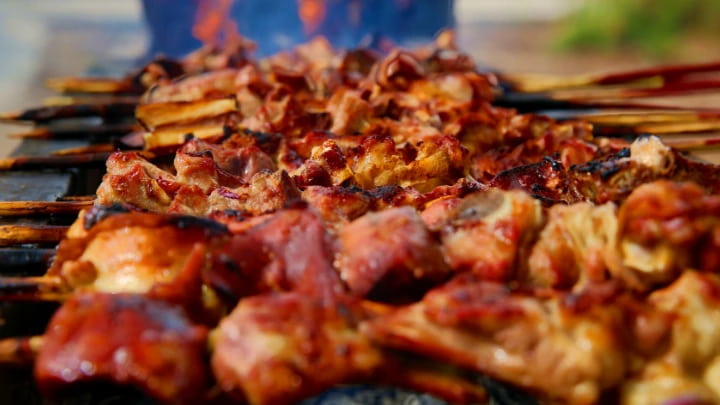
Many first-time visitors underestimate portion sizes in Urumqi.
Signature dishes such as Big Plate Chicken, hand-pulaf rice, kebab platters, and stewed lamb are often designed for multiple people rather than solo dining. Ordering too much is one of the most common mistakes travelers make during their first meals in Xinjiang.
The flavor profile is also different from many other parts of China. Restaurants tend to use more cumin, grilled meat, oil, and wheat-based staples, while vegetables and lighter side dishes usually play a secondary role.
Meals often feel more balanced when travelers combine heavier dishes with yogurt drinks, fruit plates, or smaller cold dishes rather than ordering several meat-based mains together.
Restaurant Atmosphere Often Matters as Much as the Food
Many restaurants in Urumqi place strong emphasis on atmosphere and social energy.
Travelers commonly encounter large dining halls, open barbecue areas, traditional music, decorative Islamic-style architecture, and performance stages inside popular Xinjiang restaurants. Some venues also include dance performances or costume photography areas aimed at domestic tourists.
Smaller neighborhood restaurants usually feel less theatrical. These places often focus more on food quality, local routine, and lower prices rather than entertainment.
Nighttime changes the overall atmosphere significantly. Temperatures become more comfortable after sunset, outdoor dining areas become busier, and restaurant districts feel more active between roughly 7 p.m. and 9 p.m.
Night Markets Work Better as an Experience Than a Full Dinner Plan
Evening food streets are one of the easiest ways to experience Xinjiang street culture in a short amount of time.
Areas near the Xinjiang International Grand Bazaar usually combine kebab stalls, naan bread ovens, yogurt shops, noodles, grilled seafood, fruit vendors, and local snacks within walking distance. This setup works well for travelers who want variety without spending the entire evening inside one large restaurant.
However, night markets are often better treated as a food experience rather than the only dinner plan of the evening. Seating can become crowded, smoke exposure increases during peak barbecue hours, and snack-style dishes may not feel balanced enough as a full meal.
Travelers looking for a more relaxed meal usually prefer combining a local restaurant dinner with a shorter night market walk afterward.
Different Restaurant Areas Create Very Different Experiences
Restaurant choice matters more than many visitors initially expect.
Tourist-oriented dining streets usually provide easier menu navigation, larger seating areas, and broader food variety. They also tend to have more predictable service for international travelers.
Smaller local restaurant districts often feel calmer and more practical for repeat meals. Prices are usually lower, waiting times shorter, and food quality sometimes more consistent because restaurants focus less on entertainment-driven traffic.
Restaurants near the airport can also work surprisingly well on arrival day. After long flights, reducing extra transfers across the city often improves the first evening experience more than searching for the “most famous” restaurant online.
Ordering Can Be Slightly Difficult for Independent Travelers
Dining independently in Urumqi is manageable, but language and ordering systems can create small obstacles.
Some local restaurants only provide Chinese-language menus, while English communication outside major tourist areas remains inconsistent. Mobile payment is also widely preferred, especially in smaller restaurants and food streets.
Most travelers adapt quickly by using translation apps, photo menus, or simple pointing methods. Larger tourism-oriented restaurants are generally easier for first-time visitors because staff are more familiar with outside travelers and shared dining requests.
Allowing extra time for dinner is also important. Meals often move more slowly because many dishes are cooked after ordering rather than prepared in advance.
Recommended Food Experience Routes in Urumqi
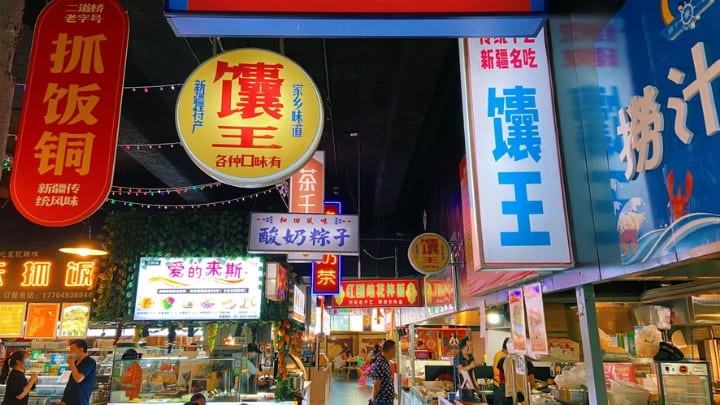
A simple food route usually works better than trying to visit too many famous restaurants in one evening.
For first-time visitors, a practical evening plan is starting with a sit-down Xinjiang restaurant for shared dishes such as kebabs, hand-pulaf rice, or noodles, then continuing toward a nearby night market for snacks, yogurt, fruit, or naan bread. This creates a more balanced pace and reduces the chance of over-ordering early in the evening.
Travelers staying longer in Urumqi may prefer separating experiences across different nights. One evening can focus on large Xinjiang-style restaurants with music and performances, while another can focus on smaller neighborhood noodle restaurants or quieter halal dining streets.
Custom dining plans become more useful during short stays, late arrivals, or early-morning departures. Restaurant districts in Urumqi are spread across different parts of the city, and dinner traffic can increase transfer times significantly during peak hours.
Is a Guided Food Experience Worth It
Independent dining works well for many travelers in Urumqi, especially near major tourist districts. The main challenge is usually not finding food, but choosing where to spend limited evening time.
This becomes more noticeable during short Xinjiang itineraries, holiday periods, or first visits to the region. Travelers often lose time moving between crowded restaurant streets, waiting at heavily promoted venues, or struggling with menus that provide little explanation.
A more organized food plan can reduce unnecessary transfers and help combine local restaurants, night markets, and cultural areas more efficiently. This option usually works better for travelers who want to experience Xinjiang food culture without spending too much time managing logistics themselves.
For most visitors, the memorable part of dining in Urumqi is rarely one specific restaurant. It is usually the overall rhythm of the evening — grilled meat smoke rising from street stalls, shared dishes covering large tables, music moving through open dining halls, and the slower night atmosphere that shapes much of Xinjiang’s urban culture.