Steamed Layered Bread, also called Youtazi, is one of the most common traditional breakfast foods in Xinjiang. It is a steamed multi-layer bread known for its soft texture, pull-apart layers, and light oil fragrance.
Many travelers first notice it beside large soup pots or stacked bamboo steamers in Uyghur breakfast restaurants. It may look simple at first, but freshly made versions usually have more texture and aroma than expected.
For first-time visitors to Xinjiang, this is one of the easiest local foods to try because the flavor is mild, filling, and easy to pair with other dishes.
What Makes Youtazi Different From Other Chinese Breads
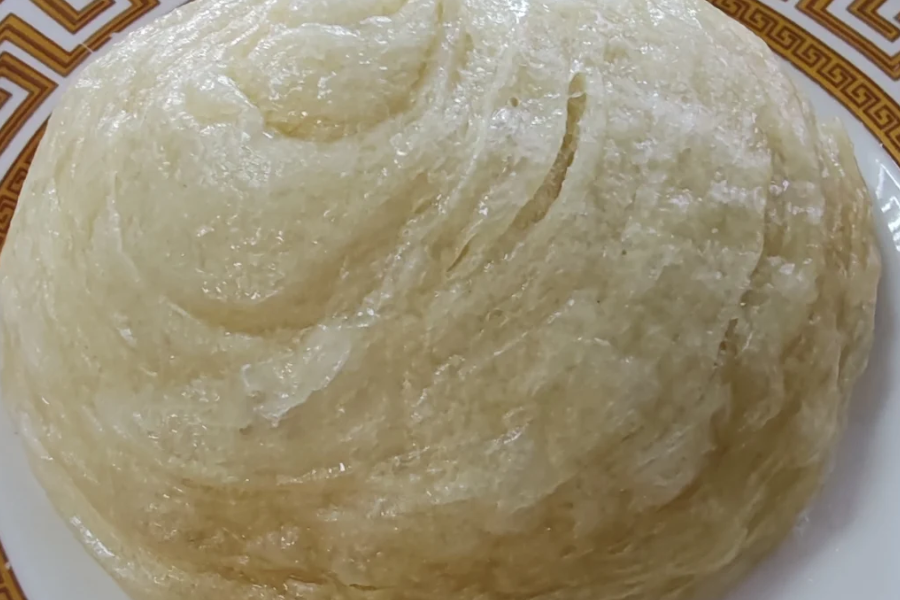
Youtazi is often compared with flower rolls or steamed buns, but the preparation method creates a noticeably different texture.
The dough is stretched into thin sheets, coated with oil, folded repeatedly, then steamed instead of baked. This creates visible layers that separate easily when eaten warm.
Unlike naan, which is baked and firmer, steamed layered bread stays soft and slightly elastic.
Key differences include:
Steamed rather than baked
Thin layered structure instead of dense dough
Stronger wheat and oil aroma
Softer texture with light chewiness
Usually served with soup or broth-based dishes
A good version should feel light and layered rather than oily or compact.
Why Texture Matters More Than Size
Some restaurants sell very large portions, but size alone does not indicate quality.
The best versions usually have:
Thin visible layers
Soft pull-apart texture
Balanced oil fragrance
Slight elasticity without heaviness
Dense or reheated versions can lose softness quickly.
Freshness matters more than portion size.
How Steamed Layered Bread Is Usually Eaten
Youtazi is rarely eaten completely on its own.
In most Xinjiang breakfast restaurants, people tear it by hand and dip it into soup. The bread absorbs broth while keeping its layered texture, which improves both aroma and mouthfeel.
Most Common Pairings
Steamed layered bread is commonly served with:
Meatball Soup
Beef bone soup
Lamb broth
Xinjiang milk tea
Pepper chicken
Wide hand-pulled noodles
Pilaf rice dishes
When paired with heavily seasoned dishes, the bread helps balance salt, spice, and oil.
Why Soup Pairings Work Better
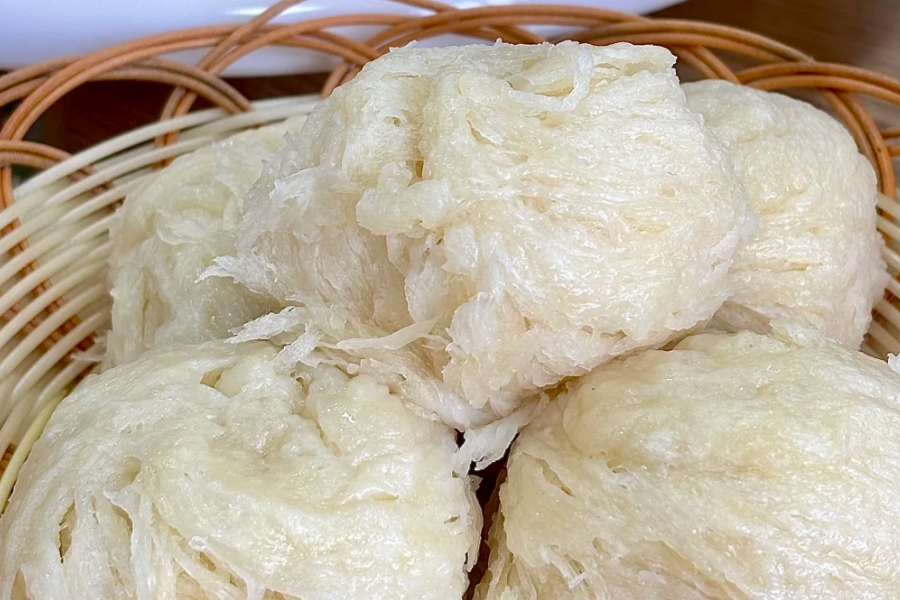
Broth-based dishes soften the outer layers while preserving the inner structure.
This combination works especially well with:
Lightly spiced soups
Bone broth
Savory beef or lamb dishes
We recommend trying it with soup during breakfast rather than ordering it as a standalone snack.
Best Time to Eat Youtazi in Xinjiang
Breakfast is usually the best time.
Fresh batches are commonly prepared early in the morning, when the layers are softer and the oil aroma is more noticeable.
Many local shops begin steaming bread shortly after sunrise.
Morning Breakfast Experience
In cities such as:
Kashgar
Yili
Changji
Turpan
Travelers often see rows of stacked steamers near the entrance of halal breakfast shops.
Morning service is usually:
Fresher
Less oily
Softer in texture
Better paired with soup dishes
Night market versions can still be enjoyable, but reheated bread may feel denser.
What Travelers Should Expect Before Ordering
The flavor profile is relatively mild.
Travelers expecting heavily seasoned street food may initially find it simple, but the appeal usually comes from texture, warmth, and pairing rather than strong spice.
A few practical things are worth knowing:
| Situation | Practical Expectation |
|---|---|
| Large portion sizes | One serving is often enough to share |
| Fresh steamed versions | Softer and more aromatic |
| Cold or reheated bread | Less layered and slightly dense |
| Mild flavor profile | Good for travelers avoiding spicy food |
| Soup pairing | Usually improves the overall experience |
It is also more filling than many travelers expect because of the layered dough and oil content.
Where to Try Steamed Layered Bread in Xinjiang
The most reliable places are:
Traditional Uyghur breakfast restaurants
Halal neighborhood eateries
Morning food streets
Older local restaurants near bazaars
In Kashgar and Urumqi, breakfast shops near traditional markets often provide the most local-style experience.
Smaller shops sometimes produce softer handmade versions than larger commercial restaurants.
This is a better choice if you want:
Freshly steamed bread
Handmade layered texture
Traditional breakfast atmosphere
Soup-focused local meals
Is Youtazi Worth Trying for First-Time Visitors
For most travelers, yes.
It is one of the more accessible Xinjiang foods because the flavor is mild and the texture is easy to enjoy for people unfamiliar with regional cuisine.
This dish is especially suitable for travelers who:
Enjoy wheat-based foods
Prefer savory breakfasts
Want lighter alternatives to grilled meat
Are interested in traditional Uyghur food culture
It may feel less memorable when eaten alone, but pairing it with soup usually creates a much more complete experience.
How Youtazi Fits Into a Xinjiang Food Route
Steamed layered bread is easy to overlook because it is less visually dramatic than skewers, noodles, or large meat platters.
However, it plays an important role in Xinjiang breakfast culture and works best as part of a broader food itinerary that includes soup dishes, local tea, and traditional Uyghur restaurants.
At Hiorient Travel, we usually recommend including at least one local breakfast stop during longer Xinjiang routes. This creates a more balanced food experience and helps travelers understand how everyday meals differ between northern Chinese cities and Xinjiang’s Silk Road regions.