What to Expect in Urumqi Night Photography
Urumqi offers a very different night photography experience from what many travelers expect in Xinjiang. Instead of traditional Silk Road imagery, the city at night is dominated by illuminated bridges, wide boulevards, high-rise skylines, and dense commercial lighting.
What makes Urumqi distinctive is the combination of modern urban lighting with visible mountain horizons. On clear nights, it is possible to frame traffic light trails, skyline reflections, and distant Tianshan Mountain silhouettes in the same composition.
This experience works best for travelers who enjoy long-exposure photography, urban night scenes, rooftop viewpoints, and late-evening city exploration. Travelers looking mainly for traditional cultural photography may prefer Kashgar or older Silk Road districts instead.
Best Time to Visit Urumqi for Night Photography
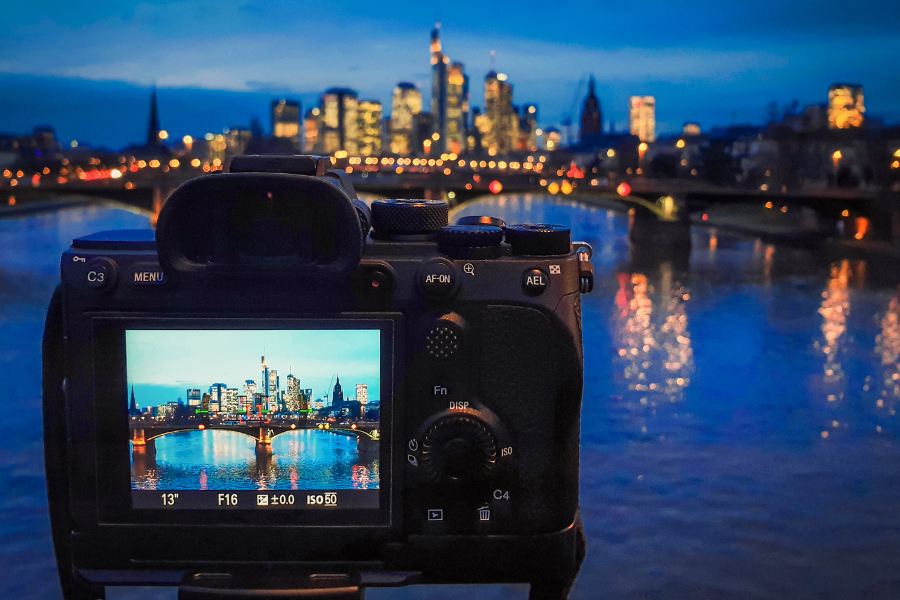
The best period for Urumqi night photography is generally from May to October, when evenings are more active and weather conditions are easier for extended outdoor shooting.
Summer provides the longest shooting window, but sunset in Xinjiang happens much later than many travelers expect. During peak summer months, blue hour may not begin until late evening, and full skyline lighting often becomes stronger between 8 p.m. and 11 p.m.
Winter can produce sharper skyline visibility because of drier air and colder temperatures. However, strong wind exposure and reduced hand mobility can make long shooting sessions more difficult on bridges and rooftop locations.
Weekday evenings are usually better for cleaner compositions and reduced tripod congestion. Weekend nights create stronger traffic trails and street activity, but popular photography areas can become crowded with local photographers, wedding shoots, and drone users.
Recommended Itineraries in Urumqi Night Photography
Classic Route (1 Night)
This route works well for first-time visitors who want a balanced mix of skyline photography, bridge lighting, and street-level atmosphere.
The route usually begins around blue hour near Jin Feng Bridge, where changing bridge lighting and water reflections create strong long-exposure compositions. After full darkness settles, travelers often continue toward central commercial districts for rooftop skyline photography and wide boulevard traffic trails.
The evening can finish around Erdaoqiao Grand Bazaar or nearby food streets, where warmer lighting, pedestrian movement, and cultural architecture create a different visual style from the modern skyline areas.
This route is relatively efficient because most locations remain within the central urban area, reducing late-night transfer time.
Extended Route (2–3 Nights)
An extended photography schedule allows more flexibility for weather, skyline visibility, and different shooting styles.
In addition to central skyline locations, travelers can include elevated viewpoints, rooftop cafés, outer-city roads with lower light pollution, and wider urban panoramas that include mountain silhouettes behind the city.
This option works better for photographers interested in:
Long-exposure cityscapes
Drone photography
Telephoto skyline compression
Wet-street reflection photography
Late-night urban atmosphere
Additional nights also reduce pressure caused by weather changes, haze, or wind conditions that may affect visibility on a single evening.
Custom Route Option
Urumqi night photography is highly flexible because different districts create very different visual results.
Some travelers focus mainly on modern skyline imagery and elevated roads, while others combine photography with night markets, rooftop cafés, shopping streets, or food-focused evening walks.
A customized route becomes particularly useful when balancing:
Sunset timing
Rooftop access
Traffic density
Drone restrictions
Weather visibility
Equipment transport between locations
This approach can make the evening schedule more efficient, especially for travelers carrying tripods, multiple lenses, or drone equipment.
How to Get to and Around Urumqi Night Photography Locations
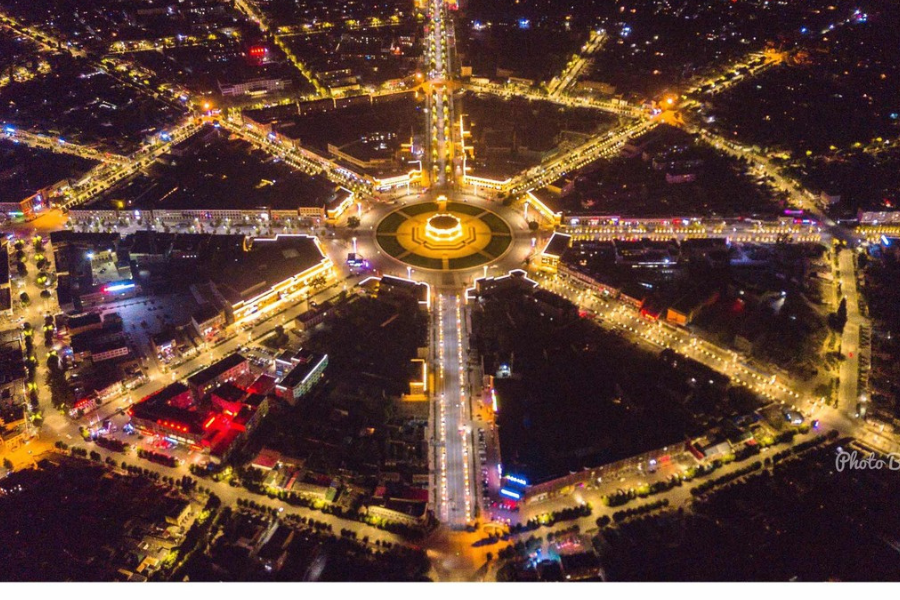
Most travelers enter Urumqi through Ürümqi Diwopu International Airport, which connects directly with major Chinese cities.
The main challenge is not reaching the city itself, but moving efficiently between nighttime photography locations. Distances between skyline viewpoints, bridges, rooftop areas, and commercial districts are often longer than they appear on maps.
Public transportation remains possible during early evening hours, but it becomes less convenient later at night when carrying camera equipment or moving between multiple shooting spots.
Taxi services and private vehicles generally provide more flexibility for photographers because ideal shooting conditions often depend on changing traffic flow, weather, and lighting intensity.
Traffic congestion can also slow movement significantly during peak evening hours, especially near commercial roads and popular skyline districts.
Where to Stay in Urumqi
Travelers focused mainly on skyline and night photography usually benefit from staying in central urban districts near major commercial areas.
Hotels near elevated skyline zones or large boulevard systems reduce late-night transportation time and make it easier to revisit locations during changing lighting conditions.
For travelers combining photography with food streets and cultural districts, staying closer to Erdaoqiao or surrounding commercial neighborhoods creates easier access to both street photography and evening walking routes.
Photographers planning rooftop or drone shooting may prefer taller business hotels with upper-floor visibility across the city grid.
Practical Travel Tips
Arrive before blue hour to scout compositions and secure tripod space
Wind exposure becomes stronger on bridges and rooftop viewpoints
Bring spare batteries because colder night temperatures reduce battery life faster
Wide-angle lenses work especially well for skyline and boulevard compositions
Lens cloths help after dusty or windy evenings
Wet streets after light rain can improve reflection photography significantly
Allow extra travel time between locations because nighttime traffic often slows movement
Some commercial areas may restrict tripod placement or drone activity
Is a Guided or Private Night Photography Tour Worth It
Urumqi night photography becomes more complicated when combining multiple locations in one evening.
Travelers often underestimate how much time is lost dealing with traffic congestion, rooftop access coordination, changing lighting conditions, and long movement distances between shooting areas.
A more organized private route can make the experience smoother by improving pacing and reducing unnecessary transfers. This becomes especially useful for photographers trying to coordinate blue hour timing, skyline visibility, bridge lighting activation, and night market activity within a limited schedule.
Private transportation also helps reduce equipment management problems during late-night shooting sessions, particularly for travelers carrying tripods, drones, or multiple camera bodies.
Urumqi’s strongest night photography experience usually comes from good timing and efficient movement rather than simply visiting more locations. Planning the route carefully often produces better results than rushing between scattered viewpoints.