Xinjiang is one of the most rewarding regions in China for travelers who love dramatic landscapes, long-distance road trips, and cultural experiences that feel very different from eastern China. From alpine lakes and Kazakh grasslands to Silk Road ruins and Uyghur bazaars, Xinjiang offers some of the most visually diverse travel experiences in Asia.
At the same time, Xinjiang is much larger and logistically more complex than many first-time visitors expect. Distances between destinations are often underestimated, mountain weather changes quickly, and some routes require full-day drives across remote areas of western China.
For most first-time visitors, the best Xinjiang trips balance scenery, pacing, transportation comfort, and realistic route planning. Northern Xinjiang is usually better for lakes, forests, and grasslands, while Southern Xinjiang is ideal for Silk Road culture, desert landscapes, and deeper cultural experiences.
Hiorient Travel specializes in customized Xinjiang and Silk Road journeys designed around comfortable pacing, bilingual support, and realistic travel rhythms for international visitors exploring western China for the first time.
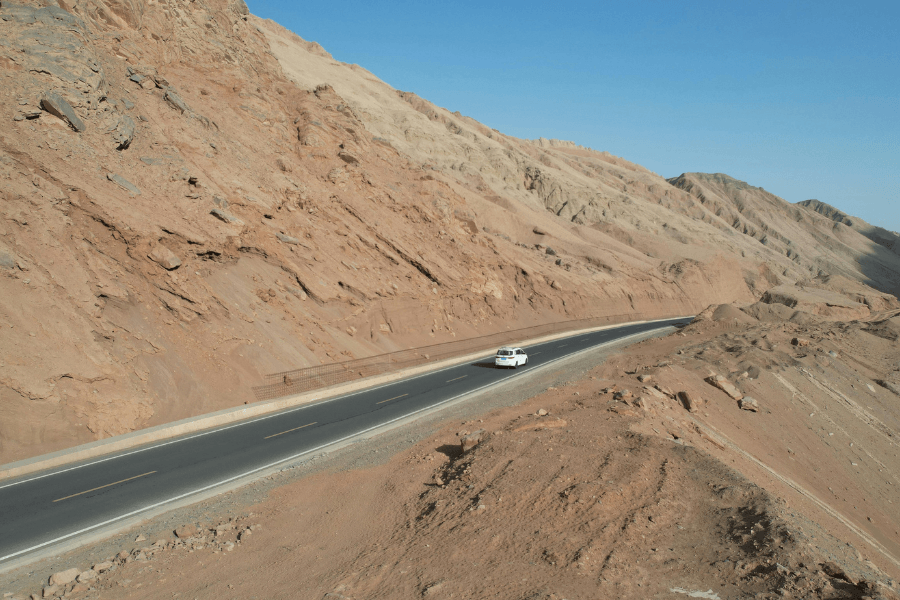
What Surprises Most First-Time Xinjiang Travelers
Xinjiang covers nearly one-sixth of China's total land area. Traveling here feels more like crossing multiple countries than visiting a single province.
Many first-time travelers underestimate how long transfers can take. Even routes that appear short on maps may still require 5-8 hours on the road because of mountain terrain, seasonal road conditions, scenic shuttle systems, or remote desert highways.
Unlike eastern China, where high-speed trains connect most cities efficiently, Xinjiang travel depends heavily on road transportation and carefully planned overnight stops.
Northern Xinjiang vs Southern Xinjiang
Northern Xinjiang is generally better for:
Lakes and forests
Grasslands and hiking
Summer and autumn scenery
Families and relaxed road trips
Photography-focused travel
Southern Xinjiang is better for:
Uyghur culture
Silk Road history
Desert landscapes
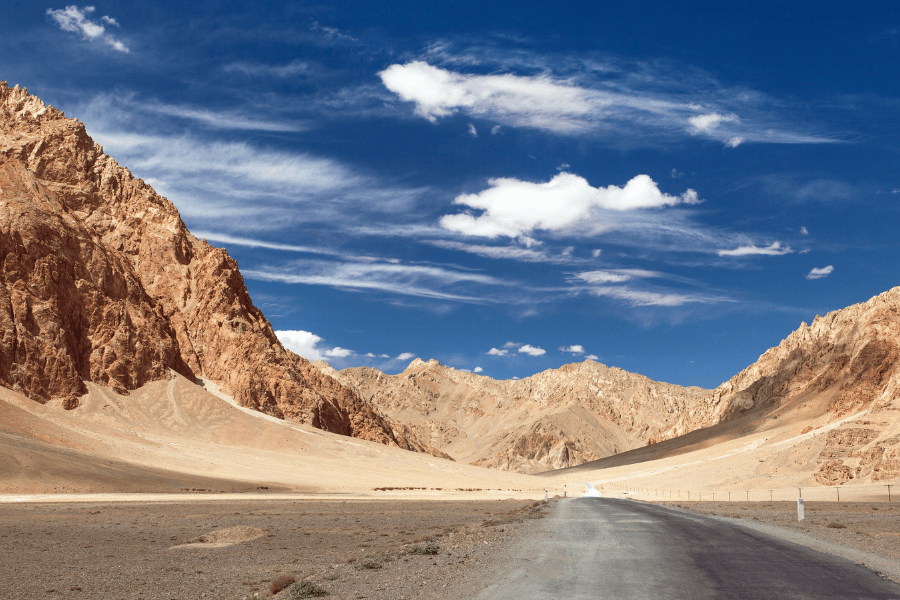
Pamir Plateau scenery
Travelers interested in local culture and slower exploration
Travelers attempting to combine both regions in one short trip often spend too much time in transit. Most balanced North-South Xinjiang routes require at least 10-14 days.
Seasonal Travel Reality
Xinjiang changes dramatically by season.
April is famous for apricot blossoms in Ili
June to September is best for grasslands and road trips
Late September to early October is peak autumn season in Kanas
Winter is ideal for snow photography and skiing
Flower seasons and autumn colors are both short. Weather shifts in mountain regions can also affect visibility and road conditions quickly.
Comfort Matters More Than Attraction Count
Many first-time travelers try to visit too many places too quickly.
In reality, Xinjiang is often more enjoyable with fewer hotel changes, slower pacing, and longer stays in scenic regions like Ili, Kanas, or Kashgar. Reducing logistical stress can make the entire journey feel significantly more comfortable, especially for families, photographers, and senior travelers.
For this reason, many international visitors prefer private transportation and flexible itineraries rather than rushed fixed schedules.
Kanas and Hemu — Xinjiang's Most Famous Autumn Landscapes
Kanas is one of the most iconic destinations in Xinjiang and often the highlight of Northern Xinjiang itineraries.
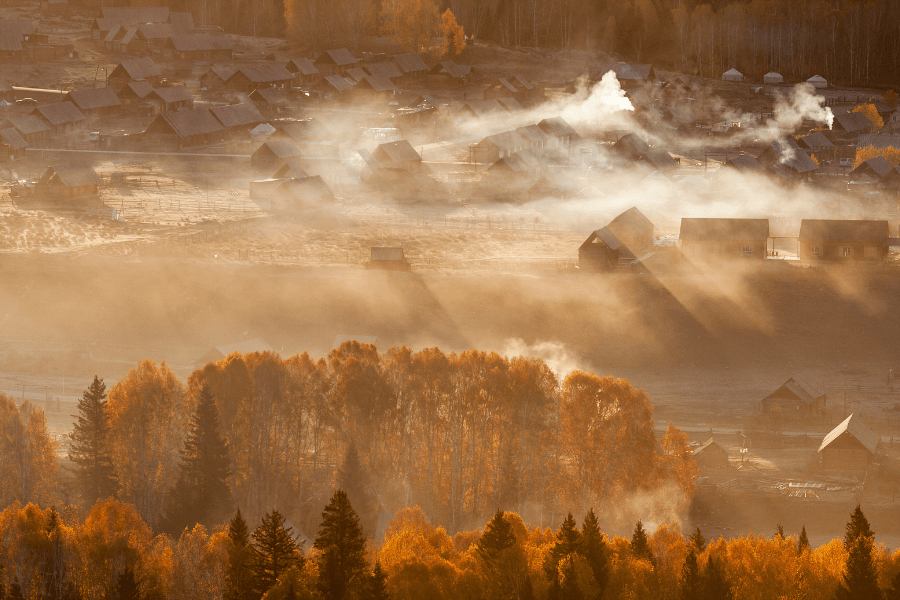
The area is famous for turquoise alpine lakes, golden birch forests, wooden villages, and dramatic seasonal color changes. Kanas Lake changes tone depending on weather and light conditions, while viewpoints like Moon Bay, Fairy Bay, and Wolong Bay offer some of the best autumn scenery in western China.
Nearby Hemu Village is one of the last major Tuva settlements in China. Morning mist, horses, smoke rising from wooden cabins, and golden forests make the village especially popular with photographers during late September.
Autumn is also the busiest season in Kanas. During peak foliage weeks, scenic shuttle transfers can become slow, and travelers sometimes spend longer than expected moving between viewpoints. Staying at least two nights in the area usually creates a much more relaxed experience.
Winter brings a completely different atmosphere. Snow-covered forests, horse-drawn sleds, fur skiing traditions, and frozen landscapes make Kanas one of the most unique winter destinations in China.
Because Kanas is remote, comfortable pacing matters. Many travelers who rush through Northern Xinjiang underestimate how tiring repeated long-distance transfers can become over multiple days.
Hiorient Travel often recommends combining Kanas with slower overnight stays in Hemu to reduce travel fatigue and allow more flexibility for sunrise photography and weather changes.
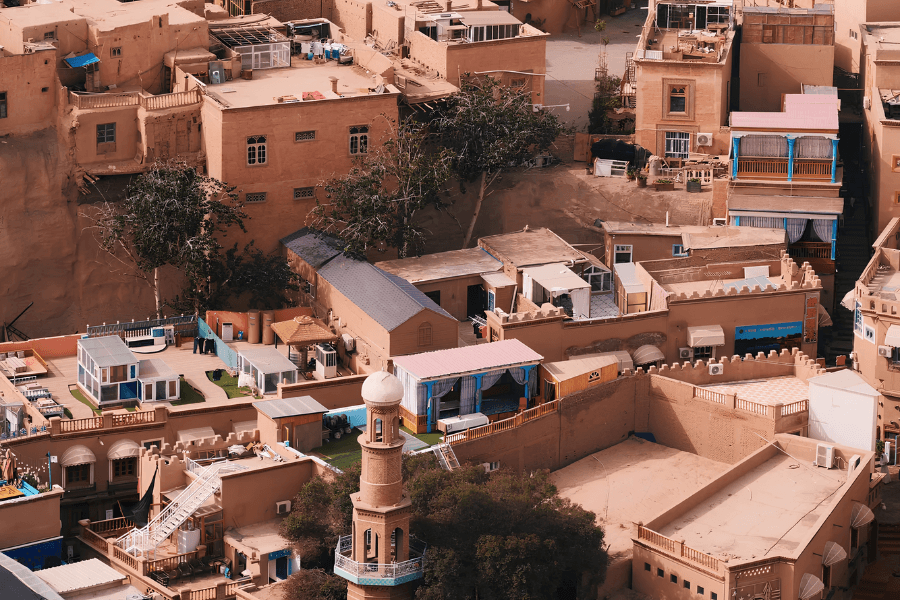
Why Kashgar Feels Different from Anywhere Else in China
Kashgar offers one of the strongest cultural experiences in Xinjiang and feels very different from most Chinese cities.
The old town has more than 2,000 years of history and still preserves a strong Central Asian atmosphere. Narrow alleys, earth-colored homes, mosques, workshops, and traditional tea houses create a rhythm of life that feels slower and more traditional than eastern China.
Many travelers recognize the setting from The Kite Runner because parts of Kashgar resemble older neighborhoods once common across Central Asia.
Walking through Kashgar is less about sightseeing efficiency and more about observation. Local craftsmen still produce copperware, musical instruments, pottery, bread, and textiles inside small family-run workshops.
Unlike some destinations that require intensive transportation logistics, Kashgar works best at a slower pace. Spending extra time in tea houses, side alleys, and traditional markets often creates a more rewarding experience than trying to cover many attractions quickly.
English support remains limited outside major hotels, and cultural interpretation can sometimes feel difficult for first-time visitors unfamiliar with Uyghur traditions or local customs. Many travelers find bilingual local guidance especially helpful here, not because Kashgar is difficult, but because understanding daily life adds much more depth to the experience.
Heavenly Lake — The Easiest Nature Escape from Urumqi
Heavenly Lake, also called Tianchi, is one of the easiest scenic destinations to access from Urumqi.
The lake sits beneath Bogda Peak and is surrounded by spruce forests and mountain scenery. On clear days, snow-covered peaks reflect directly across the water, creating one of Xinjiang's classic postcard landscapes.
Because the lake is only about one hour from Urumqi, it works particularly well for travelers with shorter itineraries or visitors adjusting to Xinjiang travel rhythms after arriving from eastern China.
Travelers can walk around the lake, take boat rides, or use the cable car to reach higher viewpoints.
Compared with longer grassland or desert routes, Heavenly Lake requires far less physical effort and transportation coordination. It is often one of the most comfortable scenic stops for families, senior travelers, or visitors wanting nature without extremely long drives.
Peak summer weekends and Chinese public holidays can become crowded, so earlier departures from Urumqi usually create a calmer experience.
Ili Apricot Blossoms — Xinjiang's Short but Spectacular Spring Season
Every spring, Ili's Apricot Valley becomes one of the most photogenic places in Xinjiang.
Pink and white blossoms spread across rolling green hills, while Kazakh yurts, grazing horses, and snow mountains create one of the region's most recognizable spring landscapes.
The flowering period is beautiful but extremely short. In some years, peak bloom lasts only around 7-10 days depending on weather conditions and elevation changes across the valley.
Because of this unpredictability, flexible route planning becomes much more important than fixed schedules. Travelers who lock spring itineraries too early sometimes miss the best bloom timing completely.
Photography conditions also change rapidly throughout the day. Early morning fog, shifting sunlight, and mountain shadows create very different scenes even within a few hours.
For travelers focused on seasonal landscapes rather than rushing between attractions, slower-paced Ili routes often create a much more rewarding experience.
Hiorient Travel usually recommends combining Apricot Valley with Sayram Lake and grassland regions nearby, which reduces unnecessary backtracking and creates a smoother spring road-trip rhythm.
Ski Through Snowy Forests Near Urumqi
Xinjiang has quietly become one of China's top winter sports destinations.
Silk Road International Ski Resort near Urumqi is one of the country's best-known ski resorts and hosted events during China's National Winter Games. The scenery feels very different from typical ski resorts because many ski runs pass directly through dense Tianshan spruce forests.
Winter in Xinjiang is not only about skiing. Snow photography, frozen lakes, horse sledding, forest cabins, and quieter travel conditions also attract many visitors who prefer slower winter experiences.
Compared with peak summer tourism, winter travel often feels less crowded and more relaxed. Hotel availability is usually better, and transportation pressure decreases outside major holiday periods.
However, winter conditions can still affect road schedules and mountain visibility. Travelers unfamiliar with snow-region driving in western China generally find private transportation more comfortable than self-driving during icy conditions.
Jiaohe Ancient City — A Lost Silk Road City in the Desert
Jiaohe Ancient City is one of the most important Silk Road ruins in Xinjiang.
Built more than 2,000 years ago, it is considered the world's largest and best-preserved ancient earthen city. Visitors can still see old streets, Buddhist temples, residences, military areas, and workshop remains carved directly from compact earth.
Unlike heavily reconstructed historical sites elsewhere in China, Jiaohe still feels raw and exposed to the desert environment. The surrounding silence and open terrain make the ruins feel surprisingly atmospheric, especially near sunset.
Turpan's dry climate helped preserve the city for centuries, but it also creates intense summer heat. Afternoon temperatures can become exhausting during July and August, especially for travelers unaccustomed to desert conditions.
Most experienced Xinjiang routes visit Jiaohe either early in the morning or close to sunset, when both photography conditions and walking comfort improve significantly.
Sayram Lake — One of Xinjiang's Best Summer Road Trips
Sayram Lake is often called “the last tear of the Atlantic” because moist Atlantic air currents stop here after crossing Eurasia.
The lake is famous for deep blue water, open grasslands, distant snow mountains, and summer wildflowers. During June and July, lakeside meadows become especially colorful.
Sayram Lake is less about individual attractions and more about the overall driving experience. The roads around the lake are wide, scenic, and relatively relaxed compared with some mountain routes deeper inside Ili.
For many travelers, this becomes one of the least stressful sections of a Xinjiang road trip.
Cycling, lakeside walks, horseback riding, and slower sightseeing all work well here. Unlike destinations that require heavy walking or complicated shuttle systems, Sayram Lake allows travelers to enjoy scenery without constant movement.
Mountain weather still changes quickly around the lake, even during summer. Wind conditions can also become surprisingly cold near the shoreline.
Nalati and Kalajun — Xinjiang's Most Beautiful Grassland Region
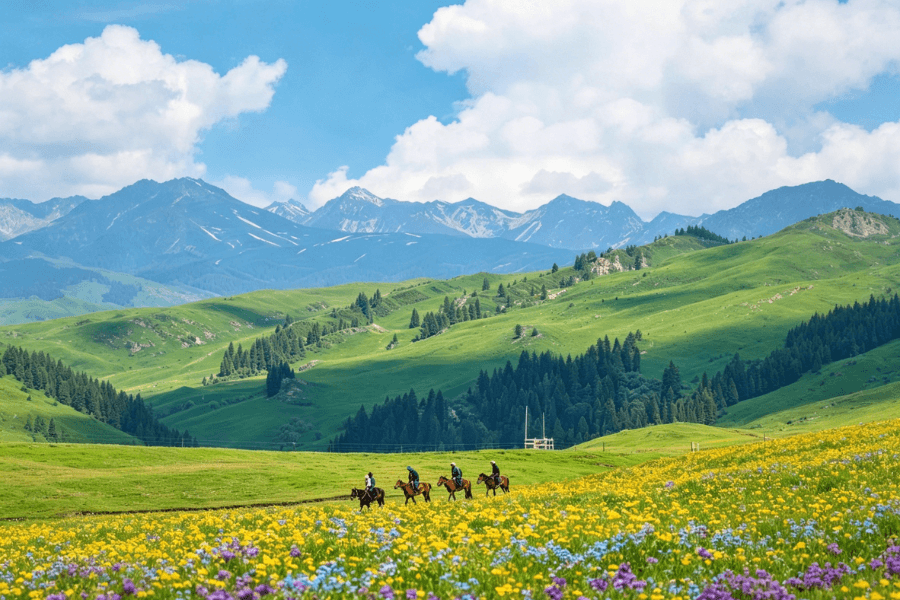
Nalati and Kalajun represent two of the best grassland experiences in Xinjiang.
Nalati is known for wide alpine meadows, Kazakh culture, flower-filled valleys, and rolling mountain scenery. Kalajun is more dramatic visually, with curved grassland ridges, forested slopes, deep valleys, and famous photography locations like Crocodile Bay and the “human body grassland.”
Although these grasslands appear close together on maps, travel between scenic areas can still involve long driving days and repeated shuttle transfers.
This is one reason many experienced Xinjiang travelers avoid overly packed Ili itineraries. Trying to combine too many grasslands within a short timeframe often turns the trip into continuous transportation instead of actual enjoyment.
Horse riding, hiking, and photography are all excellent here, but physical activity levels vary greatly depending on the route. Some viewpoints require moderate uphill walking, especially during wet weather.
Families and comfort-oriented travelers usually benefit from slower pacing and fewer overnight hotel changes while exploring Ili grassland regions.
Hiorient Travel often designs Ili routes with extra buffer time because weather, road conditions, and photography timing can all shift quickly in mountain areas.
Karakul Lake and the Pamirs — The Most Dramatic Drive in Xinjiang
Karakul Lake sits beneath Muztagh Ata along the Karakoram Highway between Kashgar and Tashkurgan.
The drive itself is one of the highlights of Southern Xinjiang. Snow mountains, glacier valleys, desert plateaus, and Kyrgyz settlements create scenery that feels closer to Central Asia than eastern China.
Karakul Lake stands at around 3,600 meters above sea level, and some travelers notice mild altitude discomfort after leaving Kashgar.
The drive from Kashgar to the lake usually takes around four hours one way. Travelers who attempt the round trip in a single day sometimes underestimate how tiring the route can feel because of altitude, distance, and changing weather conditions.
For a more comfortable experience, many experienced Xinjiang itineraries continue onward to Tashkurgan instead of returning immediately to Kashgar.
Photography conditions around the lake change rapidly throughout the day. Wind, clouds, and mountain visibility can completely transform the landscape within minutes.
This route is especially rewarding for travelers who prefer scenery, slower road trips, and remote landscapes rather than dense sightseeing schedules.
Xinjiang Food and Bazaars — A Different Side of China
Food is an essential part of the Xinjiang travel experience.
Popular dishes include lamb kebabs, polo rice, nang bread, yogurt, roasted buns, and hand-pulled noodles. Xinjiang is also famous for fruit such as Hami melons, grapes, and Korla pears because of the region's long sunshine hours and dry climate.
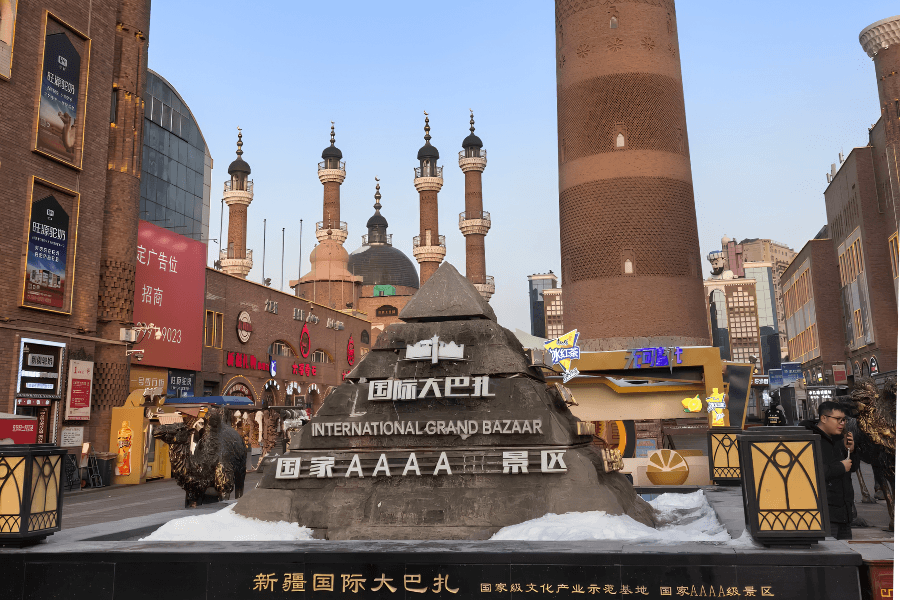
In Urumqi, the International Grand Bazaar and Erdaoqiao area combine food streets, markets, and Islamic-style architecture.
In Kashgar, the Sunday Livestock Market offers one of the most authentic market experiences in Xinjiang. Traditional livestock trading methods are still common, including examining sheep by hand and closing deals through handshakes.
For many first-time visitors, Xinjiang food culture feels very different from typical Chinese restaurant experiences abroad.
At the same time, local dining environments can sometimes feel unfamiliar for travelers unused to crowded bazaars, limited English menus, or strongly regional flavors.
Travelers who prefer more comfortable cultural immersion often enjoy smaller family-run restaurants and slower food-focused experiences rather than only visiting tourist-heavy market streets.
Final Thoughts on Traveling in Xinjiang
Xinjiang is not a destination that can be fully experienced in one trip.
Some travelers come for the forests and lakes of Northern Xinjiang, while others are drawn to Silk Road culture, desert highways, and the Pamir Plateau in the south. The best itineraries are usually the ones that balance scenery with realistic pacing and transportation comfort.
For first-time travelers to China, reducing logistical stress often makes the experience far more enjoyable than trying to maximize attraction count.
Long-distance routes, mountain weather, remote highways, and limited English support can all make Xinjiang feel more demanding than many travelers initially expect. Thoughtful route planning, comfortable transportation, and flexible timing often become just as important as the destinations themselves.
Hiorient Travel focuses on customized Xinjiang journeys built around smoother pacing, seasonal timing, bilingual local support, and more comfortable long-distance travel experiences for international visitors exploring western China.
FAQ
Q1: Is Xinjiang good for first-time visitors to China?
Yes. Xinjiang is suitable for first-time visitors who enjoy nature, road trips, and cultural experiences. However, the region is much larger than many travelers expect, and transportation between scenic areas often requires careful planning and realistic pacing.
Q2: How many days do you really need in Xinjiang?
Most travelers need at least 7-10 days to explore Xinjiang comfortably. If you plan to visit both Northern and Southern Xinjiang, 12-14 days is usually a more realistic timeframe due to long driving distances and internal travel days.
Q3: Is Xinjiang easier with a private driver?
For many international travelers, yes. Scenic areas in Xinjiang often involve long road transfers, changing weather conditions, and limited English support. Private transportation usually creates a smoother, less tiring experience with more flexible pacing.
Q4: Is Xinjiang too tiring for families or senior travelers?
Xinjiang can feel tiring if the itinerary includes too many long-distance driving days or frequent hotel changes. Families and senior travelers usually enjoy the region more with slower pacing, fewer overnight moves, and longer stays in key scenic areas.
Q5: When is the best time to visit Xinjiang?
June to September is the best overall season for grasslands, lakes, and road trips. Late September and early October are ideal for autumn colors in Northern Xinjiang, while winter is best for skiing and snow photography.