Planning Xinjiang for the First Time? Start Here
Planning a Xinjiang itinerary is very different from planning a trip to eastern China. Xinjiang is enormous, and travel distances between cities are often much longer than first-time visitors expect. A route that looks manageable on a map may still involve full-day drives, airport security procedures, mountain roads, and multiple hotel changes.
For most first-time visitors, 7-10 days is the most comfortable amount of time for Xinjiang. This allows you to experience Silk Road culture, Uyghur markets, mountain scenery, and desert landscapes without spending most of the trip in transit.
If you prefer lakes, forests, grasslands, and photography, Northern Xinjiang is usually the better choice. If you are more interested in Silk Road history, bazaars, deserts, and ethnic culture, Southern Xinjiang offers a deeper cultural experience.
Rather than trying to cover everything in one trip, most travelers enjoy Xinjiang far more when they focus on one region and travel at a realistic pace.
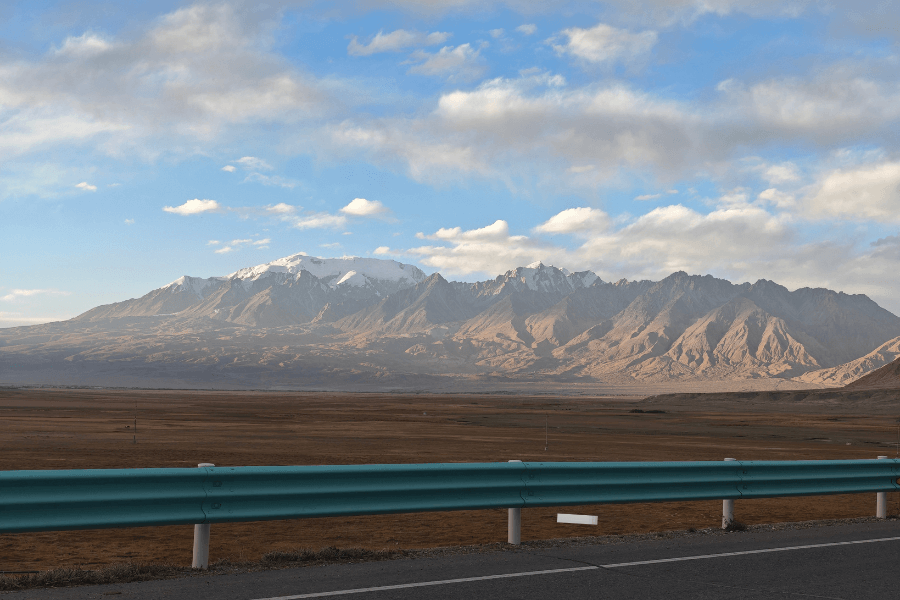
Which Xinjiang Route Fits Your Travel Style?
Different regions of Xinjiang offer very different travel experiences. Choosing the right route depends on your interests, comfort expectations, available time, and tolerance for long-distance travel.
| If You Prefer | Best Xinjiang Choice |
|---|---|
| Lakes, forests, and grasslands | Northern Xinjiang |
| Silk Road history and culture | Southern Xinjiang |
| Comfortable first-time route | Urumqi + Turpan + Kashgar |
| Photography-focused travel | Altay, Ili, Pamir Plateau |
| Short trip under one week | Kashgar or Kanas only |
| Family-friendly pacing | Northern Xinjiang |
| Deep cultural immersion | Southern Xinjiang |
Xinjiang is not a destination where travelers should try to move too quickly. Long driving days are common, and changing hotels every night can quickly become exhausting, especially for families and senior travelers.
For first-time visitors to China, slower pacing almost always creates a more comfortable and enjoyable experience.
Comparing the 4 Most Popular Xinjiang Routes
| Route | Best For | Senior Friendly | Hotel Comfort | Walking Intensity | Fatigue Level |
|---|---|---|---|---|---|
| Urumqi + Turpan + Kashgar | First-time visitors | High | High | Moderate | Moderate |
| Southern Xinjiang Silk Road | Culture & history lovers | Moderate | Moderate | Moderate | High |
| Kashgar + Pamir Plateau | Short cultural trips | Moderate | Moderate | Low-Moderate | Moderate |
| Northern Xinjiang Nature Route | Families & photographers | High | Moderate-High | Moderate | Moderate |
For many international travelers, comfort level matters more than the number of attractions covered. A slower itinerary with fewer hotel changes often creates a much better Xinjiang experience than an overly ambitious route.
How Much Time Do You Really Need for Xinjiang?
Because Xinjiang is the largest provincial-level region in China, transportation planning matters almost as much as sightseeing itself.
Less Than 7 Days
If you only have 5-6 days, focus on one area instead of trying to cover the entire region.
Recommended choices include:
Kashgar + Pamir Plateau
Kanas + Hemu in Northern Xinjiang
This works best for travelers with limited vacation time who still want a meaningful Xinjiang experience without constant transportation fatigue.
7-10 Days
This is the ideal range for most first-time visitors.
A classic Xinjiang route usually includes:
Urumqi
Turpan
Kashgar
This combination offers:
Silk Road history
Uyghur culture
mountain scenery
bazaars
desert landscapes
while keeping travel pacing relatively manageable.
10-14 Days
With more time, travelers can explore one region in greater depth or combine multiple areas together.
Popular choices include:
Northern Xinjiang scenic routes
Southern Xinjiang Silk Road routes
Ili grasslands and Altay photography routes
This pacing allows for fewer rushed transfers and more flexibility.
More Than 14 Days
Two weeks or longer makes it possible to experience both Northern and Southern Xinjiang in one journey.
These larger routes often include:
Kanas
Ili
Kashgar
Pamir Plateau
Kuqa
Turpan
Taklamakan Desert Highway
However, travelers should expect significant overland travel and multiple long-distance transfer days.
Northern or Southern Xinjiang – Which Should You Choose?
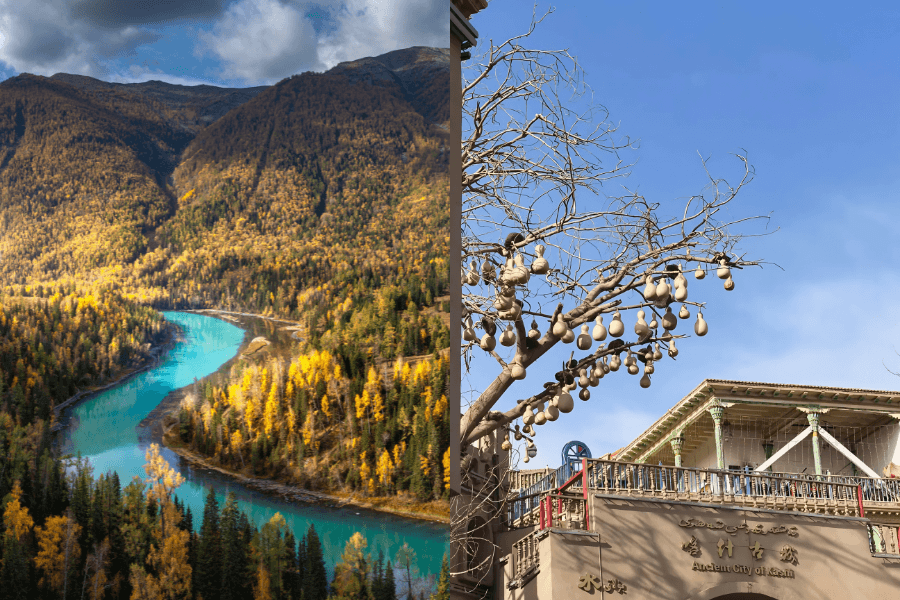
Choosing between Northern and Southern Xinjiang is often the biggest itinerary decision for first-time travelers.
| Comparison | Northern Xinjiang | Southern Xinjiang |
|---|---|---|
| Main Experience | Nature & grasslands | Silk Road culture |
| Landscapes | Lakes, forests, mountains | Deserts, oasis towns |
| Best Cities | Altay, Ili, Urumqi | Kashgar, Turpan, Kuqa |
| Best Season | June-October | April-October |
| Travel Style | Scenic & relaxing | Cultural & immersive |
| Family Suitability | Higher | Moderate |
| Driving Difficulty | Moderate | Higher |
Choose Northern Xinjiang If You Prefer
alpine scenery
photography
cooler summer weather
grasslands and lakes
family-friendly travel rhythm
Choose Southern Xinjiang If You Prefer
Silk Road history
ethnic culture
bazaars and old towns
desert highways
deeper cultural immersion
Northern Xinjiang generally feels easier for first-time visitors because the scenery-focused travel style is more relaxed. Southern Xinjiang often feels more adventurous and culturally immersive, but also involves longer overland travel.
7 Days in Xinjiang – The Best First-Time Route
Urumqi – Turpan – Kashgar
This is one of the most balanced Xinjiang itineraries for first-time visitors. It combines mountain scenery, Silk Road ruins, Uyghur culture, and manageable transportation logistics.
Suggested Route
Day 1 – Arrive in Urumqi
Day 2 – Heavenly Lake and transfer to Turpan
Day 3 – Turpan sightseeing and return to Urumqi
Day 4 – Fly to Kashgar
Day 5-6 – Explore Kashgar
Day 7 – Departure
Why This Route Works Well
You experience:
Heavenly Lake and the Tianshan Mountains
Jiaohe Ruins and the Karez irrigation system
Uyghur villages in Turpan
Kashgar Old City and Id Kah Mosque
Central Asian atmosphere in Kashgar bazaars
Domestic flights help reduce overland fatigue, making this route more comfortable than many longer Xinjiang road trips.
What Travelers Often Underestimate
Even this relatively comfortable route still involves multiple airport procedures and several long sightseeing days.
Many first-time China travelers are surprised by:
airport security checks before domestic flights
passport registration at hotels
limited English signage outside major airports
large walking areas inside train stations and airports
Using a private guide and driver can make these transitions much smoother, especially for families or travelers unfamiliar with China's transportation system.
Hiorient Travel Insight
Many HiOrient Travel guests extend the Kashgar section by adding:
Karakul Lake
Tashkurgan
Pamir Plateau
This creates a deeper Silk Road experience without dramatically increasing overall trip difficulty.
12 Days Across Southern Xinjiang and the Ancient Silk Road
Urumqi – Turpan – Korla – Kuqa – Hotan – Kashgar
Southern Xinjiang offers one of the deepest Silk Road travel experiences in China. This route focuses less on classic sightseeing and more on cultural atmosphere, ancient trade routes, desert landscapes, and local life.
Suggested Route
Day 1 – Urumqi
Day 2-3 – Turpan
Day 4 – Korla
Day 5 – Kuqa
Day 6 – Shache
Day 7-8 – Hotan
Day 9-11 – Kashgar and Pamir Plateau
Day 12 – Departure
Why Travelers Choose Southern Xinjiang
Highlights include:
crossing the Taklamakan Desert region
Kizil Thousand Buddha Caves
ancient Silk Road oasis towns
Uyghur bazaars
Pamir Plateau landscapes
Karakul Lake
Southern Xinjiang offers some of the strongest Silk Road atmosphere anywhere in China.
The Reality of Traveling in Southern Xinjiang
This route is rewarding, but also more demanding than most Northern Xinjiang itineraries.
Travelers should expect:
several consecutive 500-700 km driving days
fewer high-standard hotels outside major cities
dry desert climate and strong sunlight
limited English support in smaller towns
frequent passport checks along certain highways
Road conditions are generally good, but distances between oasis towns are much larger than many travelers expect.
Hiorient Travel Insight
Many international travelers choose private transportation in Southern Xinjiang because it reduces fatigue and simplifies complex route logistics.
HiOrient Travel often helps guests combine:
photography-focused pacing
bilingual local guides
desert camping
cultural workshops
flexible stop schedules
which are difficult to arrange independently in remote areas.
Only Have 5 Days? Choose Kashgar and the Pamir Plateau
Kashgar – Karakul Lake – Tashkurgan
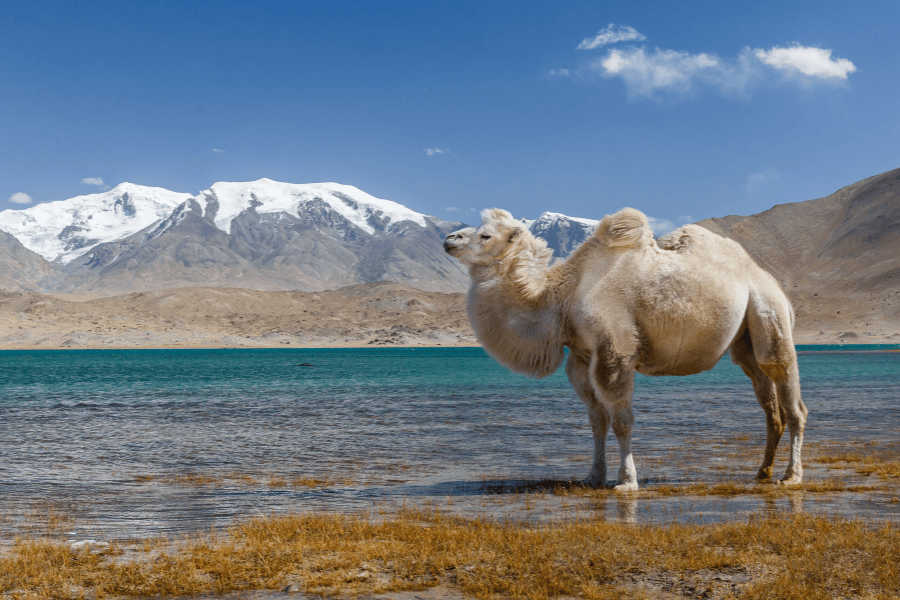
If your time is limited but you still want a memorable Xinjiang experience, Kashgar and the Pamir Plateau offer one of the best short itineraries in western China.
Suggested Route
Day 1 – Arrive in Kashgar
Day 2 – Kashgar Old City and bazaar
Day 3-4 – Pamir Plateau and Tashkurgan
Day 5 – Departure
What Makes This Route Special
Travelers can experience:
Kashgar Old Town
Id Kah Mosque
Uyghur handicraft streets
livestock markets
Karakul Lake
Muztagh Ata views
Tajik culture in Tashkurgan
The contrast between oasis cities and high mountain scenery is especially memorable.
Important Travel Reality
The Kashgar to Tashkurgan drive usually takes most of the day once checkpoint procedures, mountain driving, and photography stops are included.
Altitude above 3,000 meters may also cause mild discomfort for some travelers. Slower pacing and hydration are important, especially on the first night.
Internet signal in some mountain sections can also become unstable, so downloading offline maps before departure is recommended.
Hiorient Travel Insight
This route works especially well for travelers interested in:
Silk Road culture
photography
mountain scenery
shorter customized Xinjiang trips
Many guests also add Tajik family visits or horseback experiences around Tashkurgan.
8 Days Through Northern Xinjiang's Lakes and Grasslands
Urumqi – Burqin – Kanas – Karamay
Northern Xinjiang is usually the easiest region for first-time visitors who want scenery-focused travel with relatively comfortable pacing.
Suggested Route
Day 1-2 – Urumqi and Heavenly Lake
Day 3 – Burqin and Five-Colored Beach
Day 4-5 – Kanas Lake and Hemu Village
Day 6 – Karamay and Ghost City
Day 7 – Return to Urumqi
Day 8 – Departure
Why Northern Xinjiang Is So Popular
Highlights include:
Kanas Lake
Hemu Village
Tuva culture
forest landscapes
alpine lakes
Five-Colored Beach
Yardang landforms in Ghost City
Summer and autumn are especially popular for photography and family travel.
The Reality of Northern Xinjiang Travel
Although Northern Xinjiang feels more relaxed than Southern Xinjiang, travel distances are still significant.
Driving from Burqin to Kanas during peak season can easily take 6-8 hours once traffic queues near the scenic area entrance are included.
Travelers should also expect:
mountain roads
changing weather conditions
busy tourism seasons in Kanas
early hotel sell-outs during autumn foliage season
Families and senior travelers usually enjoy this route more when extra rest time is included instead of trying to visit too many locations too quickly.
Hiorient Travel Insight
Many HiOrient Travel guests extend this route toward:
Ili
Nalati Grassland
Sayram Lake
Duku Highway
for a more complete Northern Xinjiang journey.
Common Xinjiang Planning Mistakes First-Time Travelers Make
Trying to Cover Too Much
One of the most common mistakes is attempting to combine Northern and Southern Xinjiang in a short trip.
Distances are much larger than many travelers expect, and constant transportation quickly becomes exhausting.
Underestimating Driving Fatigue
Even scenic routes can become tiring after several consecutive long driving days.
A Xinjiang route that looks short online may still require:
full-day drives
early departures
mountain roads
checkpoint delays
Adding slower travel days often improves the overall experience significantly.
Ignoring Seasonal Conditions
Some routes are highly seasonal.
Examples include:
Duku Highway opening only during warmer months
Kanas autumn colors lasting a short time
Pamir weather changing rapidly even in summer
Changing Hotels Too Frequently
Frequent packing and unpacking can quickly reduce travel comfort, especially for families and senior travelers.
In Xinjiang, fewer hotel changes usually create a smoother travel rhythm.
Important Things to Know Before Traveling in Xinjiang
Transportation Reality
Most Xinjiang itineraries rely heavily on:
private vehicles
domestic flights
small group tours
Train connections exist between major cities, but travel times can still be long.
For first-time China travelers, airport procedures can sometimes take longer than expected due to security checks and ID verification requirements.
Mobile Payment & Internet Access
Alipay and WeChat Pay are widely used across Xinjiang.
International travelers should ideally set up mobile payment systems before arrival in China. While cash is still accepted in some areas, mobile payment is now the standard in most cities.
VPN access can also vary depending on the region and provider. Travelers who rely on Google services or social media platforms should prepare before entering China.
What to Pack
Bring:
sunscreen
moisturizer
sunglasses
comfortable walking shoes
a light jacket even in summer
Day and night temperatures can vary significantly, especially in mountain regions.
Border Permit Information
Travel to Tashkurgan and some border regions requires a border permit. Travel agencies can usually help arrange this in advance.
Is Independent Travel or a Private Tour Better in Xinjiang?
Independent travel in Xinjiang is possible, but many first-time visitors find the logistics more complicated than expected.
Long driving distances, language barriers, hotel coordination, airport procedures, and route planning can become tiring over a multi-day trip.
A private driver and guide can help reduce:
transportation stress
route confusion
language difficulties
travel fatigue
scheduling problems
This becomes especially valuable on longer routes involving remote highways, mountain regions, or multiple transfers.
For families, senior travelers, and comfort-oriented visitors, customized private travel often creates a much smoother experience overall.
FAQ
Q1: How many days do you really need for Xinjiang?
Most first-time visitors should plan at least 7-10 days for Xinjiang. This allows enough time to experience either a classic Silk Road route or a Northern Xinjiang nature itinerary without feeling constantly rushed by long-distance transportation and hotel changes.
Q2: Which is better for first-time visitors — Northern or Southern Xinjiang?
Northern Xinjiang is usually easier for first-time visitors because the travel style is more scenery-focused and physically relaxed. Southern Xinjiang offers deeper Silk Road culture and stronger ethnic atmosphere, but travel distances are longer and routes often feel more demanding overall.
Q3: Is Xinjiang suitable for family travel?
Yes. Northern Xinjiang is especially suitable for families because of its grasslands, lakes, cooler summer weather, and slower travel rhythm. Routes with fewer hotel changes and shorter driving days usually create a much more comfortable experience for children and older travelers.
Q4: Do I need a private driver in Xinjiang?
Independent travel is possible, but many travelers find private transportation much easier in Xinjiang due to long distances, language barriers, and changing road conditions. A private driver can also reduce travel fatigue and make airport, hotel, and route coordination much smoother.
Q5: What is the best month for a Xinjiang itinerary?
June to October is generally the best period for Xinjiang travel. Summer is ideal for grasslands and alpine lakes in Northern Xinjiang, while September and early October are especially popular for autumn scenery, desert weather, and Silk Road photography routes.
Planning a Xinjiang Trip That Actually Fits Your Travel Style
Xinjiang rewards travelers who plan carefully and travel at a realistic pace. The region is vast, culturally diverse, and geographically complex, which makes local experience especially valuable when designing an itinerary.
Based in Urumqi with more than 20 years of regional experience, HiOrient Travel specializes in customized Xinjiang and Silk Road journeys for international travelers.
Our routes can include:
Northern Xinjiang nature expeditions
Silk Road cultural journeys
Pamir Plateau adventures
photography-focused itineraries
seasonal grassland and autumn foliage tours
private family travel experiences
Whether you want a comfortable 7-day first-time Xinjiang route or a full two-week overland Silk Road journey, every itinerary can be customized based on your travel pace, interests, and comfort preferences.