Boiled Lamb is one of the most straightforward expressions of lamb cuisine in Xinjiang and other northwest regions of China. It focuses on slow cooking in water or light salt broth, allowing the natural flavor of lamb to remain the center of the experience.
For travelers exploring Xinjiang cuisine, this dish is often less about seasoning complexity and more about understanding how pure meat flavor is presented in pastoral food culture.
What Boiled Lamb Actually Is
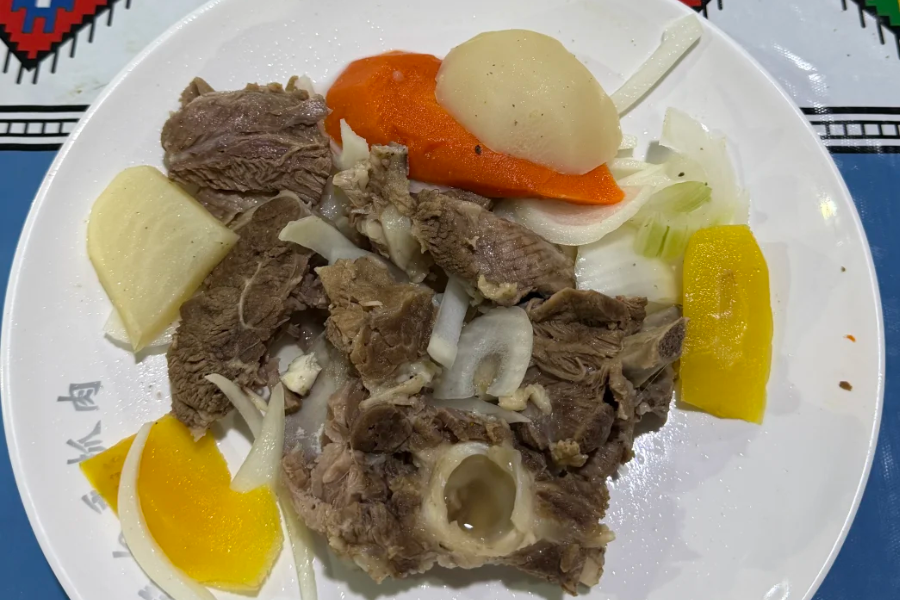
Boiled Lamb refers to lamb that is gently simmered in water or lightly salted broth without heavy spices or strong marinades. It is most commonly found in Uyghur cuisine and wider halal food traditions across northwest China.
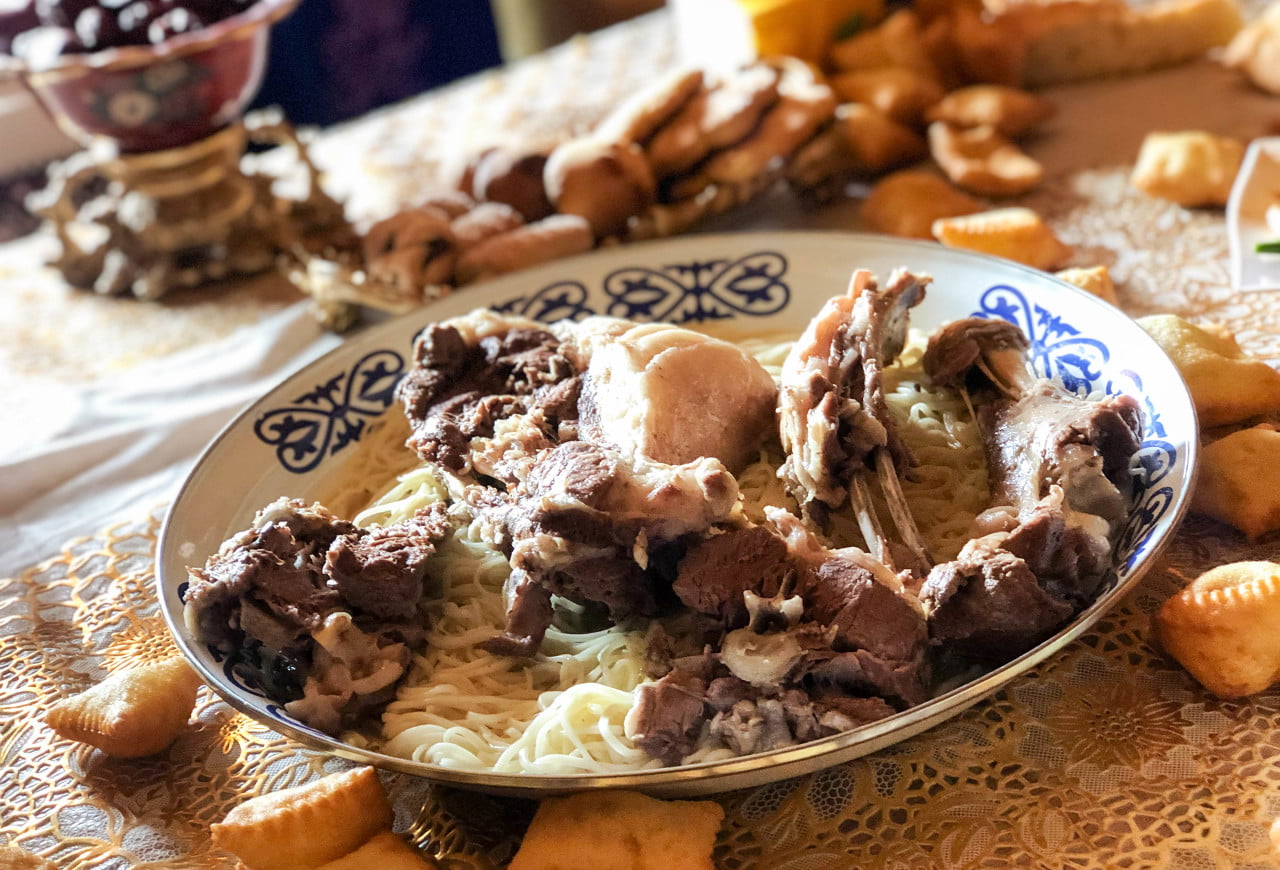
In local dining settings, it is often served as a shared main dish rather than a small individual portion. The focus stays on the ingredient quality rather than cooking complexity.
Flavor Profile and Texture Experience
The texture is usually soft but still structured, especially when the lamb is properly selected and slow cooked. Fat and lean meat are often balanced in the same cut, which creates a rich but clean mouthfeel.
Travelers usually notice three key characteristics:
Natural lamb aroma with minimal seasoning interference
Tender meat that separates easily from bone when well cooked
A mild broth-like juiciness that adds depth without heaviness
Compared to grilled or heavily stewed lamb, this version feels more direct and less layered in flavor.
How It Is Commonly Eaten
Boiled Lamb is typically not eaten alone in large bites. The eating rhythm is simple and repetitive, built around balancing richness with light accompaniments.
Most common combinations include lamb with onion slices, lamb with garlic or vinegar-based condiments, and bread used to absorb broth and fat. In many local settings, warm broth is also consumed at the end to soften the overall heaviness of the meal.
This structure helps maintain flavor clarity while preventing the dish from feeling too heavy too quickly.
Portion Size and Eating Pace
One of the most common surprises for travelers is portion size. Boiled Lamb is often served by weight or shared plate, and it is more filling than it first appears.
The richness builds gradually, especially with fattier cuts. Eating too quickly can make the meal feel heavy, while a slower pace improves comfort and enjoyment.
Earlier dining hours are usually more relaxed, and this can be a better option for first-time visitors.
Regional Cooking Style Differences
Across Xinjiang and nearby regions, the cooking method stays consistent, but ingredient selection and broth clarity may vary slightly.
Most versions rely on slow boiling with minimal seasoning, typically salt, onion, and natural broth reduction. The result depends heavily on lamb freshness and cooking time rather than spice layering.
Some places emphasize clearer broth and leaner cuts, while others prefer richer fat content for a more intense flavor experience.
What Travelers Should Expect Physically
Boiled Lamb is a high-energy dish with noticeable fat content, which means it can feel heavy after a full portion. This is especially true when combined with other rich local dishes in the same meal.
Travelers often underestimate how quickly satiety builds. A balanced approach to ordering helps avoid discomfort and keeps the experience enjoyable throughout the meal.
Common Misunderstandings
Many first-time visitors assume multiple side dishes are necessary, but Boiled Lamb is usually complete on its own. Others underestimate the impact of fatty cuts when ordering larger portions.
Another common misconception is expecting strong spice complexity. In reality, the dish is intentionally simple, and the flavor comes from ingredient quality rather than seasoning.
Practical Eating Tips for Travelers
A slower eating pace improves comfort and allows the flavor to develop naturally. Starting with smaller portions is often more effective than ordering a large shared plate immediately.
Light beverages or broth-based drinks can help balance richness during the meal. When available, combining lean and fatty cuts creates a more balanced overall experience.
Who This Dish Is Best For
Boiled Lamb is best suited for travelers who are interested in traditional pastoral cuisine and meat-focused dining styles. It is less suitable for those who prefer light or heavily seasoned dishes.
This is a better choice if you want to understand how lamb is traditionally prepared in northwest China without complex cooking layers.
Final Travel Insight
Boiled Lamb is not a dish defined by seasoning or presentation. It is defined by ingredient control, cooking patience, and portion awareness.
For travelers, the key to enjoying it is not choosing the “best version,” but understanding how to pace the meal and match it with simple pairings.
If you are planning a food-focused trip through Xinjiang, this is one of the clearest examples of how local cuisine prioritizes simplicity, balance, and natural flavor expression.