What to Expect in Yili Flower Fields
Yili Flower Fields refers to a broad seasonal landscape zone across the Ili River Valley rather than one single flower park. The experience combines alpine grasslands, lavender farms, Kazakh pastoral areas, and open valley scenery along the western Tianshan Mountains.
Unlike fixed flower gardens found in many tourist destinations, flower conditions in Yili change constantly based on bloom cycles, harvest timing, and weather. Some areas feel highly commercialized during peak season, while smaller village fields often feel quieter and more natural.
This trip works best for travelers who enjoy photography-focused routes, slower rural travel, and open summer landscapes rather than fast-paced sightseeing.
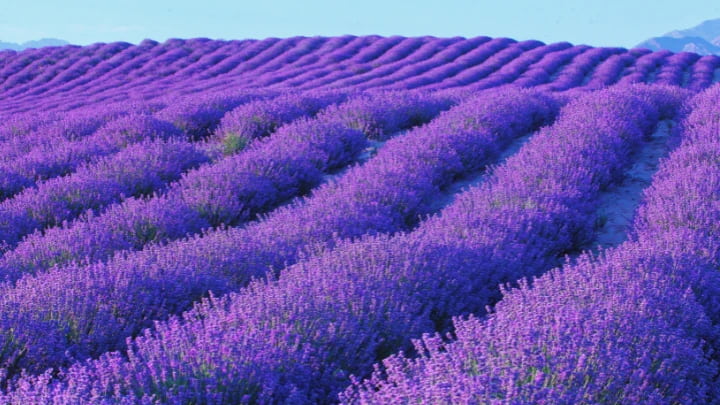
The defining visual feature is usually not the flowers alone. Most visitors remember the contrast between purple lavender rows, distant snow mountains, Kazakh villages, and long grassland roads stretching across the valley.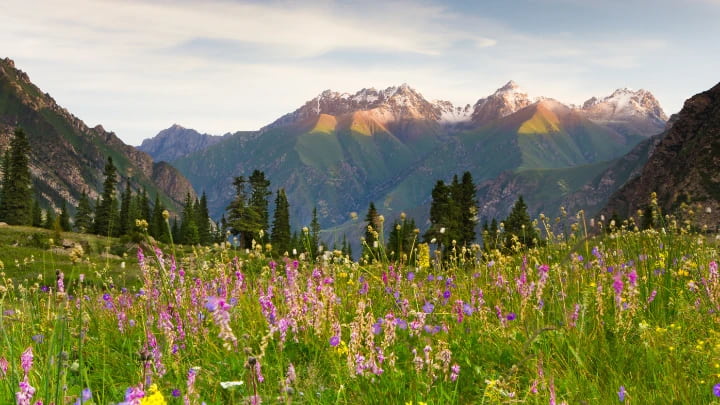
Best Time to Visit Yili Flower Fields
The best overall period is from mid-June to early July, especially around late June when lavender density is usually strongest.
Late May to early June works better for softer spring colors, smaller crowds, and mixed wildflower scenery across grassland areas such as Nalati Grassland and Kalajun Grassland.
July remains visually strong in some regions, though partial harvesting may begin in agricultural lavender zones. By August, the scenery shifts toward mixed grassland landscapes with fewer concentrated flower fields.
Morning and sunset generally provide the best conditions for both photography and comfort. Midday sunlight can become harsh, especially in open farmland areas with limited shade.
Weather conditions change quickly near mountain regions. Even during summer, evening temperatures often drop noticeably after sunset.
Recommended Itineraries in Yili Flower Fields
Classic Route (5 Days)
The most common route starts from Yining and follows the western Yili summer corridor through Huocheng, Sayram Lake, Nalati Grassland, and Tekes County.
This route balances flower viewing, grassland scenery, and Kazakh cultural landscapes without requiring extremely long driving days. It works well for first-time visitors and travelers with limited time.
The pacing is usually moderate rather than rushed. Most travelers spend more time stopping for photography than initially expected.
Extended Route (7–9 Days)
A longer route typically adds Zhaosu County, Tangbula Grassland, and deeper sections of the Ili River Valley.
This version works better for photographers, self-drive travelers, and visitors who prefer seasonal landscape travel over city-based tourism. The scenery becomes less commercialized outside the main lavender tourism zones.
Extended routes also improve flexibility when weather or bloom timing changes unexpectedly.
Custom Route Option
Flower-field conditions change every year, so route flexibility matters more than many travelers expect.
Some travelers combine lavender areas with Sayram Lake and Guozigou for mountain scenery, while others focus more heavily on grasslands and Kazakh cultural routes through Nalati and Zhaosu.
Customized planning often becomes useful because travel distances across Yili are larger than they appear on maps. A more flexible route also makes it easier to adjust around bloom timing, weather visibility, and accommodation availability.
How to Get to and Around Yili Flower Fields
Most travelers enter the region through Yining, which has both flights and rail connections from Urumqi and other major Xinjiang cities.
From Yining, transportation becomes more spread out. Major flower-viewing areas are separated by rural roads, mountain highways, and long valley drives.
Public transportation exists between larger towns, but it becomes less efficient for photography-based travel or multi-stop flower routes. Many rural flower fields are difficult to reach without private transportation.
Self-driving is common during summer, especially for travelers combining:
Huocheng lavender fields
Sayram Lake
Nalati Grassland
Guozigou
Kazakh villages
Zhaosu flower regions
However, driving times are often underestimated because of scenic stops, changing weather, and photography delays.
A private vehicle or organized route generally makes the experience smoother during peak bloom season.
Where to Stay in Yili Flower Fields
Yining works well as the main transportation hub and is usually the most practical starting point for shorter itineraries.
Huocheng is more convenient for travelers focused mainly on lavender fields and agricultural flower scenery. Staying locally also makes early morning photography easier before tourist crowds arrive.
Nalati and Tekes are better choices for travelers combining flower viewing with grassland routes and Kazakh pastoral landscapes.
Accommodation availability becomes tighter during late June and early July, especially around weekends and domestic holiday periods. Booking earlier usually provides better location options and more stable pricing.
Practical Travel Tips
Summer conditions in Yili are generally comfortable, but preparation still matters because most flower-viewing areas are exposed and spread across open terrain.
Travelers should prepare for strong UV exposure, dry air, dusty rural roads, and rapid temperature changes near mountain areas.
Comfort usually improves with basic preparation such as sunscreen, sunglasses, hats, water, and lightweight outerwear for evening temperature drops.
Photography conditions are usually strongest during early morning and sunset when lighting becomes softer and mountain visibility improves.
Some major flower parks feel heavily commercialized during peak season. Smaller roadside flower fields and village farmland areas often provide quieter scenery and more flexible photography conditions.
Is a Guided or Private Tour Worth It
Yili flower travel looks simple on maps, but route planning can become more complicated once travelers begin combining flower fields, grasslands, mountain scenery, and rural villages across long distances.
The main challenge is usually not sightseeing itself. It is coordinating bloom timing, transportation efficiency, accommodation locations, and photography conditions within a limited seasonal window.
Independent travel works well for experienced self-drive visitors who are comfortable adjusting plans around changing weather and rural road conditions.
For travelers visiting Xinjiang for the first time, a private route often reduces uncertainty significantly. This is especially useful during peak bloom season when flower conditions shift quickly and popular areas become crowded later in the day.
A more organized itinerary can also make it easier to combine Yili Flower Fields with Sayram Lake, Nalati Grassland, and Kazakh cultural routes without excessive backtracking across the valley.
The best Yili flower-field experience usually comes from good timing and steady pacing rather than trying to visit the largest number of attractions in the shortest time.