What to Expect in Yili Lavender Farms
A lavender farm visit in Yili is primarily a seasonal countryside experience centered around flower landscapes, photography, and slow-paced travel.
Unlike heavily structured sightseeing attractions, most lavender farms focus more on atmosphere than entertainment facilities. The experience usually depends on bloom timing, weather conditions, and lighting quality rather than the farm itself.
This type of trip works best for travelers who enjoy photography, rural scenery, seasonal travel, and relaxed summer itineraries. It’s especially suitable when combined with grasslands, lakes, and self-drive routes across the Ili River Valley region.
One thing many first-time visitors underestimate is how agricultural these farms still are. Some locations feel highly commercialized with cafés, viewing decks, and photography props, while others remain closer to working farms with fewer facilities and more natural scenery.
The most memorable part for many travelers is often the contrast between the purple flower rows, dry summer air, and distant Tianshan Mountain views rather than specific activities inside the farm.
Best Time to Visit Lavender Farms in Yili
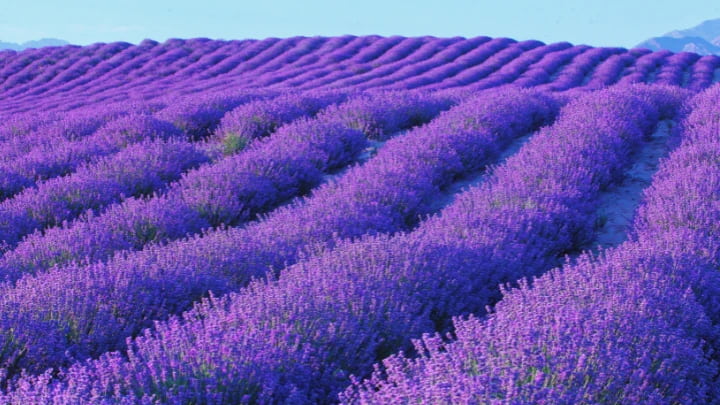
Late June is usually the best overall period for lavender viewing in Yili.
Bloom conditions generally begin around mid-June and peak between late June and early July. Harvesting often starts shortly afterward for essential oil production, which can quickly reduce flower density and color intensity.
Timing matters more here than many travelers expect. A difference of one week can significantly change the appearance of the fields.
Morning and late afternoon are usually the best times to visit. These periods typically provide:
Softer lighting
Better mountain visibility
Cooler temperatures
Lower visitor numbers
Midday conditions can become harsh during summer. Strong sunlight often flattens the purple tones in photos, while open-field walking becomes noticeably less comfortable due to limited shade and heat exposure.
Travelers planning photography-focused visits should check recent bloom conditions before finalizing transportation or accommodation across the Yili region.
Recommended Itineraries in Yili Lavender Region
Classic Route (2–3 Days)
The most common route combines lavender farms with nearby summer scenery in the Ili River Valley.
A typical plan starts from Yining and continues through lavender-growing areas before connecting with Sayram Lake or nearby grasslands. This route works well for first-time visitors who want a balanced itinerary without long daily transfers.
The pace is usually relaxed rather than intensive. Most travelers spend only 1–2 hours at a single lavender farm before continuing toward lakes, villages, or grassland viewpoints.
Extended Route (5–7 Days)
Longer routes usually expand beyond the lavender region into broader northern Xinjiang summer landscapes.
This version often combines:
Lavender farms
Sayram Lake
Nalati Grassland
Kazakh villages
Mountain photography areas
This option is better for travelers interested in seasonal landscape photography, slower travel rhythm, and self-drive exploration.
Because bloom timing varies slightly across the region, extended routes also provide more flexibility if weather conditions change.
Custom Route Option
Lavender visits are easy to combine with broader flower-viewing or countryside itineraries across Yili.
Some travelers prioritize photography and sunrise conditions, while others prefer combining flowers with lakes, horseback riding, or local cultural experiences. Route adjustments often depend on bloom timing, driving comfort, and accommodation availability during peak summer season.
A more customized travel plan can help reduce uncertainty when coordinating flower conditions, road transfers, and overnight stops across multiple scenic areas.
How to Get to and Around the Lavender Region
Most travelers begin from Yining, which serves as the main transportation hub for the Yili region.
Yining Airport offers domestic connections from major Chinese cities, while high-speed rail and long-distance buses also connect the region with Urumqi and nearby areas.
Transportation becomes more complicated after arriving in Yining because lavender farms are spread across rural areas rather than concentrated in one central location.
Public transportation is possible for some farms, but schedules can be limited and less convenient during photography-focused trips. Travelers planning to visit multiple flower areas usually choose:
Self-drive travel
Chartered vehicles
Private tours with flexible schedules
This becomes especially helpful during peak bloom season when timing and lighting conditions matter more.
Road conditions are generally manageable during summer, though some smaller countryside routes can become dusty or uneven near agricultural zones.
Where to Stay in the Lavender Region
Yining is usually the most practical base for shorter lavender-focused trips.
The city offers the widest range of hotels, restaurants, and transportation connections while keeping most flower areas within reasonable driving distance.
Travelers combining lavender farms with Sayram Lake or grassland routes often split accommodations across multiple areas to reduce repeated driving time.
Countryside guesthouses near flower regions provide easier sunrise and sunset access, though facilities may be more limited compared with city hotels.
During peak bloom weekends and summer holidays, accommodation availability can tighten quickly across the Ili River Valley. Earlier booking generally improves both pricing and location options.
Practical Travel Tips
Lavender farm visits are relatively easy, but conditions in the Yili countryside can still catch travelers off guard during summer.
Start early for better lighting and lower temperatures
Bring sunscreen, hats, and sunglasses due to strong UV exposure
Wear comfortable shoes for uneven farm paths and dusty rural roads
Carry water because shaded rest areas can be limited
Avoid purple clothing if photography is a priority
Check bloom conditions before departure because harvesting schedules change yearly
Travelers sensitive to insects or strong floral scents should also prepare accordingly, especially during warmer afternoon periods when fragrance intensity increases.
Is a Guided or Private Tour Worth It
For simple flower viewing alone, independent travel is manageable.
However, transportation logistics across the Yili region can become more time-consuming than many travelers expect, especially when combining multiple flower farms, grasslands, lakes, and photography stops within a limited schedule.
Public transportation usually works better for point-to-point travel rather than flexible countryside exploration.
A private vehicle or organized route often improves efficiency by reducing transfer uncertainty and allowing more control over lighting conditions, photography timing, and seasonal adjustments. This becomes particularly useful during short bloom windows when weather and harvesting schedules can change quickly.
For travelers planning broader summer routes across northern Xinjiang, combining lavender visits into a larger organized itinerary is often the more practical option.
Lavender season in Yili moves quickly each year. Planning transportation, bloom timing, and overnight stops in advance usually leads to a smoother and more flexible experience across the region.