Grilled potato is a simple heat-based potato dish where whole or cut potatoes are cooked over direct fire, charcoal, or high-temperature ovens until the outside becomes lightly crisp and the inside turns soft and moist. In Xinjiang street food settings, it is usually prepared as a quick snack rather than a complex dish, which makes the cooking method more important than seasoning.
For travelers, this is not a dish defined by ingredients. It is defined by how it is cooked and how that cooking process changes texture.
Why Cooking Method Matters More Than Ingredients
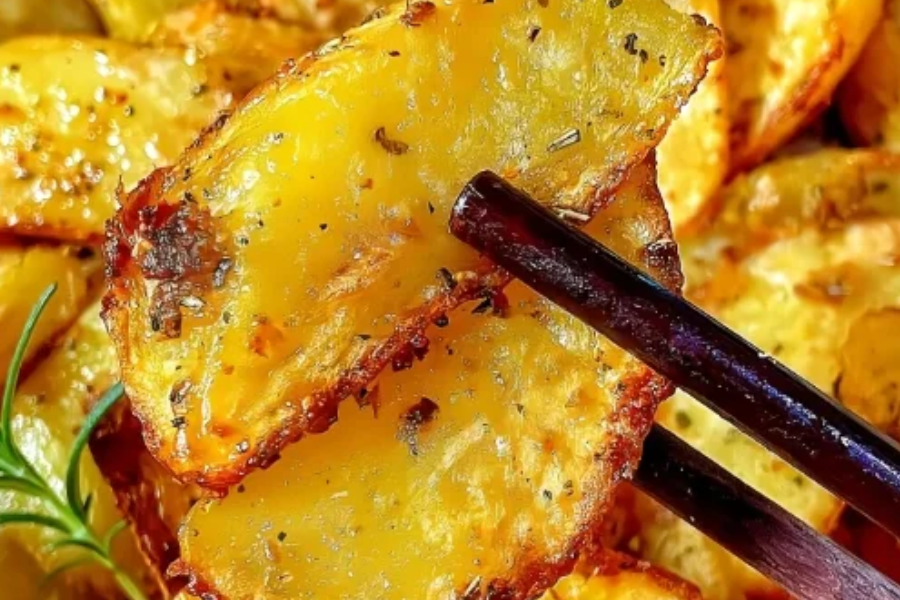
Across traveler experiences, grilled potato is consistently described as a food where texture depends more on heat control than flavor complexity. The same potato can feel completely different depending on whether it is grilled, oven-baked, or heated quickly over charcoal.
This creates an important decision point for travelers.
Faster high-heat methods tend to keep the inside soft and slightly moist
Slower or uneven heating can lead to dryness or a dense outer layer
Charcoal grilling adds a light smoky layer but requires more precise timing
In practice, the simplicity of ingredients makes the cooking process the main variable shaping the final result.
Common Cooking Approaches Travelers Will Encounter
Grilled potato is usually prepared in a few consistent ways depending on location and equipment availability.
Direct charcoal grilling over open heat
High-temperature oven roasting in food stalls or kitchens
Quick heating methods using compact street food setups
Each method creates a different balance between crispness, moisture, and natural potato sweetness.
What Travelers Typically Experience in Xinjiang Street Versions
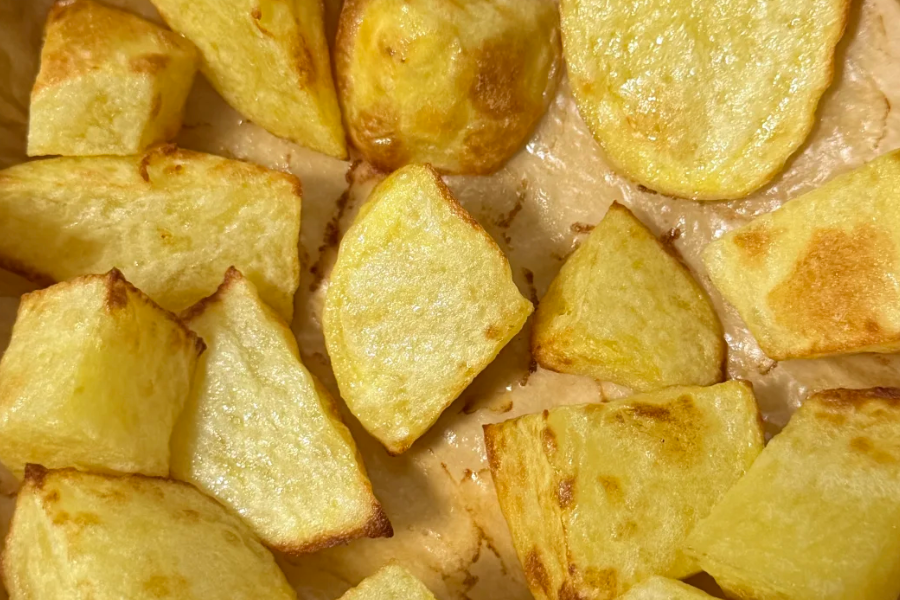
In Xinjiang street food environments, grilled potato is usually sold as a freshly heated snack served immediately after cooking. Travelers often notice that the texture is not uniform across vendors, even when the ingredient is the same.
The most common patterns are:
Soft, slightly sticky interior with a light crust when freshly grilled
More firm texture when heat distribution is uneven
Noticeable natural sweetness when cooking time is well controlled
The key difference is not seasoning intensity but moisture retention during heating.
How to Choose the Right Version Based on Preference
For travelers deciding which version to try, the choice is usually about texture preference rather than flavor variety.
If you prefer a softer bite, faster high-heat preparation methods are generally more consistent. If you prefer a firmer and slightly smoky texture, charcoal-grilled versions tend to offer a stronger surface flavor.
What matters most is understanding how the cooking method shapes the final bite rather than expecting major taste differences.
Practical Tips Before Ordering
Grilled potato is simple, but small details can affect the experience.
Freshly cooked portions usually have better texture consistency
Overly dry surfaces often indicate longer heating time than ideal
Slight oil or butter use can improve smoothness without changing the base flavor
These small signals help identify better-prepared versions without needing deep culinary knowledge.
What to Expect Overall
Grilled potato in Xinjiang is best understood as a texture-driven street food rather than a heavily seasoned dish. The natural sweetness of the potato becomes more noticeable when heat is applied quickly and evenly.
Most variations stay close to the same idea, but the experience changes depending on heat control, timing, and moisture balance.
For travelers, the main value lies in its simplicity and consistency as a quick, filling snack during local food exploration.