What to Expect From Orchard Picking in Xinjiang
Orchard picking in Xinjiang is less like visiting a formal tourist attraction and more like stepping into active agricultural areas during harvest season. Most experiences take place in working farms, vineyards, or roadside orchards outside major cities.
The experience focuses more on freshness, rural atmosphere, and seasonal travel rhythms than entertainment facilities. In many areas, visitors move slowly through vineyards, farmland roads, and village orchards while tasting fruit directly from trees or vines.
This type of travel works best for visitors who enjoy countryside driving routes, food-oriented experiences, and flexible schedules. Travelers expecting organized theme-park-style agritourism may find some smaller orchards surprisingly simple.
Many orchards around Turpan, Yili, Kashgar, Aksu, and Korla operate as family-run farms with limited infrastructure. Facilities can vary significantly depending on harvest timing and location.
Best Time to Visit Orchard Picking Areas in Xinjiang
The best orchard season in Xinjiang usually runs from late summer into early autumn, although some fruit regions begin earlier.
Early summer is better for cherries and apricots. Midsummer typically brings peaches and nectarines, while late summer and early autumn are the strongest periods for grapes, apples, pears, and melons.
Harvest timing changes quickly depending on weather conditions and regional climate differences. Some fruit varieties may only remain at peak quality for a short period.
Morning visits are usually the better choice. Temperatures stay lower, fruit conditions are fresher, and rural roads are generally quieter before midday self-drive traffic increases.
Weekend afternoons during peak harvest season can become crowded, especially near larger agricultural parks or popular roadside orchards.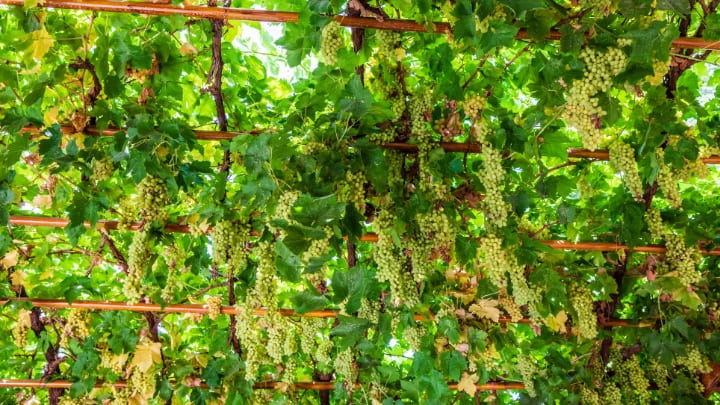
Recommended Itineraries for Orchard Picking in Xinjiang
Classic Route (5–7 Days)
A practical first-time orchard route usually combines Turpan and nearby countryside areas.
Most travelers start from Urumqi, continue toward Turpan vineyards and grape-drying villages, then explore surrounding orchards and agricultural roads before returning north. This route works well because travel distances remain manageable while still covering several fruit-producing regions.
The experience combines vineyard landscapes, roadside produce markets, grape farms, and traditional irrigation areas. It is a better choice for travelers with limited time who still want a slower rural experience alongside classic Xinjiang destinations.
The overall pace is balanced rather than intensive.
Extended Route (10–14 Days)
Longer routes usually expand westward toward Yili, Aksu, or Kashgar.
Yili is especially popular during summer because orchard visits combine well with grassland drives and valley scenery. Kashgar and Aksu routes feel more agricultural and less tourism-oriented, with longer rural roads and more traditional farming environments.
This option is better suited for self-drive travelers, photographers, and visitors interested in seasonal food culture rather than major sightseeing landmarks alone.
Travel times between orchard regions can be longer than expected. Some farms are simple roadside stops, while others require local coordination or flexible timing.
Custom Route Option
Orchard experiences are highly seasonal, so route flexibility matters more than fixed sightseeing schedules.
Many travelers combine orchard stops with vineyard routes in Turpan, countryside villages near Kashgar, or summer driving itineraries through Yili. Fruit quality, harvest timing, and weather conditions often affect which areas are worth visiting during a specific week.
Customized routes can make timing easier, especially for travelers trying to coordinate multiple harvest regions during one Xinjiang trip.
How to Get to and Around Orchard Areas in Xinjiang
Most orchard regions are located outside city centers and require additional transportation planning.
Turpan is accessible by high-speed rail from Urumqi, while Yili, Kashgar, Aksu, and Korla usually involve flights, trains, or long-distance driving depending on the itinerary.
Transportation becomes more complicated once travelers leave major towns. Orchard locations are often spread across farmland roads, vineyards, and village areas where public transportation is limited.
Self-driving gives the most flexibility, especially during harvest season when travelers may want to stop at roadside fruit stalls or smaller farms. However, rural road conditions, language barriers, and changing harvest schedules can make independent planning less predictable.
Private transportation is often the more efficient option for visitors combining multiple orchard regions within a limited schedule.
Where to Stay During Orchard Trips in Xinjiang
Accommodation choices depend heavily on route structure.
Turpan usually works best as a fixed base because many nearby vineyard and orchard areas can be reached as day trips. Staying near the city center also makes evening dining and transportation easier.
Yili routes often require multiple overnight stops because orchard areas, grasslands, and countryside roads are more spread out. Travelers following western Xinjiang routes may prefer flexible stays in smaller towns rather than returning to larger cities each night.
Kashgar and Aksu orchard experiences are usually more rural and work better as part of broader regional itineraries instead of standalone overnight destinations.
Practical Travel Tips
Morning visits usually provide the best balance of comfort, lighting, and fruit conditions.
Travelers should prepare for strong sunlight, dry heat, dusty rural roads, and limited shade in some orchard areas. Water consumption during summer visits is often underestimated.
Useful items include:
Sunscreen, hats, water, wet wipes, comfortable walking shoes, and reusable fruit bags
Travelers purchasing large amounts of fruit during self-drive trips should also consider vehicle storage temperatures and transport time between destinations.
Some orchards require entry fees, guided access, minimum purchases, or seasonal reservations. Availability can change quickly during peak harvest periods.
Is a Guided or Private Orchard Route Worth It
Xinjiang orchard travel looks simple on maps, but seasonal timing creates most of the complexity.
Fruit quality, harvest periods, opening schedules, and transportation conditions can change quickly between regions. Travelers driving independently sometimes arrive too early, too late, or during limited harvest periods.
Public transportation also becomes less practical once routes move deeper into rural farming areas. Smaller orchards may not appear clearly on standard travel platforms, and communication can become difficult in remote villages.
A guided or private route usually works better for travelers trying to combine multiple agricultural regions efficiently. It can reduce long-distance coordination problems while making seasonal timing more predictable.
This becomes especially useful during late summer routes linking Turpan, Yili, Kashgar, or Aksu within the same trip.
Xinjiang orchard picking works best when treated as part of a broader countryside journey rather than a standalone attraction. Planning around harvest timing, transportation efficiency, and regional differences usually creates a smoother and more rewarding experience.