What to Expect From a Yining Border Culture Tour
A border culture tour around Yining is usually experienced as a slower cultural landscape journey focused on everyday life, ethnic diversity, and Central Asian influence rather than traditional sightseeing alone.
The Ili Valley region sits close to Kazakhstan and has long functioned as a trade and migration corridor shaped by Silk Road exchange. As a result, travelers often encounter a mixture of Kazakh culture, Uyghur traditions, Russian-style architecture, Central Asian food culture, and frontier-style urban life within the same route.
Unlike larger eastern Chinese cities where tourism often centers around landmarks, the atmosphere here is usually defined more by neighborhoods, markets, tea houses, village roads, and cultural overlap visible in daily routines. Many visitors describe the region as feeling calmer, softer, and more layered than they initially expected.
The experience generally works best for travelers interested in slow exploration, photography, and observing how geography shapes culture along China’s western frontier.
Best Time for a Yining Border Culture Tour
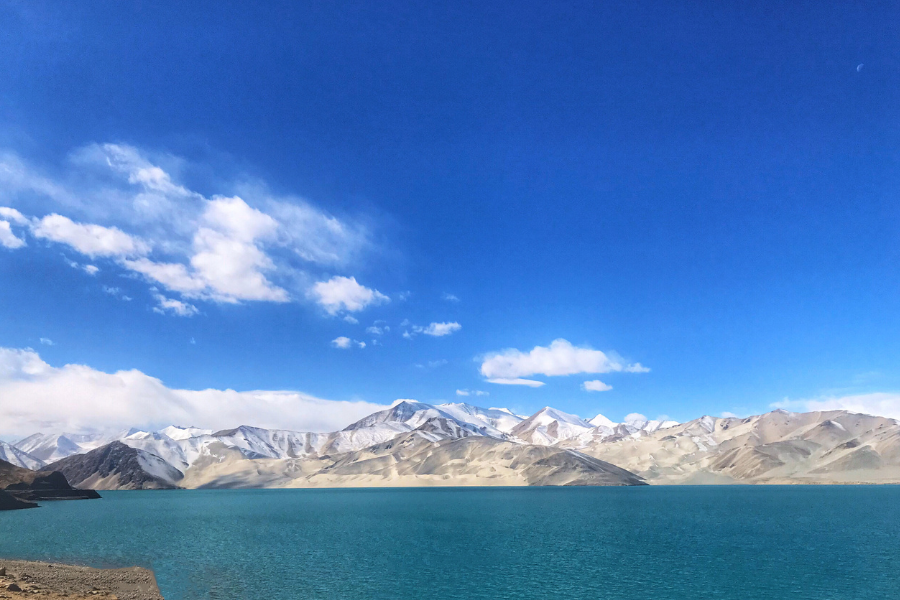
Late spring through early autumn usually provides the most comfortable conditions for border culture routes around Yining.
Summer generally brings greener river valleys, active street life, and longer daylight hours across the Ili region. Evening activity also continues much later than many travelers expect because sunset in northern Xinjiang occurs relatively late during summer months.
Morning conditions are usually better for market visits, photography, and quieter neighborhood exploration. Late afternoon and evening often create a stronger atmosphere once tea houses, outdoor gathering spaces, and local music activity become more active.
Weather in the Ili Valley can change quickly, especially between urban districts and nearby grassland or rural areas. Layered clothing generally improves comfort during longer routes.
Recommended Itineraries for a Yining Border Culture Tour
Classic Route (Full Day)
Most travelers combine Yining city exploration with nearby cultural villages and Ili Valley landscapes.
A typical route includes slower walking through older neighborhoods, local market visits, traditional food stops, and short drives toward Kazakh cultural settlements or rural areas outside the city. The pacing is generally relaxed because many travelers spend substantial time observing architecture, tea houses, and ordinary street activity rather than moving quickly between attractions.
This option works especially well for first-time visitors who want a broader introduction to Ili Valley culture without focusing only on grassland scenery.
Extended Route (1–2 Days)
Longer routes usually create a stronger cultural experience because they allow more flexibility between urban and rural sections of the Ili region.
Many travelers combine Yining cultural districts with grassland roads, Kazakh yurt areas, café routes, or slower evening photography schedules. This approach generally creates a clearer understanding of how urban trade culture and nomadic traditions continue to coexist across the region.
Travelers interested in street photography, food culture, or slower-paced Silk Road exploration often prefer this more flexible structure.
Custom Route Option
Border culture routes vary significantly depending on whether travelers prioritize architecture, markets, village life, food culture, or grassland environments.
Some routes focus heavily on daily local life and slower neighborhood observation, while others emphasize wider Ili Valley landscapes and nomadic culture. Because distances between towns and rural areas are often longer than expected, flexible scheduling usually creates a smoother experience than trying to cover too many locations in a single day.
This becomes especially important for travelers combining urban exploration with rural village visits or evening activities.
How to Get Around During a Yining Border Culture Tour
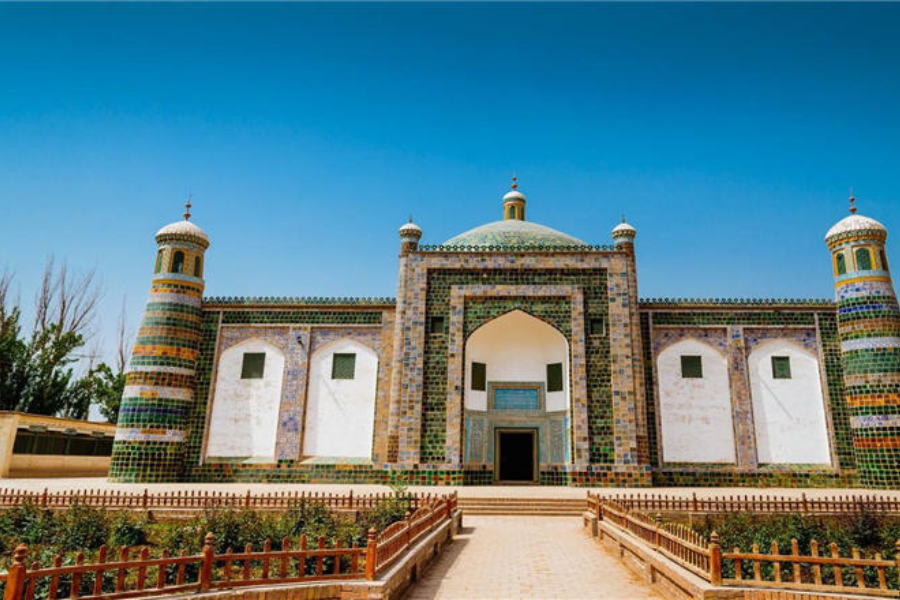
Transportation across the Ili Valley region usually involves a combination of city walking and longer driving segments between towns or cultural areas.
Inside Yining, many cultural districts are best explored slowly on foot because much of the atmosphere comes from residential streets, tea houses, markets, and local daily activity rather than formal attractions. Outside the city, private transportation generally provides the most flexibility for reaching villages, grassland areas, or smaller frontier-style towns.
Travelers should also prepare for limited English signage in some areas, especially in smaller rural settlements or local markets.
Where to Stay for a Yining Border Culture Tour
Most travelers stay in Yining city as a base for broader Ili Valley exploration.
Central districts generally provide the best access to restaurants, local transportation, and slower evening walking routes. Travelers planning to combine border culture tours with grassland experiences sometimes divide their stay between Yining and nearby pasture regions to reduce long driving transfers.
Accommodation near older city districts often creates easier access to markets, tea houses, and photography-oriented walking routes.
Practical Travel Tips
Border culture experiences around Yining are usually more rewarding when approached slowly rather than treated as attraction-focused sightseeing. Many travelers find that ordinary street observation, tea breaks, and informal market wandering become more memorable than checklist-style tourism.
Walking distances and driving times across the Ili Valley are also frequently underestimated. Allowing unstructured time between stops generally improves the experience and reduces fatigue during longer cultural routes.
Cash and mobile payment options are both useful in smaller markets or rural areas. Translation apps, comfortable walking shoes, and lightweight outerwear also improve flexibility during longer exploration days.
Is a Guided or Private Tour Worth It
Independent travelers can explore Yining relatively easily, although understanding the deeper cultural context becomes more difficult without local explanation.
Private routes or guided tours often improve the experience because they help connect the region’s architecture, food culture, trade history, and ethnic diversity into a more understandable narrative. This is especially useful for travelers unfamiliar with Central Asian influences in western China or those combining multiple Ili Valley destinations within limited travel time.
Guided routes also help reduce transportation uncertainty between villages, markets, and rural grassland areas where public transportation can be less predictable.
For many travelers, the highlight of a Yining border culture tour is not a single attraction, but the feeling of moving through a region where languages, architecture, food, and landscapes continuously shift between Chinese inland culture and the wider Central Asian world.