Travelers visiting Xinjiang are often surprised by how visible Russian-style pastries remain across cities such as Urumqi, Yining, and Tacheng. Bakeries in these regions still reflect a mix of Russian, Central Asian, and Soviet-era dessert traditions, especially near northern Xinjiang trade routes and former cross-border communities.
What many visitors call “Russian cake” is not one specific dessert. The term usually refers to a group of layered Eastern European cakes built around cream, butter, condensed milk, sour cream, or honey-based fillings. Compared with lighter Western-style sponge cakes, these pastries feel denser, richer, and more filling, especially after refrigeration.
The most recognizable varieties are usually Medovik honey cake and Napoleon cake. Medovik uses thin honey-flavored layers combined with sour cream filling, while Napoleon-style cakes rely on flaky pastry layers with custard or cream filling. In Xinjiang bakeries, both are commonly adapted to local taste preferences, which often means heavier cream texture and noticeably stronger sweetness.
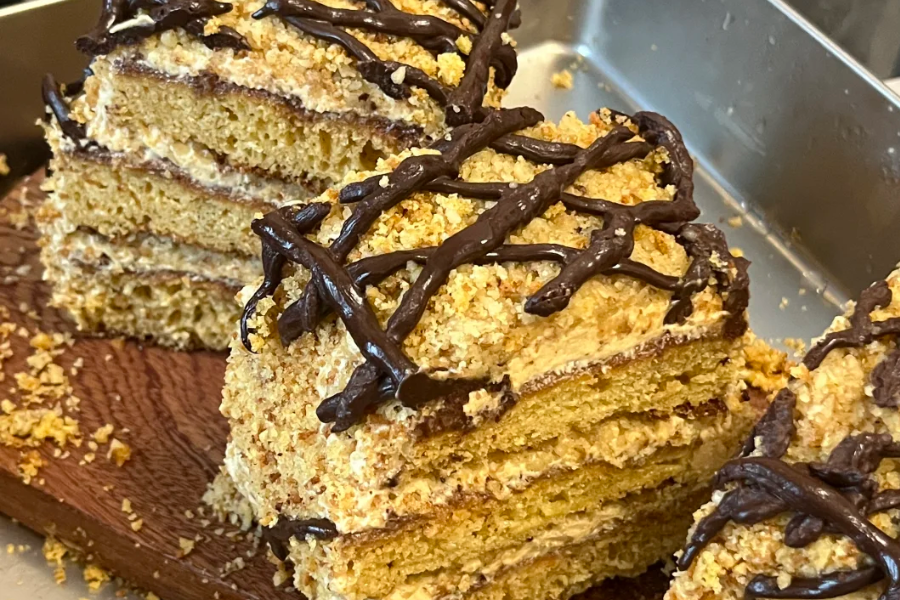
One thing travelers frequently underestimate is the sweetness level. Many Russian-influenced pastries in Xinjiang use condensed milk, buttercream, or honey-based fillings in combination, creating a richer profile than many visitors expect from European desserts. Travelers from regions where desserts are less sweet may find the first few bites heavier than anticipated, especially when trying multiple pastries in one visit.
Texture is usually the main attraction rather than sweetness alone. Most Russian-style cakes focus on layered contrast — soft sponge, dense cream, flaky pastry, crushed nuts, or caramelized honey notes working together in one bite. The result is not intended to feel light. These desserts are designed to feel substantial and satisfying, which is why smaller portions often work better for first-time visitors.
Regional differences inside Xinjiang are also noticeable. Bakeries in Urumqi often combine Soviet-style pastries with local Xinjiang bakery traditions, so menus may include honey biscuits, cream rolls, walnut pastries, and layered cakes together. Yili and Tacheng generally show stronger Russian pastry influence due to historical trade and migration patterns connected to nearby Central Asian regions.
Quality consistency depends heavily on bakery style. Long-established local bakeries often produce more balanced versions with less aggressive sweetness and better cream texture, while newer shops sometimes prioritize visual presentation over flavor balance. Travelers looking for a more traditional experience may prefer older neighborhood bakeries instead of trend-focused dessert cafés.
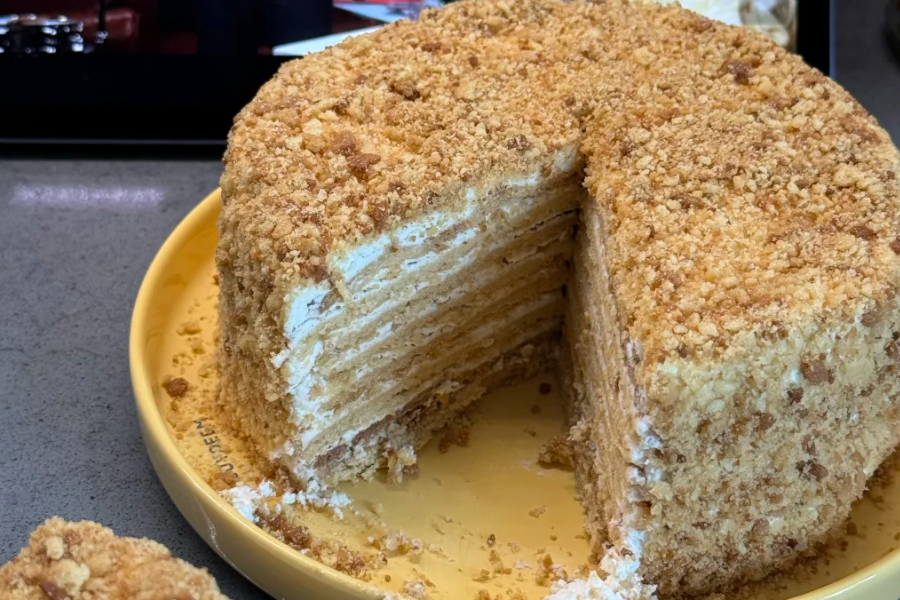
Freshness matters more than many people expect. Russian-style cakes usually require refrigeration for several hours before serving because the cream and cake layers need time to soften and integrate. However, extended storage or long-distance transport can noticeably reduce texture quality. Napoleon-style pastries lose crispness quickly, while cream-heavy cakes may become overly dense after several days.
For most travelers, tasting one or two classic items works better than ordering a large variety at once. Rich dairy-based desserts can create flavor fatigue surprisingly fast, especially after heavy Xinjiang meals that already include lamb, naan, or milk tea. We recommend starting with smaller portions and focusing on traditional signature items rather than seasonal variations.
Travelers who prefer lighter desserts may find some Russian-style pastries overwhelming, particularly modern versions that use excessive cream or condensed milk. In that case, sour cream–based cakes or simpler honey-layer cakes are usually a better choice than heavily decorated cream cakes.
The experience becomes more rewarding when travelers understand that these pastries are closely connected to Xinjiang’s multicultural food history rather than simply functioning as bakery desserts. Russian-style cakes reflect trade routes, migration, Soviet influence, and local adaptation across northern Xinjiang, especially in cities that historically maintained stronger links with Central Asia and Eastern Europe.
For travelers planning a deeper food-focused route through northern Xinjiang, comparing bakery styles between Urumqi, Yili, and Tacheng often provides a clearer understanding of how Russian dessert traditions evolved locally. Hiorient Travel can help organize regional food routes that combine traditional bakeries, local markets, and historical neighborhoods more efficiently, especially for travelers with limited time.