Milk Cookies Food Experience and Travel Snack Notes
In Xinjiang, milk-based snacks are widely associated with rich dairy aromas and simple, practical preparation styles, and Milk Cookies belong to this category as a general type of sweet biscuit that relies on milk, butter, or condensed dairy ingredients rather than a fixed recipe or standardized formula.
For travelers, the experience is less about complexity or storytelling and more about consistent flavor, predictable texture, and convenience during everyday travel situations or short breaks.
What Milk Cookies Actually Are
Milk Cookies are not a single defined product but rather a category of dairy-forward biscuits where the main identity comes from milk-based ingredients such as fresh milk, condensed milk, or milk powder, and depending on the preparation method they may appear richer, lighter, or more delicate in texture.
In practical terms, most versions fall into condensed milk cookies with a deeper creamy flavor, milk powder cookies with a lighter and more airy texture, and homemade versions that combine flour, butter, eggs, and milk in simple ratios for basic household baking, and across all variations the focus remains on mild sweetness and a soft dairy profile rather than strong flavor contrasts.
The key takeaway is that Milk Cookies are designed for easy consumption and stable taste rather than complexity or strong sensory intensity.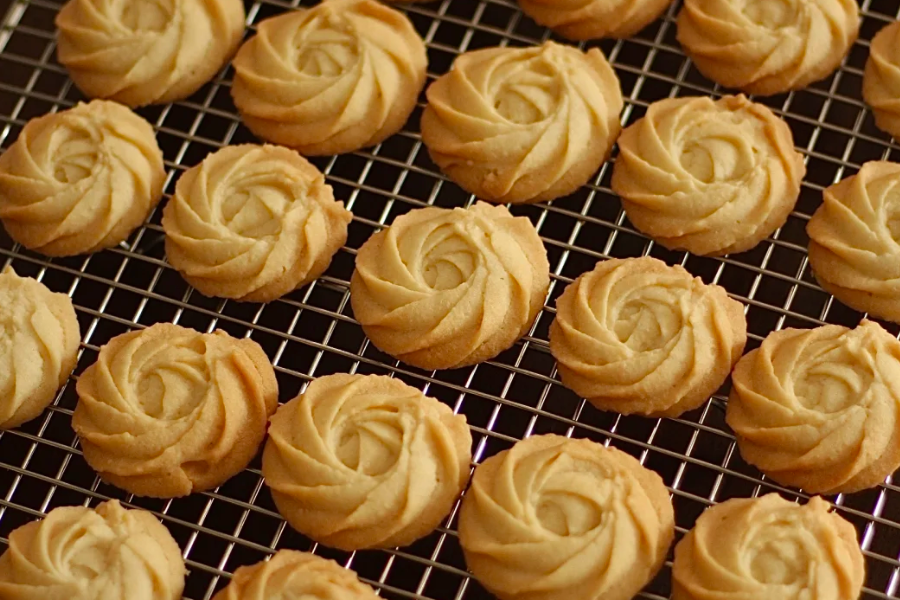
Flavor Profile and First Impression
The first impression usually comes from a clear dairy aroma that appears immediately when the package is opened, often described as a combination of egg fragrance and milk richness that feels gentle rather than sharp or overly sweet, and this aroma tends to set expectations for a soft and balanced flavor experience.
As the cookie is eaten, the texture typically breaks easily and releases a gradually developing sweetness that becomes more noticeable over time instead of appearing all at once, which creates a slow and steady flavor curve that many travelers find easy to continue eating without fatigue.
From a practical travel perspective, this makes the product suitable for repeated snacking because it does not overwhelm the palate and instead maintains a consistent and mild dairy profile.
How Travelers Actually Eat It
In real travel scenarios, Milk Cookies are usually consumed in simple and low-effort ways, most commonly eaten directly as a dry snack during short breaks or paired with milk when a softer and more rounded texture is preferred, especially in environments where travelers want something light but still satisfying.
When combined with cold milk, the texture becomes noticeably smoother and the flavor shifts toward a more creamy profile, which is often preferred in warmer conditions where refreshing contrast matters more than crisp texture.
A practical observation is that direct consumption preserves the original crunch while milk pairing changes both texture and sweetness balance, making it a flexible option depending on situation rather than a fixed eating method.
When and Where It Fits Best
Milk Cookies are typically consumed during relaxed and unstructured moments rather than formal meals, such as during commuting, short work breaks, or quiet evening downtime when travelers want something simple without preparation requirements.
Earlier in the day, it tends to function well as a light snack that does not feel heavy or distracting, while in the evening it often pairs better with tea or milk-based drinks when a slightly more comforting experience is preferred.
The main advantage in real usage is flexibility, since it requires no preparation, no heating, and no additional ingredients, making it suitable for both travel and daily routines.
Portability and Travel Convenience
One of the most practical strengths of Milk Cookies is its packaging format, since individually wrapped portions allow easy storage and handling during travel without requiring containers, refrigeration, or special care conditions, which makes it highly adaptable for different environments such as hotels, trains, or outdoor trips.
This convenience often becomes more important than flavor complexity in real usage, because it reduces friction in daily snack decisions and allows the product to naturally fit into unpredictable travel schedules.
Many travelers only realize later that this kind of simple packaging design is what makes it consistently usable across different situations without planning.
Homemade Experience and Real Preparation Conditions
Milk Cookies can also be prepared at home using basic ingredients such as flour, butter, milk, sugar, and eggs, but although the ingredient list appears simple, the actual process requires attention to consistency, temperature control, and baking time in order to achieve stable results across batches.
In practice, small differences in mixing or heat management can lead to noticeable variations in texture, where some batches may turn out too dry while others become overly soft, which makes the process more technique-sensitive than expected for first-time preparation.
A realistic expectation is that homemade versions are more about controlling process details than following a simple recipe, and results depend heavily on timing and heat stability rather than ingredient complexity.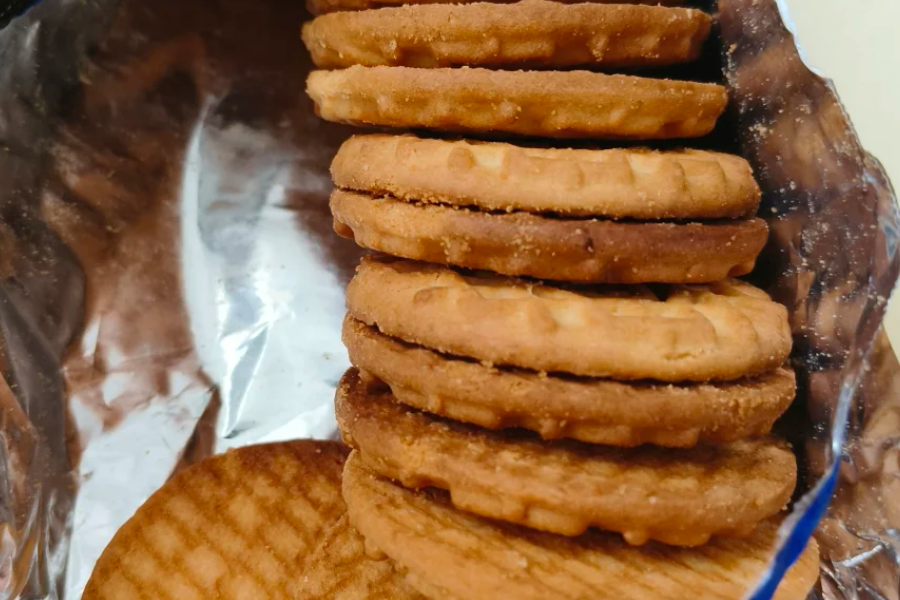
Common Misunderstandings
A frequent misunderstanding is assuming that all milk-based snacks behave the same in texture and sweetness, when in reality Milk Cookies are more sensitive to environmental conditions such as temperature and storage than many travelers initially expect.
Another common issue is focusing only on flavor while ignoring texture behavior, even though texture often defines the overall eating experience more than sweetness level, especially in simpler snacks like this where flavor variation is limited.
In both packaged and homemade versions, temperature and timing play a more important role than most users anticipate.
Practical Tips for Better Experience
From a usage perspective, keeping portions small during travel helps maintain freshness and reduces overconsumption, while storing in stable temperature conditions helps preserve texture consistency across different environments.
For those trying homemade versions, starting with smaller batches is usually more practical because it allows better control over baking time and texture adjustments before scaling up production, and paying attention to heat balance typically improves consistency more than changing ingredients.
The most useful approach is to treat it as a flexible snack rather than a fixed recipe experience, adjusting consumption method and portion size based on context rather than expectation.
Final Travel Insight
Milk Cookies should be understood as a simple dairy-based snack designed for convenience, mild sweetness, and predictable texture rather than complexity or strong culinary identity, and its main value lies in how easily it fits into different travel situations without preparation or decision pressure.
This is a better choice for travelers who prefer light snacks with stable flavor and low effort consumption, and for a more balanced experience it works best when paired with milk or consumed in small portions during flexible moments of the day.