Cold yogurt-based drinks are common across Xinjiang, especially during warmer months when heavy meals and dry weather increase demand for something lighter and easier to consume between destinations. While many international travelers associate milkshakes with American diner culture and ice cream-heavy desserts, the versions commonly found in Xinjiang often lean closer to fruit smoothies blended with yogurt, fermented dairy, or fresh milk rather than purely sweet dessert drinks.
This difference matters because expectations strongly affect the experience. Travelers looking for thick, sugar-heavy milkshakes similar to those served in fast-food chains may find many local versions lighter, tangier, and more filling than expected, especially when yogurt replaces ice cream as the dominant base ingredient.

Milkshakes originally developed in the United States during the late 19th century and gradually evolved from simple milk-based beverages into the ice cream-based drinks now associated with diners, burger restaurants, and retro café culture. In Xinjiang, however, the concept has adapted to local dietary habits, where fermented dairy products already play an important role in everyday food culture.
Many drinks here combine yogurt with fruits such as banana, strawberry, mango, or melon, creating a texture that feels denser than juice but less sweet than a dessert-focused milkshake. The result is often closer to a cold nutritional drink than a treat consumed purely for indulgence.
Travelers usually notice the difference most clearly during summer afternoons, particularly after eating heavier foods such as lamb skewers, pilaf, or hand-pulled noodles, because yogurt-based drinks are commonly chosen as a cooling and more digestively comfortable contrast to oil-heavy meals. In busy tourist areas, these beverages are frequently consumed while walking rather than during seated café breaks, which also changes how they function within the travel experience.
One common misunderstanding is assuming these drinks are always “light” because they contain fruit or yogurt. In practice, many combinations are surprisingly filling due to the combination of dairy protein, fruit fiber, added sugar, and overall serving size. Some travelers underestimate satiety and order large portions shortly before meals, only to find that appetite drops significantly afterward.
This is especially relevant for travelers moving between multiple food stops in the same day, because Xinjiang’s food culture often encourages continuous snacking and shared dishes across long sightseeing periods. A large yogurt milkshake can easily function as a partial meal replacement even when it appears visually similar to a simple beverage.
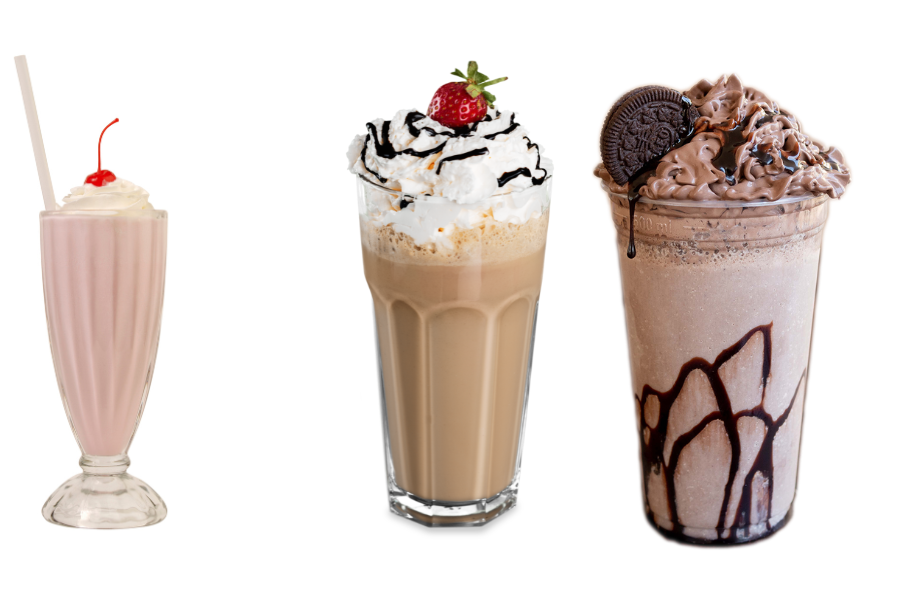
Texture also varies more than many visitors expect. Some versions are thick enough to require a spoon, while others are blended into a thinner consistency designed for faster hydration during hot weather. Sweetness levels are inconsistent between shops, and fruit quality can influence the overall balance more than added syrup or flavoring.
For travelers unfamiliar with fermented dairy products, starting with smaller servings is usually the better choice, particularly when combined with high-fiber fruits. This helps reduce digestive discomfort while allowing time to understand personal tolerance levels, especially during long-distance road trips where meal timing may already be irregular.
The timing of consumption also affects the experience more than many first-time visitors anticipate. Afternoon consumption tends to feel more comfortable because temperatures are higher and appetite is naturally lower, while late-night intake may feel unnecessarily heavy after large evening meals. Earlier daytime consumption also works better for travelers trying to balance hydration, energy intake, and sightseeing efficiency during long outdoor itineraries.
Compared with highly stylized milkshakes found in some international dessert cafés, Xinjiang’s versions are usually more functional than decorative. Travelers often choose them for refreshment, digestive comfort, or convenience rather than visual presentation alone. This makes ingredient selection more important than appearance, particularly for those sensitive to dairy density or sugar intake.
We recommend paying closer attention to portion size and ingredient combinations rather than simply choosing the largest or most colorful option available, because sweetness, thickness, and satiety levels can differ significantly even between nearby shops. Banana and yogurt combinations usually feel heavier and more filling, while melon or strawberry-based blends tend to feel lighter during hotter weather conditions.
For travelers planning long sightseeing days with limited meal breaks, these drinks can work well as temporary energy support between destinations, especially when combined with lighter snacks rather than full meals. This is a better choice if the itinerary already includes heavier regional dishes later in the evening.
Understanding how local milkshake culture differs from Western fast-food expectations helps reduce ordering uncertainty and usually leads to a more balanced food experience overall. In Xinjiang, these drinks are less about dessert culture and more about practical refreshment, digestive comfort, and adapting to long travel days in dry climates.