Russian sausage, often called kolbasa, is one of those foods travelers in Xinjiang notice quickly because it appears everywhere from street shops to hotel breakfast tables. It is not a single product but a broad category of cured and processed meat with different textures, fat levels, and smoking styles.
For travelers, the key point is simple. This is not just snack food. It is a practical protein option designed for convenience, storage, and everyday eating.
What Russian Sausage Actually Means
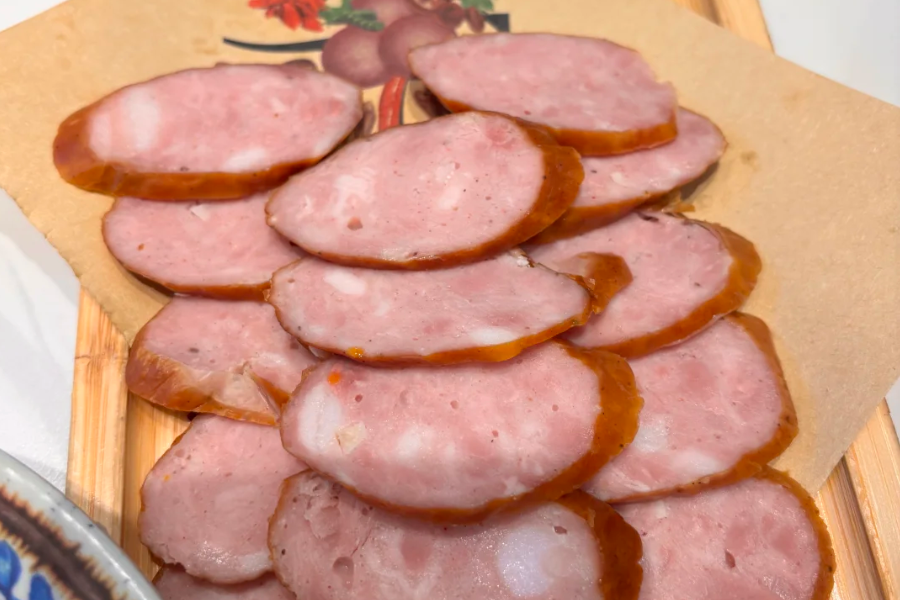
Russian sausage refers to a family of meat products that originated in Russia and the broader Eastern European food tradition. In Xinjiang, it has been adapted into local food culture and is widely sold in ready-to-eat formats.
Most versions fall into three processing styles:
Boiled sausage with a soft texture
Smoked sausage with stronger aroma
Dry or semi-dry sausage with firmer bite
The common base is straightforward. Pork, beef, or mixed meat combined with salt, pepper, garlic, and mild spices. The goal is not complexity but consistency and usability in daily meals.
Main Types Travelers Commonly Try
In real travel settings, visitors usually encounter several distinct styles rather than a single “Russian sausage” product.
Doctor Sausage is the softest and most accessible type. It has a smooth texture and light seasoning, often used in sandwiches or simple breakfasts. It feels closer to ham than traditional sausage.
Smoked sausage is more intense. It carries a clear smoky flavor and firmer texture, often served as a side dish or paired with bread and alcohol.
Cervelat-style sausage is firmer and denser. The texture is closer to a traditional cured meat with a slight grainy bite, making it feel more substantial.
Some regions also offer salami-style or dry-aged versions with stronger fermentation notes. These are usually richer in flavor and less mild than everyday types.
How People Actually Eat It
Russian sausage in Xinjiang is designed for flexibility rather than formal cooking. Most travelers will see it used in simple, practical ways.
It is commonly eaten:
Sliced cold with bread or flatbread
Paired with eggs for breakfast
Added into soups or stews for extra meat flavor
Served on snack plates with drinks
Eaten directly during travel without preparation
The main advantage is convenience. It requires no cooking and works in almost any meal situation.
Taste and Texture Expectations
The overall flavor profile is easy to recognize once you understand the pattern. Most varieties share a few core characteristics.
The base taste is salty with moderate seasoning. Garlic and pepper are common, while smoking adds depth in certain types. The meat texture usually sits between ham and traditional cured sausage, depending on processing style.
Compared with Western European sausages, Russian-style versions are less spice-driven and more focused on meat texture and daily usability. They feel more like a staple food than a gourmet product.
Where Travelers Usually Encounter It
In Xinjiang, Russian sausage is not limited to specialty stores. It appears in everyday food environments.
Most common places include breakfast buffets, local snack shops, supermarket deli sections, and casual restaurants serving mixed regional food. It is especially common in ready-to-eat food displays where travelers can pick items quickly.
This accessibility is one reason it becomes part of the travel food experience without requiring planning.
Storage and Travel Convenience
One practical advantage often underestimated by visitors is storage flexibility. Many versions are vacuum packed or fully cured, which makes them suitable for long-distance travel.
Compared with fresh meat products, these sausages are more stable and easier to carry. For travelers moving between cities, this makes them a reliable food option during transit or long road journeys.
How to Choose Without Overthinking
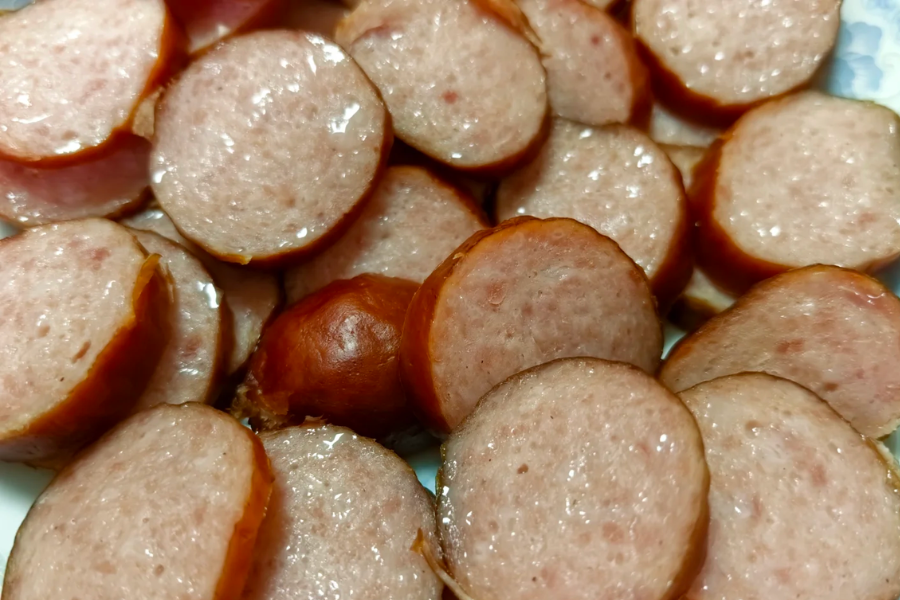
The main challenge is not availability but selection. Different types look similar but behave very differently in taste and texture.
A simple approach works best. Softer varieties are better for first-time tasting. Smoked or cured versions work better if you prefer stronger flavor. Firmer types are more suitable for long travel days when you need something more filling.
Matching the type to the situation is more important than trying to find a “best” version.
Final Practical Takeaway
Russian sausage in Xinjiang is less about culinary complexity and more about function. It fits into travel life because it is simple, portable, and easy to combine with other foods.
For travelers, the real value is not in flavor uniqueness but in convenience and reliability during different parts of a journey. Choosing based on texture and usage scenario will lead to a better overall experience than focusing only on taste expectations.