What to Expect in Altay Forest Hiking
Altay Forest Hiking focuses more on large-scale natural landscapes than heavily developed tourism infrastructure. Most hiking areas are spread across the forests and valleys surrounding Kanas, Hemu, Baihaba, and the Altai Mountains in northern Xinjiang.
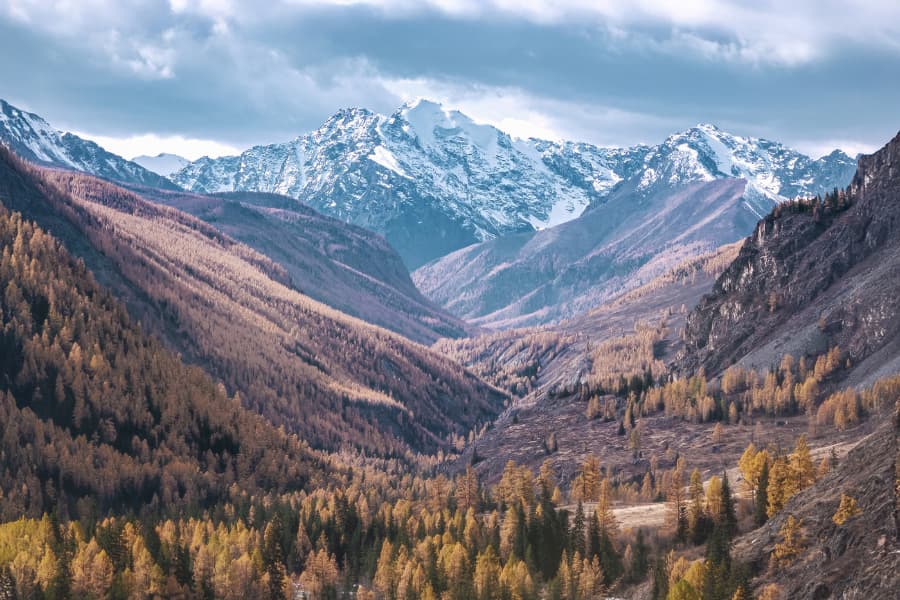
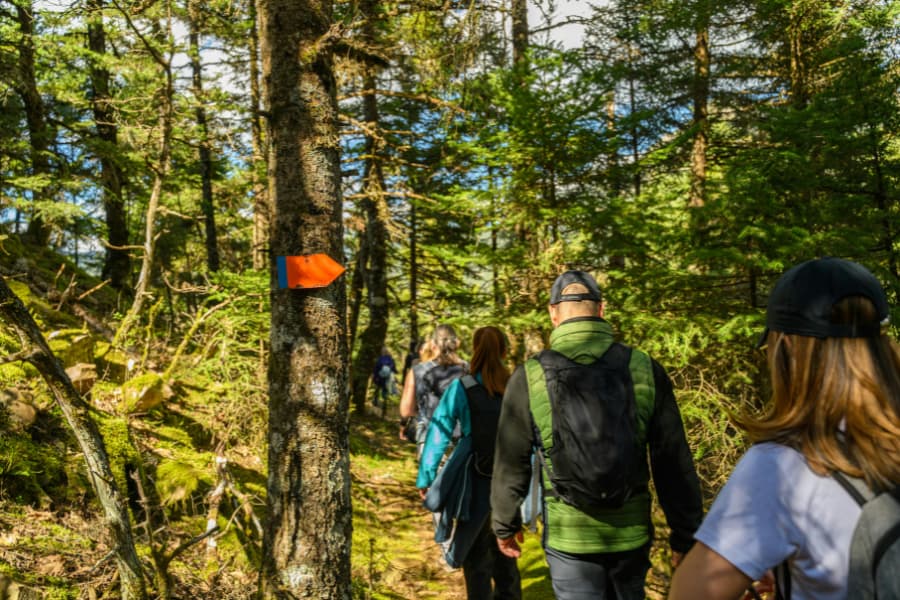
The experience feels different from many mountain destinations in eastern China. Trails often pass through spruce forests, birch valleys, rivers, grasslands, and small ethnic villages with relatively low commercial development.
This region works particularly well for travelers who prefer nature-oriented travel, photography, moderate hiking, and quieter landscapes over fast-paced sightseeing schedules. It’s a better choice if you want long outdoor days without technical mountaineering.
Many visitors underestimate how large and spread out the Altay region actually is. Distances between hiking areas can be longer than expected, and transportation becomes part of the trip planning rather than a simple transfer between attractions.
Weather conditions also change quickly in mountain areas. Rain, wind, and temperature drops are common even during summer and early autumn, especially in forest valleys and higher elevation routes.
Best Time to Visit Altay Forest Hiking
The best overall period for Altay Forest Hiking is from mid-September to early October, when forests across Kanas, Hemu, and Baihaba turn yellow and gold.
Summer from July to August is usually the most stable season for longer hiking routes. Temperatures are comfortable, daylight hours are longer, and most transportation routes remain accessible.
Spring hiking from May to June offers stronger rivers and fewer crowds, although some higher trails may still have snow or muddy conditions.
Winter is generally not suitable for regular hiking. Heavy snow, low temperatures, and limited access make many forest routes impractical without winter expedition preparation.
Autumn attracts the highest number of photographers and domestic travelers, especially around National Day holidays. We recommend avoiding the first week of October if you prefer quieter forest routes and easier accommodation availability.
Recommended Itineraries in Altay Forest Hiking
Classic Route (4–5 Days)
The most balanced first-time route usually connects Kanas, Hemu, and Baihaba through the central forest corridor of northern Altay.
This route covers the region’s most recognizable landscapes without requiring difficult trekking conditions. Travelers typically experience lake scenery, forest boardwalks, river valleys, birch forests, and village-based hiking within a relatively manageable schedule.
The pace works well for travelers who want moderate walking combined with photography and scenic transfers rather than full-day mountain trekking.
A common route structure includes:
Burqin → Kanas → Hemu → Baihaba → Burqin
This option is generally the most efficient for first-time visitors with limited time.
Extended Route (7–10 Days)
A longer route allows travelers to move beyond the main forest villages into deeper mountain and grassland areas across the Altai Mountains.
Many extended itineraries combine:
Forest hiking
River valley walking
Grassland scenery
Remote Kazakh settlements
Lesser-visited mountain roads
This option works better for travelers interested in slower travel, landscape photography, or lower-crowd routes.
The additional time also reduces long daily transfers, which can become tiring in northern Xinjiang due to road distances and mountain driving conditions.
Several travelers combine Altay forest regions with Keketuohai or additional northern Xinjiang routes for a broader mountain-focused itinerary.
Custom Route Option
Altay hiking routes are highly flexible because the region connects forests, lakes, grasslands, and mountain settlements across a large geographic area.
Some travelers focus mainly on short scenic forest walks around Kanas and Hemu. Others combine hiking with horseback riding, camping, photography, or cross-regional Xinjiang routes.
Custom planning becomes particularly useful when balancing:
Travel pace
Seasonal conditions
Photography timing
Transportation efficiency
Fitness level
Accommodation availability
A more flexible route can also help reduce repeated long-distance driving between northern Xinjiang destinations.
How to Get to and Around Altay Forest Hiking
Most travelers enter the region through Altay City, Burqin, or Kanas Airport, depending on seasonal flight availability and overall Xinjiang itinerary structure.
Burqin is commonly used as the main gateway for Kanas, Hemu, and Baihaba hiking areas. Travel times from Burqin to mountain regions are longer than many visitors expect due to winding roads and protected forest terrain.
Public transportation exists in some areas during peak season, but schedules can be limited and less practical for multi-stop hiking routes.
Private vehicles or organized transfers usually provide better flexibility, especially when visiting multiple forest villages or hiking areas within a short timeframe.
Road conditions are generally manageable during summer and autumn, although weather can still affect visibility and driving speed in mountain sections.
Some remote areas may also have limited mobile signal coverage. Offline maps and advance route planning are strongly recommended.
Where to Stay in Altay Forest Hiking
Accommodation choices vary significantly between the main tourism villages and more remote mountain areas.
Kanas works better for travelers prioritizing lake access, shorter scenic walks, and organized tourism infrastructure. Hemu is generally preferred for forest scenery, photography, and slower-paced village environments.
Baihaba offers a quieter atmosphere with lower visitor density, although accommodation choices are more limited compared with Hemu or Kanas.
Travelers following shorter routes often stay:
1 night in Kanas
2 nights in Hemu
1 night in Burqin
Longer itineraries usually benefit from additional nights inside the mountain region to reduce transfer fatigue and allow more flexible hiking schedules.
Accommodation standards can vary widely between hotels, guesthouses, and local wooden lodges. During autumn peak season, advance reservations become important due to limited room supply inside protected areas.
Practical Travel Tips
Weather changes quickly in the Altai Mountains, especially during autumn and early morning hiking hours
Waterproof outerwear and layered clothing are more useful than heavy single-layer winter jackets
Some forest routes have limited food services outside major villages
Early morning usually offers the clearest visibility for photography and valley views
Mobile signal coverage may disappear in remote forest sections
Designated hiking paths should be followed inside ecological protection zones
Autumn temperatures often drop sharply after sunset, even when daytime conditions feel mild
Is a Guided or Private Tour Worth It
Independent travel is possible in the Altay region, but transportation coordination can become complicated once multiple forest villages and hiking areas are combined into one itinerary.
Several routes involve long mountain transfers, limited public schedules, and changing weather conditions that affect travel timing.
This becomes more noticeable for travelers trying to visit Kanas, Hemu, and Baihaba efficiently within a limited number of days.
A private vehicle or guided arrangement often reduces logistical uncertainty, especially during autumn when visitor numbers increase and accommodation availability becomes tighter.
This option can also make the trip more flexible for photography stops, early departures, or slower-paced hiking schedules across northern Xinjiang.
Altay Forest Hiking is less about difficult trekking and more about experiencing large-scale forest landscapes with relatively low development pressure. The experience works best when the route pacing, transportation, and seasonal timing are planned carefully in advance.
For travelers exploring northern Xinjiang for the first time, building the route around realistic transfer times and weather conditions usually leads to a smoother and more efficient trip.