What to Expect in Altay Skiing Experience
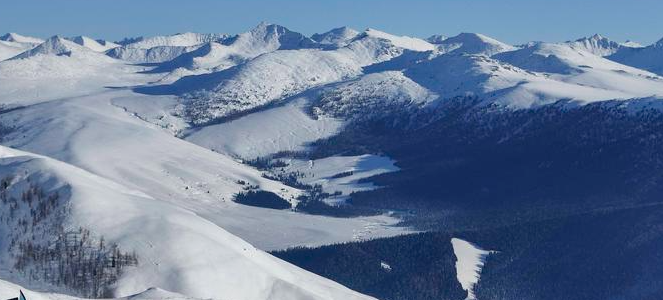
Altay offers a very different ski experience from the large commercial resorts found in eastern China, Japan, or Europe. The region is known more for natural powder terrain, long mountain descents, and low-density winter landscapes than for luxury resort infrastructure.
Most travelers come here for dry powder snow, large mountain terrain, and quieter slopes. The experience feels closer to frontier mountain travel than a standard ski vacation.
This destination works best for travelers who prioritize snow quality, freeride terrain, and winter scenery over nightlife or high-end resort services. It’s especially suitable for intermediate skiers, freeride riders, ski touring travelers, and photographers interested in winter mountain landscapes.
One important thing to understand early is that Altay is spread across a large region. Ski areas are not concentrated in one compact resort zone, and transportation planning affects the overall experience more than many visitors expect.
Best Time to Visit Altay for Skiing
The most reliable ski season usually runs from late November through March. January to early February generally offers the most stable powder conditions.
December and January are typically the coldest months, with temperatures regularly dropping below -20°C in mountain areas. Snow quality is usually strongest during this period, especially for powder skiing and freeride terrain.
February often provides a more balanced experience for many travelers. Snow conditions remain stable, while daylight hours become slightly longer and weather disruptions may become less severe.
Chinese New Year and major winter holidays bring noticeably higher visitor numbers, especially around Jiangjunshan Ski Resort and other accessible ski areas. Weekdays usually feel quieter than weekends during peak season.
Weather conditions can change quickly in exposed mountain terrain. Wind, visibility, and road conditions may affect ski access, particularly in backcountry areas.
Recommended Itineraries in Altay
Classic Route (4–5 Days)
The most practical first-time route usually combines Altay City with Jiangjunshan Ski Resort and one nearby snow area.
This route works well for travelers who want a balanced winter trip without complicated logistics. It combines resort skiing, powder experiences, and time inside the broader Altay mountain environment while keeping transfers relatively manageable.
A typical route looks like this:
Altay City → Jiangjunshan Ski Resort → nearby powder or forest terrain → return to Altay City
Jiangjunshan is usually the easiest starting point because it sits close to the city and offers the most developed infrastructure in the region. Beginners and intermediate skiers generally adapt more easily here before exploring more natural terrain zones.
The overall pace feels moderate rather than extreme. It works well for travelers visiting Xinjiang during winter for the first time.
Extended Route (7–10 Days)
A longer itinerary allows travelers to combine multiple ski regions across the Altay area, including Jikepulin, Keketuohai, and selected backcountry zones.
This route is more suitable for experienced skiers, powder-focused travelers, photographers, or visitors interested in remote winter landscapes and Kazakh cultural environments.
Compared with the classic route, travel distances become longer and logistics become more weather-dependent. Some remote ski areas may require 4WD transport, snowmobile access, or guided mountain transfers.
The advantage is greater terrain variety and lower skier density. Many travelers consider the quieter powder terrain outside the main resorts to be the highlight of the Altay winter experience.
Custom Route Option
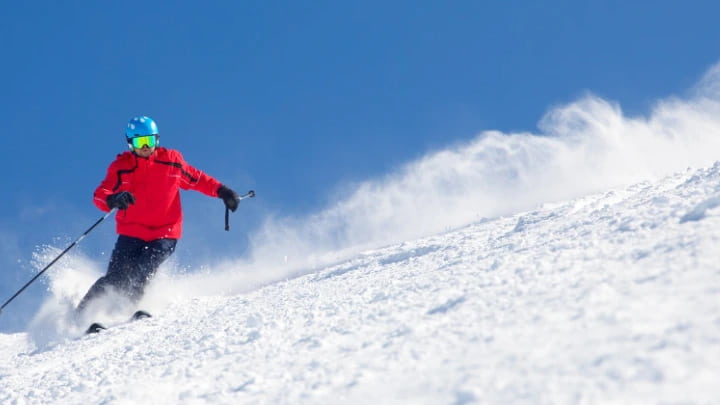
Winter routes in Altay are highly adjustable depending on snow conditions, skiing ability, and transportation preferences.
Some travelers combine Altay with Urumqi or northern Xinjiang winter routes. Others focus entirely on multi-resort powder skiing across the Altay Mountains.
Private route planning often becomes useful because ski areas are spread across large distances, and weather changes can affect transportation timing. This is especially important for travelers coordinating freeride terrain, backcountry access, or border-area permits.
How to Get to and Around Altay
Most travelers arrive through Altay Xuedu Airport. Flights from Urumqi are the fastest option and usually reduce overall winter travel time significantly.
Long-distance overland travel is possible, but winter road conditions can slow transfers considerably. Snowfall, mountain roads, and strong winds may affect driving speeds across the region.
Transportation inside Altay is one of the main planning challenges. Resort areas, mountain zones, and backcountry access points are often farther apart than expected.
Public transportation works reasonably well between the city and Jiangjunshan Ski Resort. However, more remote ski terrain often requires:
Private vehicles
Guided transfers
Shuttle coordination
Snowmobile access in deeper mountain areas
Independent winter travel becomes more difficult once moving beyond the main resort zones.
Foreign travelers should also confirm border permit requirements before entering certain mountain or frontier areas.
Where to Stay in Altay
For most travelers, staying in Altay City is the most efficient option during shorter ski trips.
The city provides easier restaurant access, transportation coordination, rental services, and quick connections to Jiangjunshan Ski Resort. This setup works especially well for first-time visitors or mixed ski-and-sightseeing itineraries.
Travelers focusing on deeper powder experiences sometimes stay closer to remote ski terrain or mountain lodges. Accommodation in these areas is usually simpler and more experience-oriented rather than resort-focused.
Some backcountry-style stays may include:
Yurt camps
Shared mountain lodges
Traditional Kazakh meals
Sauna or banya facilities
These environments feel more isolated and nature-focused, with limited nightlife and fewer urban conveniences.
Practical Travel Tips
Winter preparation matters more in Altay than in many standard ski destinations.
Temperatures regularly drop below -20°C, especially during January mornings and in exposed mountain terrain. Wind protection and layered winter equipment are essential.
Travelers planning backcountry skiing or freeride routes should prepare for stronger physical demands than expected. Deep powder movement, long descents, and consecutive cold-weather ski days can become exhausting without proper conditioning.
Mobile signal coverage may also become weaker in remote mountain areas.
For smoother travel planning, many visitors reserve transportation, ski equipment, and mountain accommodation before arriving in Altay during peak season.
Is a Guided or Private Ski Tour Worth It
For standard resort skiing around Jiangjunshan, independent travel is usually manageable.
However, the experience changes significantly once travelers begin exploring multiple ski zones or remote powder terrain across the Altay region.
The main challenge is not skiing itself — it is winter logistics. Long mountain transfers, changing road conditions, permit coordination, and weather timing can quickly affect the schedule.
A guided or private ski plan often helps reduce unnecessary transfer time and improves access to better snow conditions. This becomes especially useful for:
Multi-resort itineraries
Backcountry skiing
Freeride terrain
Photography-focused winter trips
Travelers unfamiliar with Xinjiang winter conditions
A more organized route also makes it easier to adapt when mountain weather changes suddenly.
Altay is less about resort luxury and more about snow quality, mountain scale, and winter atmosphere. Travelers who plan carefully usually experience the region very differently from those treating it like a conventional ski vacation.
If you're considering a winter Xinjiang itinerary, planning transportation, route pacing, and ski style early usually leads to a smoother and more rewarding experience.