What to Expect in Altay Wilderness Camping
Altay Wilderness Camping is less about recreational camping and more about extended outdoor travel inside remote mountain and grassland environments in northern Xinjiang.
The experience usually combines alpine trekking, tent camping, river crossings, forest travel, and long unsupported sections across the Altai Mountains, Kanas Nature Reserve, Hemu Village, and Baihaba areas. Compared with developed camping destinations, infrastructure here remains limited, and route conditions can change quickly with weather.
This type of trip works best for travelers who already have some outdoor experience and prefer isolation, long-form wilderness travel, and expedition-style landscapes over comfort-focused tourism.
Many travelers remember the environmental exposure more than individual viewpoints. Cold nights, wet ground, long hiking days, and complete silence in remote valleys tend to become the defining parts of the experience.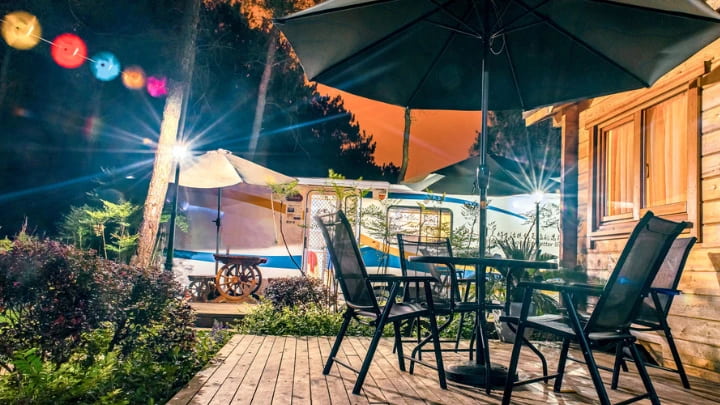
Best Time to Visit Altay Wilderness Camping
The most reliable period for wilderness camping in Altay is from June to early October.
June through August usually offers the most stable access conditions, greener grasslands, and more comfortable daytime temperatures. River levels can still rise after rain or glacier melt, especially in mountain valleys.
September and early October are generally the preferred months for photography and multi-day trekking. Birch forests around Hemu and Kanas turn yellow, visibility often improves, and crowd levels begin to decrease outside major holiday periods.
Winter camping from November through March is possible, but conditions become significantly more demanding. Snow cover, subzero temperatures, and limited accessibility make it more suitable for experienced winter expedition travelers.
Weather changes rapidly in the Altay region. Even during summer, nighttime temperatures at elevation can approach freezing after sunset.
Recommended Itineraries in Altay Wilderness Camping
Classic Route (5 Days)
A common first-time route combines Burqin, Kanas, Hemu Village, and Baihaba through a gradual mountain and forest transition.
This route usually balances trekking, lakeside camping, forest camps, and short village resupply opportunities without requiring fully unsupported expedition logistics. It works well for travelers who want wilderness immersion while still maintaining occasional access to transport and accommodation support.
The overall pace is moderate, with manageable hiking distances and more predictable navigation conditions than deeper backcountry routes.
Extended Route (8–12 Days)
Longer wilderness routes often expand into glacier valleys, remote grassland corridors, and less-developed sections of the Altai Mountains.
Some multi-day itineraries involve off-trail navigation, river crossings, horseback-supported logistics, or alpine tent camps far from villages and paved roads. Terrain conditions may include wetlands, dense forest, loose rock, steep passes, and cold-water exposure.
This option is usually better for experienced trekkers, expedition photographers, and travelers already familiar with remote outdoor environments.
Custom Route Option
Altay wilderness routes are highly adjustable depending on weather, experience level, and transport availability.
Some travelers combine Kanas and Hemu with shorter trekking sections and village-edge camping. Others extend westward toward remote valleys near Baihaba or integrate longer Xinjiang overland itineraries with hiking and packrafting sections.
Custom planning becomes particularly useful when coordinating food supply points, horse support, weather windows, or transport timing across remote regions with limited infrastructure.
How to Get to and Around Altay Wilderness Camping
Most travelers enter the region through Altay City, Burqin, or Kanas Airport depending on the route structure.
Burqin is usually the main transfer hub for Kanas, Hemu, and Baihaba. From there, transportation times become longer due to mountain roads, park entry systems, and limited public schedules.
Public transportation exists between major tourist areas during peak season, but wilderness access becomes much more complicated outside established routes. Many remote camping areas require additional trekking, off-road transport, horseback support, or self-supported navigation.
A private vehicle or organized outdoor team generally makes route coordination more efficient, especially for multi-day wilderness trips with camping equipment.
Where to Stay in Altay Wilderness Camping
Accommodation choices usually depend on how remote the route becomes.
Kanas and Hemu have the widest range of guesthouses, cabins, and village-edge campsites. These areas work well for travelers combining short trekking sections with easier logistics and regular food access.
Baihaba tends to feel quieter and less developed, with fewer accommodation choices but stronger isolation and border-region scenery.
On longer wilderness routes, overnight stays may include alpine camps, lakeside tent sites, primitive forest camps, or seasonal nomadic camps with limited facilities.
Comfort levels depend heavily on weather, campsite exposure, and equipment quality rather than formal infrastructure.
Practical Travel Tips
Weather exposure is one of the main challenges in Altay wilderness areas. Waterproof outer layers, warm sleeping systems, and dry storage become essential even during summer.
Mobile signal coverage becomes weak or nonexistent in many valleys and forest sections. Offline navigation tools and backup batteries usually improve safety significantly.
Water purification is important on longer routes. Glacier-fed rivers and streams may appear clean but still require filtration or treatment.
Fire safety matters in dry forest zones, especially during windy conditions. Some ground vegetation can continue smoldering underground after visible flames disappear.
Travelers without prior wilderness experience may prefer village-edge camping or organized trekking routes before attempting deeper backcountry expeditions.
Is a Guided or Private Tour Worth It
Independent camping is possible in parts of Altay, but route complexity increases quickly outside developed tourist corridors.
Many wilderness areas involve long unsupported sections, changing weather, unclear navigation, and difficult evacuation conditions. Transportation coordination can also become complicated when combining trekking, camping permits, food supply planning, and remote pickup locations.
A guided or private wilderness plan often reduces uncertainty, especially for travelers unfamiliar with Xinjiang mountain environments. Local coordination can make timing, safety management, and route efficiency more reliable while allowing more flexibility during changing weather conditions.
For travelers planning multi-day trekking or expedition-style camping in the Altay region, earlier route preparation usually improves both safety and overall experience quality. Hiorient Travel can help organize customized wilderness routes based on hiking difficulty, seasonal conditions, and travel style preferences.