What to Expect in Altay Snowfield Photography Areas
Altay winter photography is less about visiting one famous viewpoint and more about moving through a large snow-covered landscape shaped by silence, weather, and light conditions.
The experience combines frozen forests, isolated wooden villages, snowfields, horses, smoke rising from cabins, and low winter sunlight across the Altai Mountains region. Compared with ordinary winter sightseeing, photography travel here moves much slower and depends heavily on weather timing and road conditions.
This route works best for travelers who enjoy documentary-style landscape photography, winter atmosphere, and long outdoor shooting sessions in cold environments. Travelers expecting convenient transportation or fast-paced sightseeing may find the conditions more physically demanding than expected.
Most photography routes focus on areas around Kanas National Park, Hemu Village, Baihaba Village, and the Altai Mountains region surrounding Altay Prefecture.
Best Time to Visit Altay Snowfield Photography Areas
The most stable winter photography season usually runs from mid-November to late February.
Late November and early December often provide cleaner snow surfaces and stronger color contrast between forests, rivers, and mountain slopes. December through January is generally the most reliable period for deep snow coverage and frozen landscape conditions.
January and February tend to produce stronger frost formations, blue-hour lighting, frozen fog, and colder atmospheric tones. This period usually works better for photographers focused on minimalist winter compositions and cinematic lighting conditions.
Morning sessions are usually more productive than midday shooting. Fresh snow remains undisturbed, tourist activity is lower, and low-angle sunlight creates softer contrast across frozen forests and valleys.
Extreme cold becomes a serious factor during deeper winter periods. Temperatures can fall below -30°C in some mountain villages before sunrise, especially around Hemu and Baihaba. 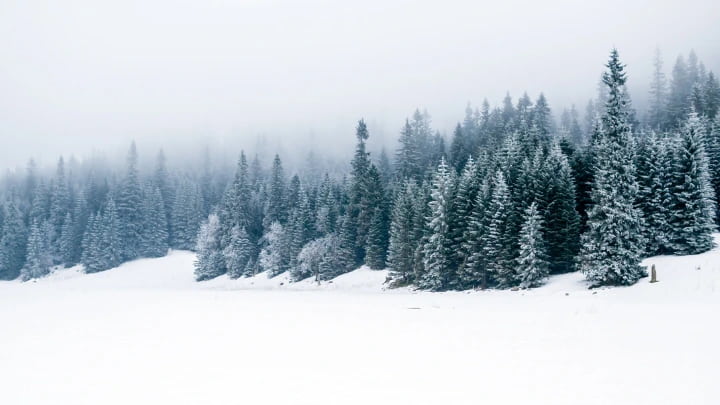
Recommended Itineraries in Altay Snowfield Photography Areas
Classic Route (5 Days)
The most common photography route follows Altay City → Kanas → Hemu → Baihaba → Altay City.
This route covers the main winter photography environments including frozen lakes, spruce forests, wooden villages, snowfields, and mountain valleys. It works well for first-time winter visitors who want balanced access to both landscapes and village photography.
The pace is relatively compact because winter daylight hours are shorter and mountain transportation moves slowly during snowy conditions.
Extended Route (7–10 Days)
A longer route usually adds Koktokay, river valleys, remote grassland areas, or extra weather buffer days around Hemu and Kanas.
This option works better for photographers focused on sunrise timing, astrophotography, snowstorm conditions, or documentary-style winter travel. Additional days also improve flexibility when visibility changes suddenly due to snowfall or mountain fog.
Longer stays generally produce stronger photography opportunities because Altay winter landscapes depend heavily on timing, weather windows, and changing light conditions rather than fixed sightseeing schedules.
Custom Route Option
Winter photography routes across Altay can be adjusted based on snow conditions, photography priorities, and transportation preferences.
Some travelers focus mainly on village atmosphere and forest photography around Hemu and Baihaba. Others prioritize frozen lakes, open snowfields, horse photography, or night sky shooting in more remote areas.
Custom planning becomes especially useful during winter because sunrise departure timing, accommodation placement, and road accessibility directly affect photography efficiency.
How to Get to and Around Altay Snowfield Photography Areas
Most travelers first reach Altay by flying from Urumqi to Altay City.
From Altay City, winter photography routes continue toward Kanas, Hemu, and Baihaba through mountain roads that may become slower or partially restricted after heavy snowfall. Transportation times are often longer than map estimates during winter conditions.
Public transportation exists for some areas, but winter schedules are limited and less practical for sunrise or sunset photography sessions. Many photographers eventually rely on private vehicles or winter drivers familiar with mountain road conditions.
Four-wheel-drive vehicles are usually more stable during deep snow periods, especially on routes involving early morning departures before road clearing operations begin.
Where to Stay in Altay Snowfield Photography Areas
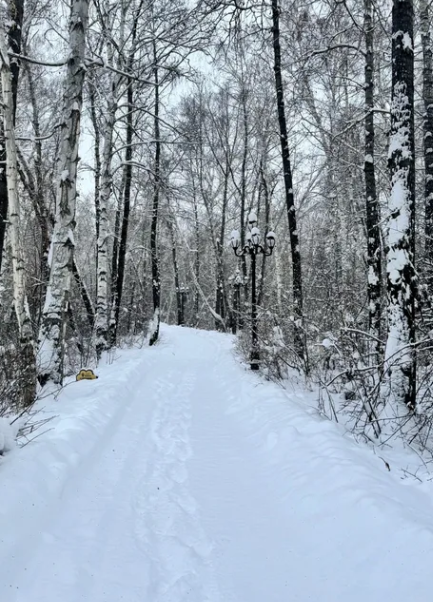
Accommodation planning affects photography efficiency more than many travelers expect.
Staying inside Hemu or near Kanas reduces pre-sunrise travel time and allows easier access to morning frost conditions before tourist movement increases. Village-based accommodation also improves flexibility during changing weather conditions.
Altay City works better as a transit base before entering mountain regions, while longer photography itineraries usually benefit from splitting overnight stays between Hemu, Kanas, and nearby winter villages.
Winter accommodation conditions are generally simpler than major Chinese tourist cities. Heating is usually reliable, but early booking becomes important during peak snow season and holiday periods.
Practical Travel Tips
Layered winter clothing is essential for long outdoor photography sessions
Battery performance drops quickly below -20°C, spare batteries should stay inside inner clothing layers
Waterproof boots and face protection become important during sunrise and windy snowfield conditions
Lens condensation often happens when moving between heated rooms and outdoor environments
Winter road travel usually takes longer than expected, especially after snowfall
Flexible schedules generally produce better photography opportunities than tightly packed itineraries
Is a Guided or Private Tour Worth It
Winter photography travel across Altay is usually more complex than ordinary sightseeing routes.
Photography timing depends on sunrise access, snow conditions, weather changes, and transportation coordination between remote villages and mountain roads. Public transportation often doesn't align well with early morning or blue-hour shooting schedules.
Independent travel is possible, but repeated winter transfers, frozen road conditions, and limited daylight can reduce shooting efficiency significantly over consecutive days.
A private winter photography route generally makes the experience more stable and flexible, especially for travelers carrying camera equipment or planning multiple sunrise sessions across different locations. It also becomes easier to adjust plans around snowfall, visibility conditions, and changing weather windows without losing entire shooting days.
Altay snowfield photography works best when the schedule remains slow, flexible, and weather-aware. Travelers who leave extra time for changing light and winter conditions usually return with stronger results than those trying to move too quickly through the region.