What to Expect in Altay Off-road Adventure
Altay Off-road Adventure is less about visiting a single attraction and more about moving through remote mountain landscapes across northern Xinjiang.
The region combines taiga forests, alpine lakes, grasslands, borderland valleys, and high mountain roads within relatively short geographic distances. Conditions can change quickly, especially outside main tourism corridors near Kanas Lake and Hemu Village.
This experience is better suited for travelers who enjoy long-distance driving, remote scenery, photography, and expedition-style travel rather than comfort-focused sightseeing.
Many travelers underestimate how physically demanding the journey can become over multiple days. Road vibration, changing weather, long transfer times, and limited infrastructure are all part of the experience.
The journey itself is often the highlight.
Several routes spend more time crossing mountain terrain, river valleys, and remote forest roads than stopping at formal scenic areas. Travelers who expect polished tourism infrastructure may find certain sections more rugged than expected.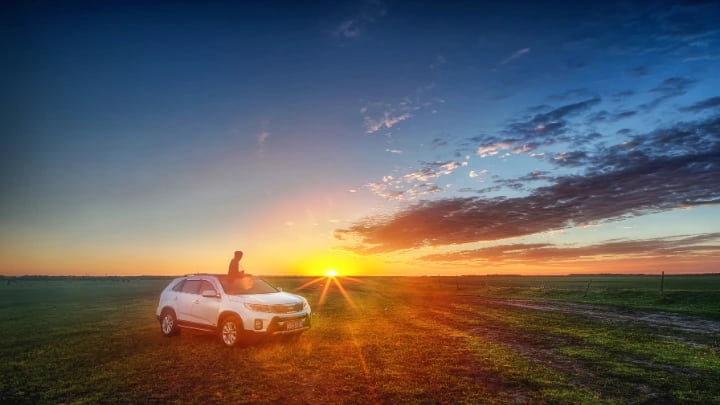
Best Time to Visit Altay Off-road Adventure
The best overall period is usually from June to early October.
Summer offers the most stable road conditions and the widest route accessibility. Forests and grasslands remain fully green, while river crossings and mountain roads are generally easier to manage.
Autumn is often preferred for photography trips. From mid-September to early October, large sections of the Altai Mountains turn gold, especially around Hemu Village, Baihaba, and forest valleys near Kanas Lake.
Spring conditions can be visually impressive, but weather becomes less predictable. Snowmelt may create muddy roads, unstable river crossings, and difficult mountain sections.
Winter routes are more specialized.
Snow driving conditions can become extreme in remote areas, and some mountain roads partially close depending on weather and snow depth. Winter travel is usually better for experienced off-road teams rather than first-time visitors.
Recommended Itineraries in Altay Off-road Adventure
Classic Route (5–7 Days)
The most common route begins in Altay City or Burqin and continues toward Kanas Lake, Hemu Village, and Baihaba.
This route combines forest roads, mountain valleys, river crossings, and grassland scenery without requiring highly technical off-road driving. Most sections mix paved roads with gravel or uneven mountain terrain.
It works well for first-time visitors who want a balance between accessibility and remote scenery.
The overall pace is moderate, although driving days can still become long due to mountain conditions and slow road sections.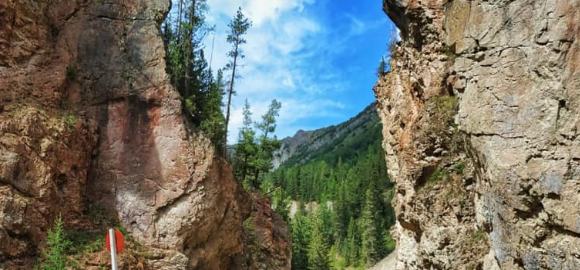
Extended Route (8–12 Days)
Longer routes usually extend deeper into the Altai Mountains or connect with remote borderland corridors and G219 mountain sections.
These itineraries often include:
Remote valleys
Higher mountain passes
Less-developed overland routes
Camping sections
Longer off-road driving segments
This option is better for photography teams, overland travelers, or travelers specifically interested in expedition-style travel rather than standard sightseeing.
Driving conditions become less predictable as routes move farther away from major tourism areas.
Custom Route Option
Altay routes are highly flexible because road conditions, weather windows, and seasonal access change frequently.
Many travelers combine Altay with:
Ili grassland routes
Duku Highway itineraries
Central Xinjiang overland loops
Kazakhstan borderland regions
Custom planning becomes especially useful when balancing photography timing, camping preferences, driving difficulty, and available travel days.
A flexible route structure also helps reduce risks caused by weather delays or temporary mountain road closures.
How to Get to and Around Altay Off-road Adventure
Most travelers enter the region through Altay City, Burqin, or Kanas Airport depending on the route structure.
Flights from Urumqi are the fastest option for travelers with limited time. Self-driving from Urumqi is possible, but long-distance transfers can consume multiple days before reaching major mountain sections.
Transportation inside the region is the main challenge.
Distances between destinations are often much longer than expected because mountain roads reduce driving speed significantly. A route that appears short on a map may still require most of the day due to terrain and road conditions.
Public transportation works for major tourist areas during peak season, but it becomes less practical for remote routes.
Many off-road sections involve:
Gravel roads
Mud after rain
River crossings
Narrow mountain roads
Areas with weak mobile signal
A private 4WD vehicle is usually the more efficient option for travelers planning deeper mountain routes.
Experienced local drivers also help reduce uncertainty in areas where weather and terrain conditions shift rapidly.
Where to Stay in Altay Off-road Adventure
Accommodation quality varies considerably across the region.
Kanas Lake and Hemu Village offer the widest range of guesthouses, boutique lodges, and seasonal hotels. These areas are more suitable for travelers prioritizing convenience and easier logistics.
Remote mountain sections rely more heavily on:
Yurt camps
Rural homestays
Roadside lodges
Campsites
Facilities may remain basic in certain areas. Stable Wi-Fi, hot showers, and reliable electricity are not always guaranteed, especially on extended expedition routes.
Travelers sensitive to comfort fatigue may prefer adding recovery nights in Burqin or Altay City between longer off-road sections.
Practical Travel Tips
Road conditions can change within a single day due to rain, snow, or river levels. Flexible timing is important, especially during spring and autumn.
Altitude and road fatigue are commonly underestimated. Even passengers may feel physically tired after multiple days on rough mountain terrain.
Early departures usually improve both visibility and schedule flexibility. Morning lighting conditions are also better for photography across forest valleys and alpine roads.
Warm clothing remains necessary even during summer because temperatures drop quickly at night in mountain areas.
Offline maps, extra power banks, motion sickness medication, and additional water supplies are strongly recommended on remote routes.
Is a Guided or Private Tour Worth It
For standard sightseeing around Kanas Lake and Hemu Village, independent travel is relatively manageable during peak season.
Remote Altay off-road routes are different.
Road conditions, fuel planning, weather timing, mountain driving, and permit coordination can become difficult without regional experience. Some sections also involve limited repair access and unstable communication signals.
A structured off-road plan usually improves both efficiency and safety.
This becomes especially important for travelers attempting:
Multi-day mountain crossings
Remote photography routes
Camping itineraries
Borderland roads
High-altitude off-road sections
A private vehicle with an experienced local driver can reduce driving fatigue, improve route flexibility, and create more buffer time for weather-related delays.
For many travelers, that tradeoff becomes more valuable than maximizing daily driving distance.
Altay Off-road Adventure works best when the pace remains realistic and adaptable. The experience depends less on checking off attractions and more on moving steadily through remote landscapes where road conditions, weather, and scenery constantly change.
Planning extra time usually leads to a smoother and more rewarding route across the Altai Mountains.